It’s easy to assume that water quality is fine when the water coming from the faucet looks clear. Most people do. We fill a glass, make coffee, cook dinner, and get on with the day without giving much thought to what might be dissolved in that water.
But some water-quality concerns can’t be seen, smelled, or tasted. Others show up as stains, odors, mineral deposits, or changes in how water behaves around the house. And when something does seem wrong, buying a filter immediately isn’t always the smartest first move.
The better starting point is information.
A proper water analysis can tell you what you’re dealing with and, just as importantly, what you don’t need to worry about. That makes it easier to choose treatment equipment without turning your utility room into a collection of filters that seemed like a good idea at the time.
Begin With What You Actually Know
If you’re noticing an unusual taste or odor, start by describing the problem carefully.
Does it happen at every faucet? Only with hot water? Is it worse after the water sits overnight? Are there visible stains on sinks or fixtures? Has the problem appeared suddenly or gradually?
These details may provide useful clues, but they aren’t a substitute for testing.
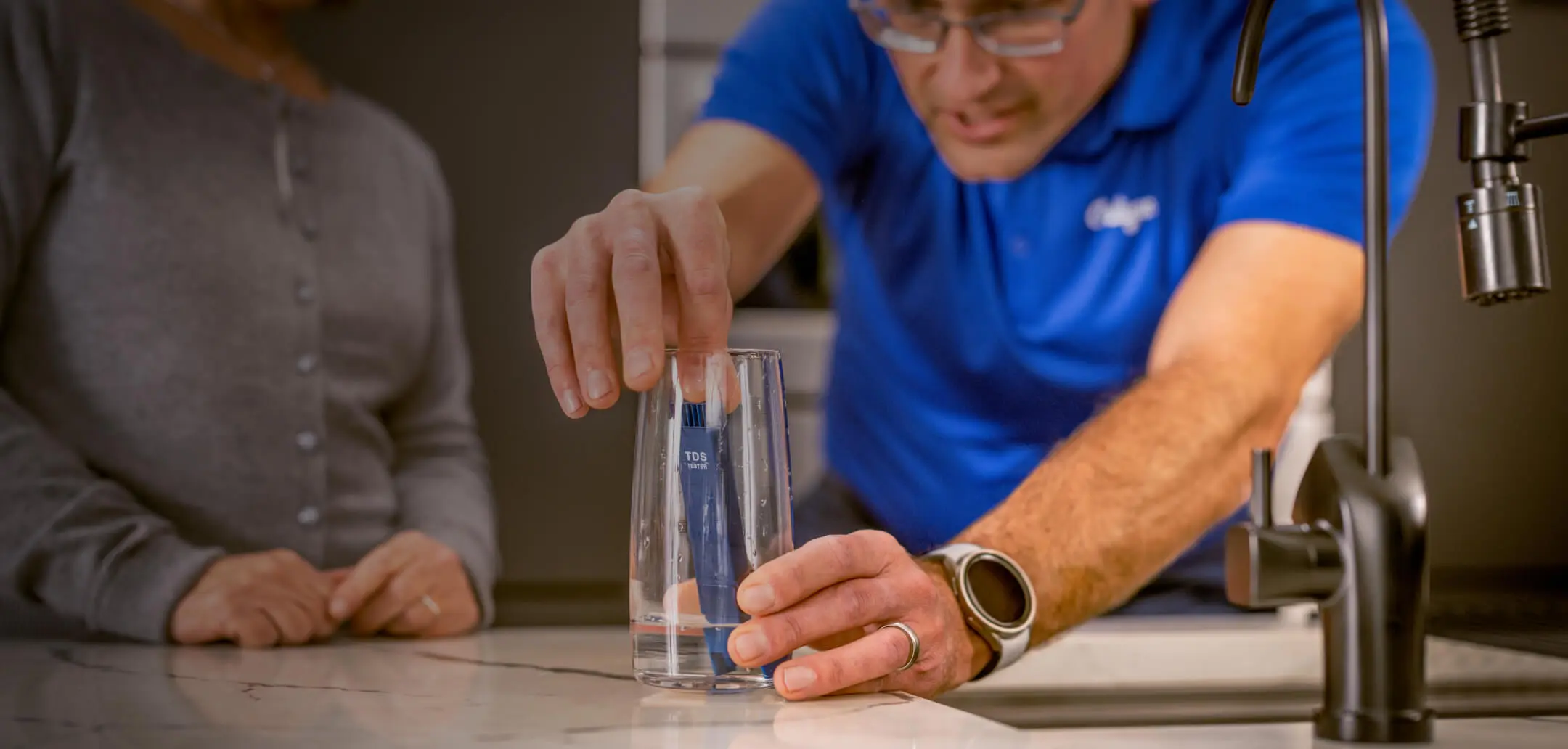
For homeowners who want a closer look at their water, a free in-home water analysis may be a convenient starting point. An assessment can help identify characteristics that may influence treatment decisions and give you an opportunity to discuss what you’re experiencing.
The important part is understanding what the analysis actually measures. A good conversation should leave you with useful information, not simply a recommendation for the most expensive equipment available.
Why Testing Matters More Than Guesswork
Water treatment is a little like fixing a car you haven’t diagnosed.
You could replace parts until the warning light disappears, but that isn’t exactly efficient.
The same principle applies to water. A filter designed to reduce chlorine won’t necessarily address hardness. A softener isn’t intended to solve every contaminant problem. A sediment filter can’t be expected to remove dissolved substances simply because its packaging uses the word “purification.”
Testing helps connect the problem to the treatment.
For example, if water has orange staining, a test can help determine whether iron is present and at what concentration. If a private well has an unusual odor, testing can help reveal whether sulfur-related conditions or other water characteristics are involved.
That’s much more useful than guessing.
Independent Testing Adds Another Layer of Confidence
There are situations where homeowners may want information beyond an in-home screening.
Professional third-party water tests can provide an independent look at specific water-quality characteristics, particularly when there is a serious concern or when treatment decisions depend on more detailed results.
Independent laboratory testing can be useful for confirming suspected contaminants and establishing a more precise baseline.
It doesn’t mean every household needs an enormous laboratory panel. In fact, testing for everything without a reason can become unnecessarily expensive.
The right test depends on the water source, location, suspected problems, and purpose of the analysis.
Private well owners, for instance, may have different testing priorities than someone receiving water from a municipal system.
Your Water Source Changes the Conversation
Municipal water and private well water aren’t identical situations.
Public water systems are generally treated and monitored under applicable regulatory requirements. Homeowners still may choose additional treatment for taste, odor, hardness, or other concerns, but they have access to water-quality information from their supplier.
Private wells require more personal attention.
The well owner is responsible for monitoring the water and maintaining the well properly. Groundwater conditions can vary, and events such as flooding, nearby land-use changes, or damage to well components can influence water quality.
That makes regular testing a valuable habit rather than something you do only when the water starts looking strange.
Look Beyond Taste and Appearance
Taste is important because nobody enjoys drinking water that tastes unpleasant. But taste shouldn’t be treated as a safety test.
Some substances can be present without changing the way water looks or tastes. Conversely, a harmless mineral characteristic can sometimes make water taste unusual.
This distinction matters when deciding what kind of treatment you need.
If the goal is simply improving taste and odor, relatively straightforward filtration may be enough. If testing identifies a particular contaminant, treatment should be selected specifically for that contaminant.
It’s a much more sensible process.
A Customized Solution Should Match the Water
No two homes necessarily have the same treatment requirements.
Even neighboring properties can have different plumbing, well characteristics, water sources, or usage patterns. That’s why a customized solution can make more sense than a one-size-fits-all package.
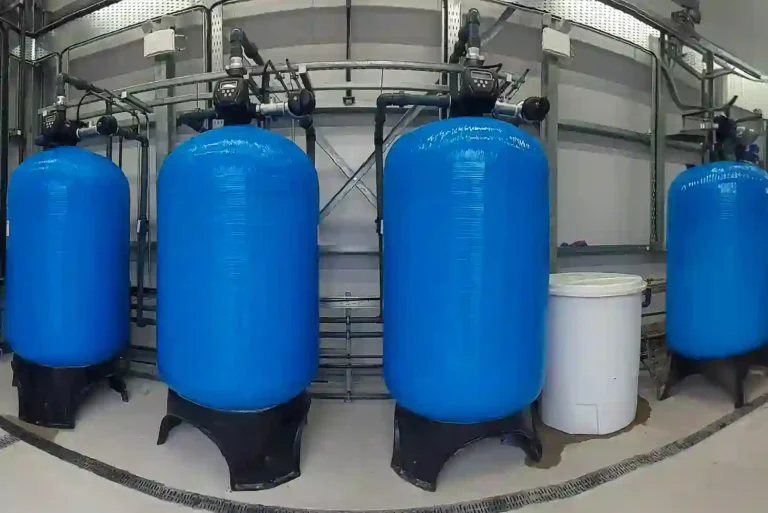
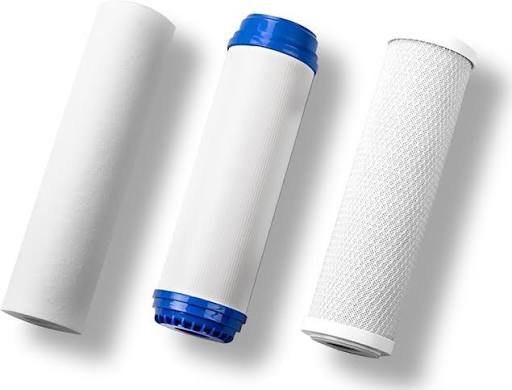
A properly designed system may combine several technologies. Depending on test results, that could involve sediment filtration, carbon filtration, water softening, oxidation, reverse osmosis, ultraviolet treatment, or specialized media.
The point isn’t to use every technology available.
The point is to use the technologies that actually address your water conditions.
A good treatment plan should also consider household flow rates, daily water consumption, available installation space, maintenance requirements, and long-term costs.
Don’t Ignore the Plumbing
Sometimes the water source isn’t the only part of the equation.
Water can interact with household plumbing, fixtures, storage tanks, and water heaters before it reaches your glass.
Older plumbing materials may deserve particular attention when certain contaminants are suspected. In other cases, the water heater may contribute to odor or staining that isn’t present in cold water.
If the problem appears only at one faucet, the issue may even be localized.
This is another reason an in-home assessment can be useful. It allows someone to consider the water and the plumbing environment together rather than looking at a laboratory number in isolation.
Think About What Happens After Installation
Choosing a treatment system is not the finish line.
Filters need to be replaced. Treatment media eventually require service. Some systems need periodic sanitization or inspection. Reverse osmosis membranes have finite lifespans, and mechanical components can wear.
Before purchasing equipment, ask about maintenance.
How often are filters changed? What does a replacement cartridge cost? Does the system require electricity? How much wastewater does it produce? Who services it if something stops working?
These questions may seem minor when you’re standing in a showroom, but they become considerably more interesting six months later.
Keep Records of Your Water Quality
A simple record can be surprisingly valuable.
Save your water-test results. Write down when filters are replaced. Keep notes about changes in taste, odor, staining, or water pressure.
Over time, this information creates a history.
If something changes later, you can compare current results with previous conditions instead of relying on memory. That’s particularly useful for private wells, where long-term monitoring can help reveal changes in water quality.
You don’t need a complicated spreadsheet. A folder and a few dated notes can do the job.
Don’t Let Water Treatment Become a Sales Decision
Good water treatment should be based on evidence.
If someone recommends equipment, ask what specific water condition it is designed to address. Ask whether the performance has been independently verified. Ask how the system will be maintained and what the ongoing costs will be.
A trustworthy provider should be comfortable explaining the reasoning behind the recommendation.
You shouldn’t feel pressured to buy equipment simply because your water isn’t “perfect.” Every water source has its own characteristics, and treatment should be proportional to the actual concern.
Sometimes the best recommendation is a simple filter.
Sometimes it’s a more involved system.
And sometimes testing shows that you don’t need additional treatment at all.
Better Water Decisions Start With Better Information
Water treatment can seem complicated because there are so many products, technologies, and claims competing for attention.
The easiest way to simplify the decision is to go back to basics.
Understand your water source. Identify the problem you’re trying to solve. Test the water when appropriate. Use independent testing when additional confirmation is valuable. Then select treatment based on actual results.
That approach may not be as flashy as buying a machine with a dozen filtration stages, but it is far more practical.
At the end of the day, good water treatment isn’t about having the most equipment under the sink. It’s about knowing what your water needs and choosing a system that delivers the right kind of treatment without unnecessary complexity.
Once you have reliable information, the rest becomes much easier. You can make a decision with confidence instead of crossing your fingers and hoping the next filter finally does the trick