Most homeowners think about their plumbing when something goes wrong. A faucet starts dripping. The shower loses pressure. The water heater makes a strange popping sound. Suddenly, a system that usually stays invisible becomes the most important thing in the house.
What gets less attention is the water moving through those pipes every day.
Water isn’t simply water. Depending on its source, it can contain hardness minerals, sediment, iron, chlorine, or other substances that gradually interact with plumbing and appliances. Some problems appear quickly. Others take years to become obvious.
That doesn’t mean every home needs an elaborate treatment setup. In fact, the smartest approach is usually much simpler: understand your water, identify the issues that matter, and treat them appropriately.
Your Plumbing Deals With Water Every Day
Think about how much water moves through a typical home.
It travels through faucets, showerheads, valves, washing machines, dishwashers and water heaters. Every one of those components comes into contact with the household water supply.
If the water contains significant hardness minerals, sediment, or other unwanted substances, those materials can accumulate in different parts of the system.
Over time, deposits may restrict flow or interfere with fixtures. Sediment can settle in equipment or clog small openings. Certain water characteristics can also contribute to staining and unpleasant odors.
This is why homeowners often consider treatment not only for drinking water, but also to protect plumbing throughout the property.
The goal isn’t to eliminate every naturally occurring mineral. It’s to manage water characteristics that create genuine problems.
Hard Water Is a Common Culprit
Hard water contains calcium and magnesium.
These minerals aren’t generally considered a health concern at typical levels, but they can create plenty of household frustration.
You may notice white deposits around faucets, spots on shower glass, soap that doesn’t rinse as easily, or scale accumulating inside appliances.
Water heaters are especially interesting because heating water can encourage mineral deposits to form on internal surfaces.
A water softener can reduce hardness by exchanging calcium and magnesium ions for sodium or potassium ions, depending on the system and setup.
Whether softening is necessary depends on the measured hardness and the household’s priorities.
Sediment Can Cause Its Own Problems
Not every water issue involves dissolved minerals.
Sediment can include sand, silt, rust particles, dirt, or other suspended material. Private wells may experience sediment naturally, while plumbing disturbances or utility work can sometimes introduce particles into a municipal supply.
A sediment filter can capture these particles before they travel farther into the home.
That’s particularly useful when sediment is affecting faucets, appliances, or other treatment equipment.
If sediment appears suddenly, though, don’t simply assume a filter is the complete answer. A change in sediment levels can sometimes point to a problem with a well, plumbing, or water source that deserves investigation.
Appliances Have to Live With the Water Too
Your appliances don’t get a choice about the water they use.
Washing machines, dishwashers, water heaters, coffee makers, humidifiers, and other equipment all interact with household water.
When mineral deposits or sediment accumulate, certain components may need more frequent cleaning or maintenance. The severity varies depending on the water chemistry, appliance design, temperature, usage, and maintenance habits.
This is where appropriate treatment can help protect appliances from unnecessary exposure to certain water-quality issues.
It isn’t a guarantee that an appliance will last forever. Nothing is.
But reducing avoidable mineral or sediment buildup can be a sensible part of an overall maintenance strategy.
Water Heaters Deserve Special Attention
Water heaters are often forgotten until they stop working.
They’re also one of the appliances most directly affected by water conditions because they heat large quantities of water repeatedly.
Hardness minerals can contribute to scale inside the tank or on heating elements. Sediment can settle at the bottom of a tank-style heater.
Over time, buildup may affect heating performance and create additional maintenance concerns.
Regular water-heater maintenance is still important, even if you have treatment equipment. Flushing the tank according to the manufacturer’s recommendations can help manage accumulated sediment.
Treatment and maintenance work best together.
Start With a Water Test
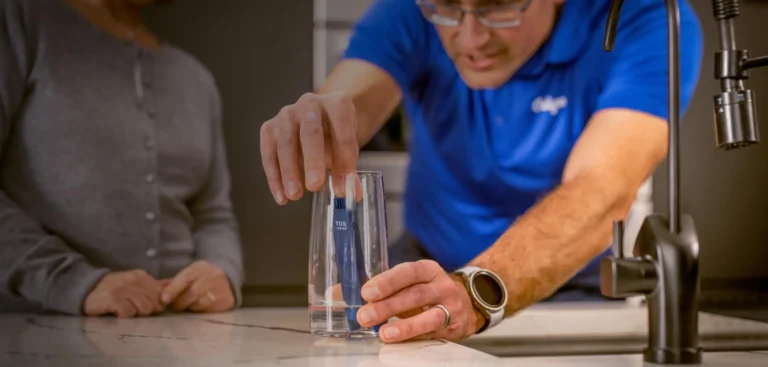
Before buying equipment, find out what’s actually in the water.
A water test can help identify hardness, pH, iron, manganese, chlorine, sediment, bacteria, and other characteristics depending on the testing panel and water source.
This information is useful because different problems require different solutions.
If hardness is the concern, you may need a softener. If sediment is the issue, filtration may be appropriate. If taste and odor are the problem, carbon filtration could be worth considering.
If a private well has a specific contaminant concern, specialized treatment may be necessary.
Guessing can get expensive.
Not Every Home Needs Whole-House Treatment
It’s easy to assume that the biggest water problem requires the biggest system.
That’s not necessarily true.
If your main concern is drinking-water taste, an under-sink filtration system may be enough. If hard water affects every fixture, whole-house treatment makes more sense.
Think about where the problem occurs.
Does it show up only in drinking water? Is there scale in every bathroom? Is sediment affecting appliances? Is the issue limited to one faucet?
The answers can help determine where treatment should happen.
A targeted solution is sometimes more practical than treating every gallon entering the house.
Choose Water Treatment Solutions That Match the Problem
The water-treatment market is full of impressive-sounding products.
You’ll see systems described as advanced, comprehensive, high-performance, multi-stage, or next-generation. Those phrases can sound reassuring, but they don’t tell you whether the equipment is right for your home.
Good water treatment solutions are based on the actual water conditions.
A sediment filter is useful for sediment. A softener is designed for hardness. Carbon filtration can address certain taste and odor concerns. Reverse osmosis is commonly used for reducing many dissolved substances in drinking water.
The best system may combine several technologies, or it may be surprisingly simple.
What matters is the match between the treatment and the problem.
Installation Matters More Than It Seems
Even good equipment needs to be installed correctly.
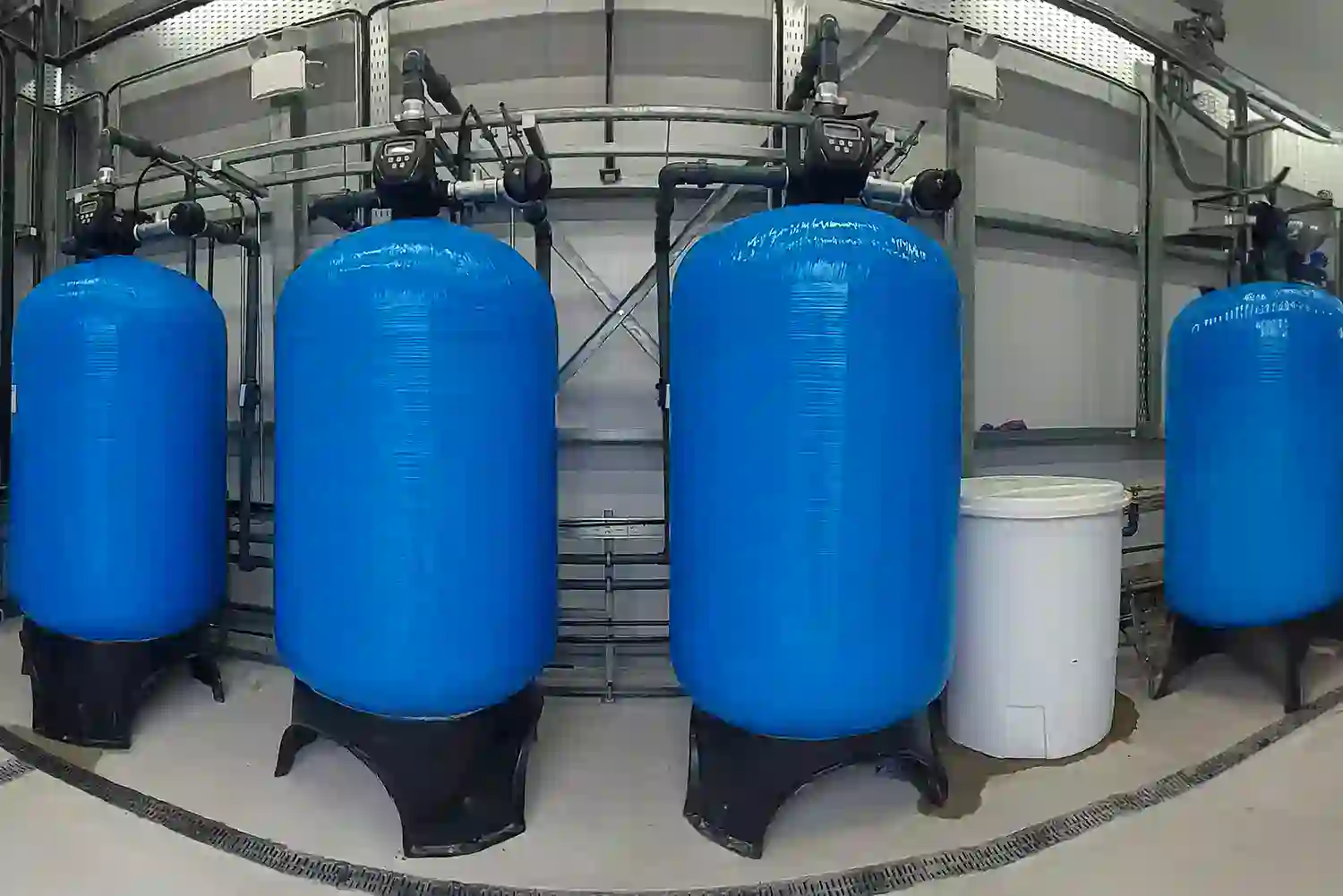
Whole-house systems connect directly to the main water line and may require drain connections, bypass valves, adequate space, and sometimes electrical connections.
Poor installation can create leaks, pressure problems, awkward maintenance, or equipment that doesn’t operate as intended.
Professional installation is especially useful when the plumbing is older, complicated, or difficult to access.
A properly installed system should be convenient to maintain, too. If the filter housing is hidden behind three other pieces of equipment, you’ll probably be less enthusiastic about changing the filter.
Accessibility matters.
Maintenance Keeps the Benefits Going
Water treatment isn’t a one-time purchase.
Filters eventually become loaded. Softener systems need salt or other maintenance depending on the design. Valves, membranes, tanks, and other components have service requirements.
Keep a record of filter changes and follow the manufacturer’s maintenance recommendations.
Also pay attention to changes in water pressure, taste, odor, or appearance.
Those small changes can be useful early warnings.
Ignoring them until the system completely fails usually isn’t the cheapest approach.
Don’t Forget About Professional Evaluation
Sometimes a water problem isn’t obvious.
A professional can evaluate the source, test the water, examine the plumbing, and help determine whether treatment is actually necessary.
This can be particularly helpful for private wells, unusual staining, sudden sediment, persistent odors, or recurring appliance problems.
You don’t necessarily need someone to sell you the most complicated equipment.
You need someone who can explain what the water is doing and why a particular treatment approach makes sense.
That distinction is important.
Better Water Is Part of Better Home Maintenance
Water treatment shouldn’t be viewed as a magic shield around your house. It won’t prevent every plumbing leak or keep every appliance running forever.
What it can do is address specific water characteristics that contribute to unnecessary wear, deposits, staining, or maintenance.
Start with testing. Understand the results. Treat the actual problem rather than the marketing language surrounding it.
Then install the equipment correctly and keep it maintained.
Over time, those relatively ordinary steps can make a meaningful difference.
You may not notice your treatment system working every day, and that’s actually a good thing. The best systems tend to disappear into the background while they quietly do their job.
And when your faucets remain easier to clean, your appliances aren’t dealing with unnecessary buildup, and your plumbing continues to work as expected, you may finally appreciate something that usually goes unnoticed: good water isn’t just about what’s in your glass. It’s also about everything that water touches on the way there.