Water has a funny way of becoming invisible in our daily lives. We use it without thinking much about where it comes from, what it contains, or how it affects everything around the house. Then something changes. Maybe the water starts tasting a little different. Perhaps the faucet has a strange film around it, or tiny particles appear in a glass after a long day of plumbing work.
Those moments usually make people pay attention.
The truth is, household water can vary quite a bit. Its quality depends on the source, local conditions, plumbing, and naturally occurring minerals or other substances. Not every unusual taste or visible mark means there is a serious problem, but persistent changes deserve a closer look.
The sensible approach isn’t to panic or buy the most expensive filter on the shelf. It’s to understand what’s happening first and then choose a treatment method that actually matches the problem.
Start by Understanding Your Water
Before choosing any filtration equipment, consider what your water is telling you.
Cloudy water may be related to suspended particles or air. Orange stains can sometimes indicate iron. A rotten-egg smell may be associated with sulfur compounds, especially in private well water. Hard water often leaves white deposits around faucets and shower fixtures.
These clues can be useful, but they aren’t a substitute for testing.
A water analysis can provide a much clearer picture of hardness, pH, iron, sulfur, sediment, minerals, and other characteristics. This information makes it easier to determine whether filtration, softening, disinfection, or another form of treatment is appropriate.
It also prevents a common mistake: solving a problem that doesn’t actually exist.
What Does Filtration Really Do?
Filtration sounds like one simple process, but different filters perform very different jobs.
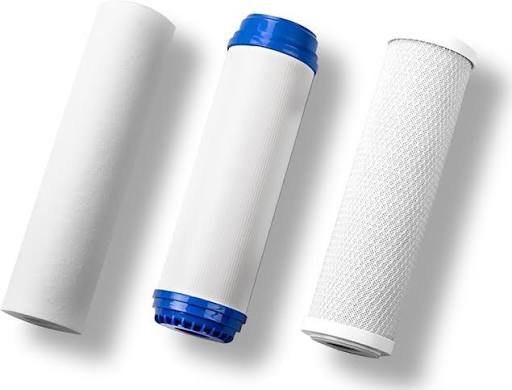
Some filters are designed to capture physical particles. Others target taste and odor. Certain systems reduce specific dissolved substances, while specialized equipment is designed for particular contaminants.
That’s why the phrase “water filter” doesn’t tell you very much by itself.
A homeowner dealing with sand from a private well may need a completely different setup from someone whose main complaint is chlorine taste. Likewise, a household struggling with mineral scale may benefit more from a softener than a conventional filter.
The goal should always be to identify the unwanted substance first and then select technology capable of addressing it.
The Role of Carbon Filtration
One of the most familiar approaches for improving household drinking water is carbon filtration. Activated carbon is commonly used to reduce certain substances responsible for unpleasant tastes and odors, including chlorine in many applications.
That’s one reason carbon filters are popular in refrigerators, pitcher filters, under-sink systems, and whole-house equipment.
But carbon isn’t a universal solution. Its effectiveness depends on the type of carbon, system design, contact time, water conditions, and the specific substances present. A filter marketed broadly as improving “water quality” may not address every concern in your supply.
Replacement is important, too. Carbon eventually becomes exhausted. If cartridges aren’t changed according to the manufacturer’s guidance, performance can decline.
It’s a relatively simple technology, but using it properly still matters.
When Sediment Becomes the Problem
If your water contains visible particles, the first question is where they’re coming from.
Sediment can include sand, silt, rust, or other suspended material. Private wells can sometimes introduce sediment, while aging plumbing may contribute rust or debris. Construction or plumbing repairs can also temporarily disturb particles inside pipes.
Sediment filtration is designed to capture these suspended materials before they travel farther into the plumbing system.
Filter selection matters here. A cartridge with a very fine rating may capture smaller particles, but it can also clog faster when the water contains a lot of sediment. A larger-capacity filter may be more practical in a high-sediment environment.
In other words, finer isn’t automatically better.
Watch your water pressure as well. A gradual drop in flow can be a simple sign that the filter needs attention.
Hard Water Needs a Different Strategy
Hard water is caused primarily by dissolved calcium and magnesium. You won’t necessarily see those minerals floating in a glass, but their effects can become obvious around the home.
Soap may not lather as easily. Shower doors can develop spots. Faucets may collect white scale, and water heaters can accumulate mineral deposits over time.
A conventional water softener addresses hardness through a different mechanism than a standard particulate or carbon filter. It is designed specifically to reduce hardness minerals rather than simply trap suspended material.
This distinction is important because homeowners sometimes expect one piece of equipment to handle everything. In reality, several treatment technologies may be needed when a water supply has multiple issues.
Point-of-Use or Whole-Home?
Where the treatment happens matters almost as much as what technology is used.
If your only complaint is drinking-water taste, an under-sink system may be enough. There may be little reason to treat water used for toilets, laundry, or outdoor activities when the concern exists only at the kitchen faucet.
On the other hand, if the entire plumbing system is affected by sediment, hardness, or an unpleasant odor, whole-home treatment may be more appropriate.
Think about where you experience the problem. The answer can help determine the size and location of the solution.
Don’t Skip Water Testing
Buying equipment without testing is a little like buying glasses without checking your prescription. You might get lucky, but why take the chance?
Testing provides a baseline and helps distinguish between different water-quality concerns. This is especially useful for homes using private wells, where water conditions can change over time.
A test may even tell you that you don’t need an elaborate system. Sometimes a relatively straightforward filter can address the issue.
That’s a win. Good treatment isn’t about adding more equipment. It’s about using the right equipment.
Maintenance Is Part of the Deal
Every filtration system requires some level of attention.
Cartridges need replacement. Housings need inspection. Connections should be checked for leaks. Some systems require pressure monitoring or additional components to remain effective.
It’s easy to forget about a filter once it’s installed because, ideally, you don’t notice it working. Setting a calendar reminder can help. Keep replacement cartridges accessible, too. A filter that’s overdue for replacement isn’t doing anyone much good.
For larger systems, routine professional service may also be useful, particularly when several treatment stages are involved.
Look Beyond the Initial Price
The purchase price is only one part of the cost.
Consider replacement filters, service, installation, water usage, electricity where applicable, and the expected lifespan of components. A cheaper system may become less economical if cartridges are expensive or difficult to find.
A good treatment setup should fit both your water and your budget.
Most importantly, don’t choose equipment simply because a product description promises to “remove everything.” Water treatment is more specific than that.
Better Water Starts With a Thoughtful Choice
There is no single system that works perfectly for every home. One household may need a carbon-based solution for taste and odor. Another may need sediment control, while a home with significant hardness may require softening. Some properties need a combination.
The broader goal of water treatment should be simple: understand the water, identify the actual concern, and choose technology that addresses it without unnecessary complexity.
Pay attention to changes. Test when needed. Maintain whatever system you install.
Good water quality doesn’t have to be mysterious or overwhelming. When the solution is based on real information rather than guesswork, everyday life gets a little easier — cleaner fixtures, better-tasting water, fewer surprises, and one less thing to worry about when you turn on the tap.