Most homeowners don’t think much about their water system until something goes wrong. A filter suddenly stops doing its job. Water pressure drops. The faucet starts producing cloudy water. Maybe the shower has that familiar hard-water residue that seems to return five minutes after you’ve cleaned it.
It’s easy to treat these problems as isolated annoyances. But your water equipment is a connected system, and small issues can sometimes point to a larger maintenance need.
Looking after that system doesn’t have to be complicated. In fact, a little attention at the right time can prevent a surprising amount of frustration later.
Start by Understanding Your Water
Before talking about filters and treatment equipment, it helps to understand where your water comes from.
Municipal water is treated before it reaches homes, while private wells depend on groundwater conditions and the surrounding environment. Water characteristics can vary even between nearby properties.
Hardness, sediment, iron, sulfur, pH and other factors can influence how water behaves inside a home.
That’s why a water test is often a useful starting point. Instead of guessing why you’re seeing stains or scale, you can gather information about the water itself.
Testing Can Prevent the Wrong Purchase
Water treatment equipment isn’t interchangeable.
A system designed to reduce sediment isn’t necessarily designed for dissolved minerals. A water softener handles hardness but isn’t a universal contaminant filter. Reverse osmosis addresses many dissolved substances, but it isn’t intended to solve every household water issue.
Some providers offer a free water test to help homeowners understand their water before recommending equipment.
If you use such a service, ask what is being tested and whether the results will be explained clearly. A number on a report isn’t very helpful if you don’t know what it means for your home.
Good testing should help you make a better decision, not simply lead you toward the most expensive system.
Your Water System Needs More Than Installation
Once treatment equipment is installed, the work isn’t necessarily finished.
Filters have limited capacity. Softener systems need periodic attention. Reverse osmosis membranes eventually require replacement. Valves, fittings and other components can also wear with normal use.
Regular system maintenance helps keep equipment operating as intended and provides an opportunity to spot small problems before they become expensive ones.
Think of it like servicing a car. You don’t wait for the engine to fail before changing the oil. Water treatment deserves the same basic mindset.
Pay Attention to Changes in Water Pressure
A sudden change in water pressure can be a useful warning sign.
A clogged filter may restrict flow. A valve may not be operating properly. Sediment could be collecting somewhere in the plumbing.
If the pressure changes gradually, check when the filters were last replaced. If the change is sudden or significant, it may be worth having the system inspected.
Don’t automatically assume that buying a stronger pump or larger filter is the answer. The cause should be identified first.
Hard Water Creates Slow, Persistent Problems
Hard water is one of those household issues that rarely announces itself dramatically. Instead, it leaves clues.
White deposits appear on faucets. Shower doors become spotted. Appliances that heat water develop scale. Soap doesn’t seem to work quite as well.
Water softening can help reduce calcium and magnesium, the minerals primarily responsible for hardness.
But if hardness isn’t the problem, a softener won’t solve whatever is bothering you. Again, water testing is the sensible starting point.
Sediment Can Affect Other Equipment
Sediment may enter a home from a private well, aging infrastructure or disturbances in the water supply.
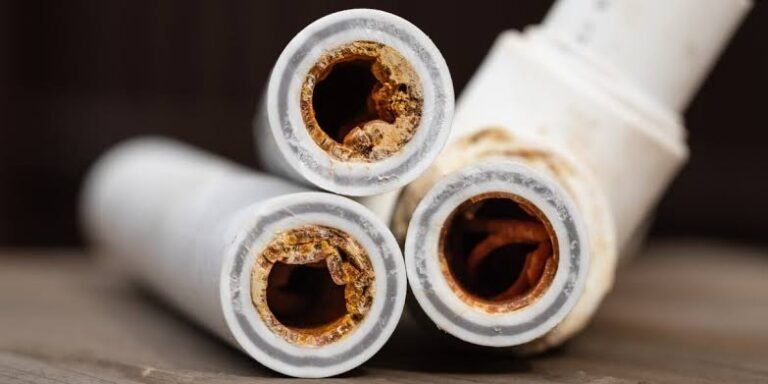
Even small particles can collect in faucet aerators, filters and appliance components. Over time, heavy sediment can create flow restrictions and increase the maintenance burden.
A properly sized sediment filter can act as an early line of defense.
However, filters need to be monitored. Once they become loaded with sediment, they can restrict water flow and may no longer perform efficiently.
Every Home Has Different Needs
A small household with municipal water may have relatively simple treatment requirements. A larger home with a private well can have a very different set of challenges.
That’s why customized solutions can be valuable.
A customized approach doesn’t necessarily mean installing a complicated collection of equipment. It means selecting treatment based on the property’s water characteristics, household demand, plumbing and priorities.
Sometimes the right answer is surprisingly simple.
Other times, several treatment stages may be necessary because different water issues need different technologies.
Don’t Ignore the Plumbing
Water treatment equipment isn’t always responsible for a water problem.
If only one faucet has an unusual taste or odor, the fixture or local plumbing could be involved. If a problem occurs only with hot water, the water heater may deserve attention.
This is particularly important when troubleshooting.
Installing a whole-house treatment system before investigating the plumbing can be an expensive way to miss the actual source.
A good water professional should consider the complete system rather than automatically blaming the water.
Think About Maintenance Before You Buy
Every treatment system comes with some level of upkeep.
Before purchasing, ask how often filters need changing, what replacement parts cost and whether servicing requires a professional.
Some homeowners don’t mind regular maintenance. Others want a system that requires minimal attention.
Neither preference is wrong.
The important thing is choosing equipment that matches your routine. A sophisticated system isn’t useful if its maintenance requirements are routinely ignored.
Long-Term Costs Matter
Installation price is only one piece of the financial picture.
Consider replacement filters, membranes, salt, electricity, service visits and water usage. Over several years, these expenses can add up.
A slightly more expensive system may be worthwhile if it has lower operating costs or better protects valuable appliances.
On the other hand, purchasing equipment you don’t actually need is simply wasted money.
Ask for the estimated ongoing costs before making a decision.
Keep a Simple Maintenance Record
You don’t need a complicated spreadsheet.
Write down the date your filters were installed. Record replacements. Note water tests and service visits.
If you notice changes in taste, odor, pressure or appearance, make a quick note.
These details can help a technician understand what has changed and when. They can also help you recognize recurring patterns.
A little record-keeping goes a surprisingly long way.
Know When to Call for Help
Some maintenance tasks are straightforward, such as replacing an accessible cartridge according to the manufacturer’s instructions.
Other problems aren’t worth guessing about.
Leaks, sudden pressure changes, persistent odors, unusual water discoloration or treatment equipment that isn’t operating normally should be investigated.
Trying to fix unfamiliar equipment without understanding the cause can sometimes make matters worse.
There is no prize for turning a minor plumbing problem into a weekend-long project.
Good Maintenance Is Mostly About Prevention
Water treatment is easy to forget because it operates quietly. That’s exactly why scheduled attention matters.
Testing helps identify what’s in the water. Proper equipment addresses specific concerns. Routine maintenance keeps that equipment working. Professional inspections can identify issues that aren’t obvious from the outside.
None of this needs to become an obsession.
The goal is simply to stay a step ahead.
A Healthier Water System Starts With Simple Habits
You don’t need the most advanced treatment technology to have a well-managed water system.
You need the right equipment for your water, proper installation and a willingness to maintain it.
Pay attention to changes. Test when appropriate. Replace filters on schedule. Keep basic records. Ask questions before buying equipment.
Most importantly, don’t treat every water problem as the same problem.
When treatment is matched to actual conditions and maintained properly, the system can quietly do its job for years. That’s really the best outcome — no drama, no constant troubleshooting, just dependable water whenever you turn on the tap.
And in a busy home, there’s something pretty satisfying about equipment that simply works.