Most plumbing problems don’t announce themselves with much drama. A faucet starts dripping. The shower loses pressure. Maybe the toilet takes a little longer to refill than it used to. These things seem small, almost easy to ignore.
Until they aren’t.
A hidden leak can damage a wall. A failing water heater can leave a household without hot water. A blocked drain can turn into a much bigger mess at exactly the wrong time. That’s why choosing the right professional matters long before a plumbing problem becomes an emergency.
Technology has changed the plumbing industry, and modern equipment certainly has its advantages. Still, experience remains one of the most valuable things a homeowner can find in a service provider. Tools can identify problems, but people have to understand what those findings mean.
A good plumber brings practical judgment to the job. And sometimes, that makes all the difference.
Experience Changes How Problems Are Diagnosed
Two plumbing issues can look almost identical from the outside while having completely different causes.
Take low water pressure. If only one faucet is affected, the problem could be a clogged aerator or fixture component. If every faucet in the house has weak flow, the cause could involve the main supply, a pressure regulator, valves, old piping, or another restriction.
An experienced team of skilled professionals knows to look beyond the first obvious symptom.
That doesn’t mean making every repair complicated. In fact, experience often does the opposite. Someone who has encountered the same type of problem many times can sometimes narrow down the possibilities quickly.
Good diagnosis saves homeowners money because it reduces unnecessary repairs and helps ensure that the work being performed actually addresses the cause.
Plumbing Is About More Than Pipes
It’s easy to think of plumbing as a collection of pipes connected to sinks, toilets, showers, and appliances.
In reality, a home’s plumbing system is a network. Water enters under pressure, travels through supply lines, reaches fixtures, and eventually leaves through drainage and sewer systems.
Changes in one part can affect another.
That’s why plumbing professionals need to understand how individual components interact. Replacing a fixture may be straightforward, but diagnosing recurring problems requires a broader view.
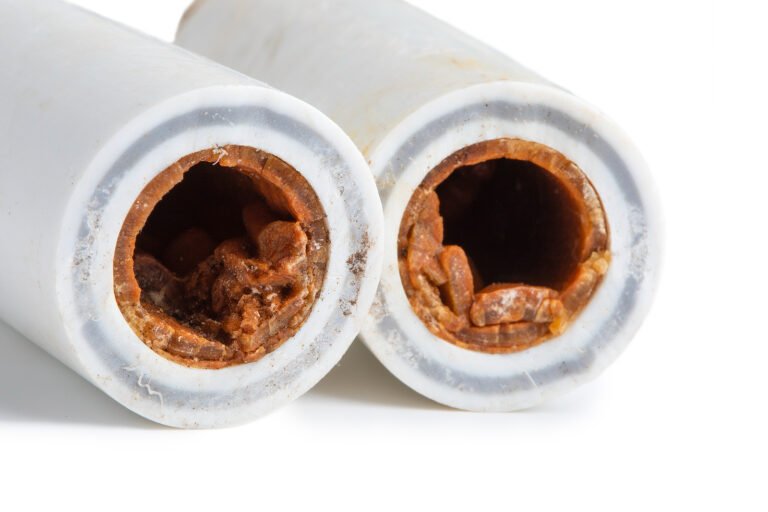
For example, a repeatedly clogged bathroom drain may not simply need another round of cleaning. There could be buildup farther down the line, an improperly configured drain, damaged piping, or another restriction.
Fixing the symptom over and over isn’t really fixing the problem.
Good Work Starts With Good Questions
Before a technician begins working, there should usually be some conversation.
When did the problem begin? Has it happened before? Does it occur at certain times? Did anything change recently?
Homeowners may not know the technical answer, but they often notice patterns that aren’t immediately visible during an inspection.
Maybe the water pressure drops when another fixture is running. Perhaps the drain backs up only after heavy rainfall. Maybe the water heater makes a strange sound only during the first heating cycle of the morning.
These details can be useful.
A professional who listens carefully isn’t wasting time. They’re collecting information that can make the diagnosis more accurate.
The Right Tools Still Matter
Experience doesn’t mean ignoring technology.
Modern plumbing professionals have access to tools that can make difficult jobs much easier. Drain cameras can reveal conditions inside pipes without immediately resorting to destructive methods. Electronic equipment can help locate hidden leaks. Pressure-testing tools can provide useful information about a water supply system.
The key is knowing when and how to use those tools.
A camera inspection might be unnecessary for a simple clogged sink, but it can be extremely valuable when a sewer line repeatedly backs up.
That’s where practical judgment comes in.
Technology gives professionals more information. Experience helps them interpret it.
Water Heaters Need Special Attention
Water heaters are among the most important pieces of equipment in a home, yet they often receive attention only after they stop working.
Traditional tank heaters can develop sediment buildup, corrosion, and worn components. Tankless systems have their own maintenance considerations, including potential mineral scaling depending on water quality.
Warning signs shouldn’t be ignored.
Unusual noises, inconsistent temperatures, rusty water, visible corrosion, or moisture around the equipment may indicate that an inspection is worthwhile.
A technician can determine whether a repair makes sense or whether replacement is becoming the more practical choice.
That distinction matters because repairing an older system repeatedly may cost more in the long run than replacing it with appropriately sized equipment.
Experience Helps With Emergency Decisions
Plumbing emergencies are stressful partly because homeowners have to make decisions quickly.
A burst pipe can release a surprising amount of water in a short period. A major drain backup can make bathrooms unusable. A failed water heater can disrupt an entire household.
In these situations, the first priority is controlling the immediate problem.
If there’s a significant water leak, shutting off the appropriate water supply when safe to do so can limit damage. Then professional assistance should be contacted.
An experienced technician can assess the situation, stabilize the system, and determine what caused the failure.
That last part matters.
A temporary patch may stop today’s leak, but understanding why the component failed can help prevent another problem later.
Industry Knowledge Keeps Recommendations Practical
Every plumbing project involves choices.
Should a component be repaired or replaced? Is a water heater upgrade worthwhile? Does a recurring clog justify further investigation? Would a whole-home solution make sense, or is a smaller repair enough?
These decisions require context.
Strong industry knowledge allows a professional to consider equipment age, water quality, building conditions, current plumbing standards, manufacturer requirements, and long-term maintenance.
The goal shouldn’t be to sell the most expensive option.
Sometimes a simple repair is perfectly adequate. Other times, repeatedly repairing an aging component makes little financial sense.
A trustworthy professional explains both possibilities and lets the homeowner make an informed decision.
Respect for the Property Is Part of Professionalism
Plumbing repairs happen inside someone’s home or business.
That means technical ability isn’t the only thing customers notice.
Protecting floors and cabinets, keeping tools organized, minimizing unnecessary mess, and cleaning the work area afterward are all signs of professionalism.
So is communication.
If the job is taking longer than expected, customers deserve to know why. If additional work becomes necessary, it should be explained before proceeding whenever possible.
People generally understand that unexpected problems happen. What frustrates them is being surprised by them.
Preventive Maintenance Can Save Trouble Later
Not every plumbing problem can be prevented, but homeowners can reduce avoidable failures by paying attention to their systems.
Check exposed pipes occasionally. Look beneath sinks. Watch for moisture around toilets and water heaters. Listen for unusual sounds.
Don’t ignore slow drains or constantly running toilets.
Keep grease out of drainage lines and use fixtures according to their intended purpose. Simple habits aren’t exciting, but they can prevent plenty of unnecessary trouble.
For larger systems, follow manufacturer maintenance recommendations and schedule professional inspections when appropriate.
Experience Is Especially Valuable in Older Homes
Older houses can present unique plumbing challenges.
A property may have undergone several renovations, leaving a mixture of pipe materials, fixtures, and repair methods. Previous work may have solved one problem while creating another.
Experienced professionals know that opening one section of plumbing can sometimes reveal surprises.
That’s why careful inspection is important before major renovations or repiping projects.
A good technician doesn’t just ask, “How do we replace this?”
They also ask, “Why is it configured this way, and what else could be affected if we change it?”
That broader perspective can prevent expensive mistakes.
Choosing a Plumber With Confidence
When comparing plumbing companies, look beyond a low advertised price.
Consider experience, qualifications, communication, reviews, warranties when offered, availability, and whether estimates are explained clearly.
Ask questions before work begins. A professional should be comfortable explaining the problem and outlining the proposed solution.
You don’t need to become a plumbing expert yourself. You simply need enough information to understand what you’re approving.
The best service experience usually feels straightforward rather than pressured.
Experience Becomes Valuable When Things Get Complicated
A simple faucet replacement doesn’t necessarily require years of complicated troubleshooting.
But when a problem is hidden, recurring, or connected to several parts of the plumbing system, experience becomes much more valuable.
It’s the ability to recognize patterns. To know when something doesn’t look right. To choose the right tool instead of every tool. To explain options without making the homeowner feel lost.
In the end, plumbing is one of those fields where practical knowledge quietly pays off.
The right professional won’t promise that your home will never have another plumbing problem. That’s unrealistic. Pipes age. Fixtures wear out. Equipment eventually fails.
What experience can provide is something more useful: better decisions when those problems happen.
And when water is leaking, the drain won’t clear, or the hot shower suddenly disappears, having someone who knows what they’re looking at can make a stressful day considerably easier