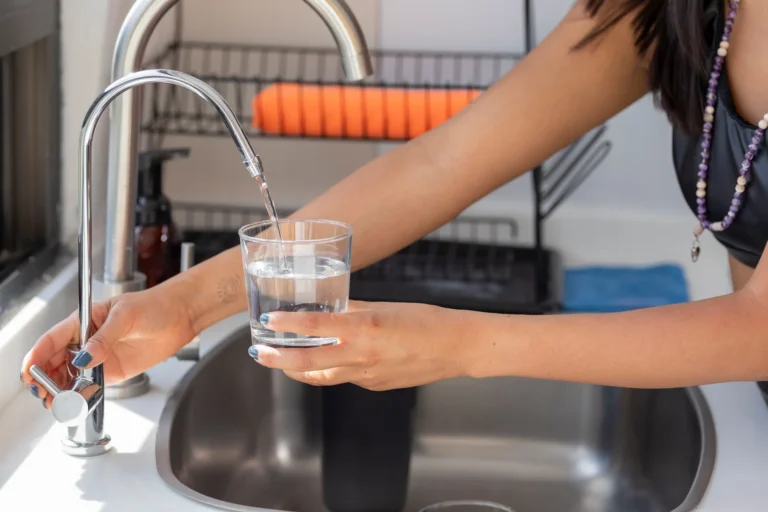
There’s something nice about having good drinking water right where you need it. No cases of bottled water taking over the pantry. No dragging heavy containers home from the store. No standing at the refrigerator wondering whether the water inside tastes better than what comes straight from the tap.
For many households, an under-sink filtration system offers a fairly simple way to improve the water used in the kitchen. It stays out of sight, works whenever you turn on the faucet, and can be designed around the particular concerns found in your water.
Still, buying a filter shouldn’t be an impulse decision. Different systems treat different things, and installation space, maintenance and water quality all matter. A little thought before choosing one can make the whole experience much easier later.
Why Under-Sink Filtration Appeals to Homeowners
Kitchen counters are valuable real estate. Between a coffee maker, toaster, blender and whatever else has accumulated over the years, there’s often not much room left.
That’s one reason a compact under-sink design can be appealing. Instead of placing a filtration unit on the countertop, the main equipment sits inside the cabinet beneath the sink.
The visible footprint can be minimal, while treated water remains readily available at the kitchen faucet.
This setup also keeps the filtration equipment away from direct sunlight, splashes and general countertop clutter. Of course, the cabinet still needs enough room for the system, connections and future filter changes.
Before buying, open the cabinet and measure it. It sounds obvious, but you’d be surprised how often “it should fit” turns into an awkward installation.
Start by Understanding Your Water
A filter should solve a real water-quality concern.
If your water has an unpleasant chlorine taste, carbon filtration may be appropriate. If sediment is the issue, a sediment filter may be more useful. If testing identifies certain dissolved substances, another treatment technology might be necessary.
The key is to know what you’re treating.
A water test can provide valuable information about hardness, dissolved solids, pH and other characteristics. If there’s concern about a specific contaminant, targeted testing may be more appropriate.
Don’t assume that because a filter has several stages, it automatically handles every possible water problem. The number of stages is less important than what those stages are designed to accomplish.
Drinking and Cooking Are Worth Considering
We tend to think of drinking water as the obvious use, but the kitchen uses water for much more than filling glasses.
Water goes into coffee, tea, soups, sauces, rice, pasta and countless other meals. That’s why a good filtration setup can be useful for both drinking and cooking.
Taste can matter here more than people realize. If tap water has a noticeable chlorine or mineral flavor, it can subtly affect beverages and recipes.
Some households may also appreciate having treated water available for pets, ice makers or other everyday kitchen uses, depending on how the plumbing is configured.
The goal isn’t necessarily to treat every gallon entering the house. It’s to make sure the water you consume most often meets your preferences and treatment goals.
Carbon Filters and Taste
Activated carbon is widely used in residential water filtration because it can reduce chlorine and help improve taste and odor.
For someone whose main complaint is that tap water tastes too much like a swimming pool, a properly selected carbon filter may make a noticeable difference.
But carbon isn’t a universal contaminant remover.
Its effectiveness depends on the filter material, design, flow rate and the substances present in the water. Filters also have a limited service life.
This is why performance claims should be checked carefully. Look for information about what the filter is certified or tested to reduce rather than relying on broad marketing language.
What If You Need Reverse Osmosis?
Some homeowners need more than basic taste-and-odor filtration.
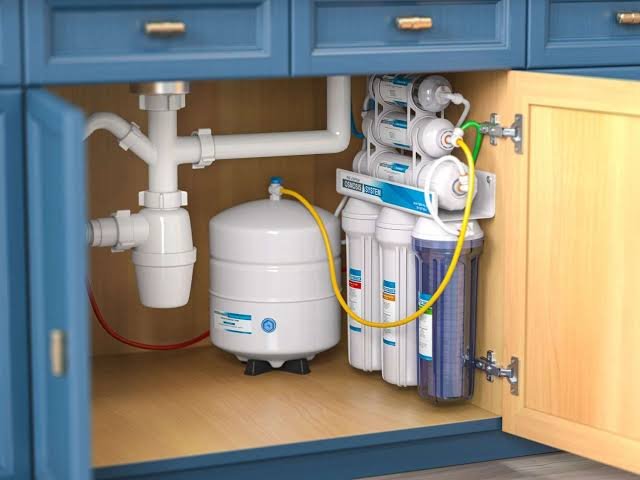
Reverse osmosis systems use a semipermeable membrane to reduce many dissolved substances. Under-sink RO units are common because drinking and cooking water can be treated without processing the entire home’s water supply.
An RO system may include sediment and carbon prefilters, the membrane itself and a final polishing filter.
There are trade-offs, though. RO systems can require more space than basic filtration, need adequate water pressure and produce some reject water. Filters and membranes also require periodic replacement.
If you’re considering RO, compare the actual water-quality problem with the system’s documented capabilities.
Maintenance Should Be Easy Enough to Remember
The best filter in the world isn’t very useful if you forget to maintain it.
Every filtration system has a service life. As a cartridge becomes loaded, water flow may decline and treatment performance can change.
Fortunately, many under-sink systems are designed so homeowners can handle routine cartridge changes without calling a technician every time.
Look for simple filter replacement if convenience is important to you. A well-designed housing should allow reasonable access, clear instructions and secure connections.
Before installation, find out how often the filter needs to be changed and how much replacement cartridges cost. The initial system price doesn’t tell you much about long-term ownership by itself.
Don’t Forget Water Pressure
Water pressure is easy to overlook until it becomes a problem.
Some filtration systems restrict flow more than others, particularly when filters become clogged. Reverse osmosis systems can have additional pressure requirements because water must pass through the membrane.
If your kitchen already has weak flow, investigate the cause before installing new equipment.
Sometimes the issue is the faucet. Sometimes it’s plumbing. Sometimes the filtration equipment really is responsible.
Understanding the difference saves a lot of unnecessary frustration.
Installation Details Matter
An under-sink system may look simple, but installation still needs to be done correctly.
Connections need to be secure. Tubing should be routed neatly. The filter should be accessible. If an RO system has a storage tank or drain connection, those components need appropriate space as well.
It’s also worth checking whether your faucet and plumbing configuration are compatible with the system.
If you’re uncomfortable working under the sink, professional installation may be the better choice. A clean installation can make future maintenance much easier.
Think About the People Using It
A water filter should fit the household, not just the plumbing.
If several people drink a lot of water throughout the day, a small-capacity system may become inconvenient. A household that mostly drinks water away from home may have different needs.
Consider your daily routine.
Do you fill large bottles every morning? Make several pots of coffee? Cook frequently? Have guests often?
Those simple questions can help determine how much treated water you’ll realistically need.
When a Simple System Is Enough
Not every water-quality concern requires sophisticated equipment.
If testing shows that your primary issue is chlorine taste and odor, a quality carbon filter may be all you need. If you have significant hardness throughout the home, an under-sink drinking-water filter won’t address scale in showers or appliances.
In some cases, different treatment methods work together. A whole-house softener can address hardness, while an under-sink system handles drinking water.
The important thing is avoiding unnecessary overlap.
Making the Kitchen Water Better
An under-sink filtration system isn’t about turning your kitchen into a laboratory. It’s about making an everyday task easier.
Start with water testing. Identify what bothers you and what you actually want the system to improve. Then compare filtration technologies, maintenance requirements, capacity and installation needs.
A well-chosen system should fit quietly beneath the sink and become part of the routine.
You turn on the faucet. You fill the glass. You make coffee. You cook dinner.
That’s really the point. Good water treatment doesn’t need to demand attention. When the equipment fits your space, your water and your habits, it simply does its job — quietly, conveniently and day after day.