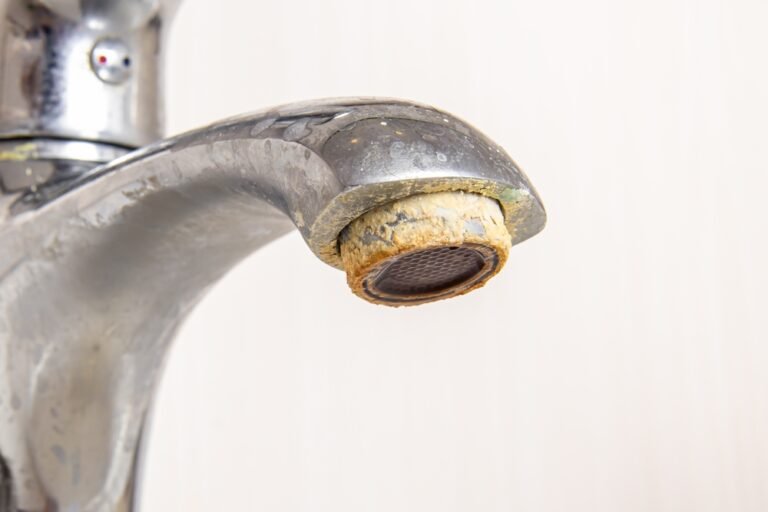
Water is one of those everyday comforts you rarely think about until something changes. The first clue might be a strange taste in your morning coffee, white spots on freshly washed glasses, or a showerhead covered in mineral buildup. Sometimes it’s an unpleasant odor that seems to appear out of nowhere. Other times, the water looks perfectly normal, but appliances are developing problems sooner than expected.
These little annoyances can add up.
More importantly, they can make it difficult to know what kind of treatment your home actually needs. Walk into a store or browse online and you’ll find dozens of filters, softeners, membranes, conditioners, and combination units, all promising better water.
It’s easy to assume the most advanced-looking system must be the best choice. Usually, it isn’t that simple.
The better approach is to understand your water first and then choose treatment based on the actual problem.
Every Home Has Different Water
Two houses on the same street can have noticeably different water experiences. One may deal with hard water, while another has an issue with iron or sediment. Homes using private wells can have even more variation because groundwater chemistry is influenced by local geology and changing environmental conditions.
Municipal water isn’t identical everywhere either. Treatment at the utility level addresses many concerns, but water can still contain minerals, disinfectant byproducts, or substances introduced as it travels through distribution and household plumbing.
That’s why testing can be such a useful first step.
Instead of guessing, homeowners can identify characteristics such as hardness, pH, iron, manganese, chlorine, sediment, and other relevant parameters. Once those details are known, the treatment decision becomes much less mysterious.
Choosing Treatment Is About Matching the Problem
Different treatment technologies have different jobs.
Sediment filtration is useful for particles. Activated carbon can help with certain tastes, odors, and chemicals. Water softeners are primarily designed to reduce hardness. Reverse osmosis can reduce many dissolved substances from drinking water.
There are also specialized treatment technologies for particular water conditions.
This is where water treatment systems should be viewed as tools rather than miracle products. A system is valuable when its design matches the water it is treating.
For example, installing a softener won’t necessarily solve an iron problem. A sediment filter won’t automatically remove dissolved minerals. And a drinking-water RO unit isn’t intended to replace every type of whole-house treatment.
Knowing what each component actually does helps prevent unnecessary spending.
Sizing Matters More Than the Brochure
It’s tempting to focus on the equipment’s headline capacity, but sizing should be based on how the household uses water.
A family of two has different needs from a family of six. A house with several bathrooms and high-flow fixtures can place considerably more demand on a treatment system than a smaller property.
Peak flow matters, too.
If several showers, faucets, and appliances operate simultaneously, the system needs to keep up without creating an unacceptable pressure drop. A treatment unit that works beautifully under light demand may struggle during the morning rush.
That’s why equipment should be properly sized for the property’s water conditions and usage patterns.
Oversizing isn’t necessarily better. A larger system may cost more to purchase and maintain without providing meaningful benefits. Undersizing can create performance problems.
The sweet spot is equipment that fits the real situation.
Hard Water Can Be a Slow, Persistent Nuisance
Hard water rarely causes an immediate crisis. Instead, it quietly creates work.
You notice scale around faucets. Shower doors become cloudy. Soap doesn’t seem to rinse quite as easily. Glassware may develop spots, and appliances that heat water can accumulate mineral deposits internally.
The minerals primarily responsible are calcium and magnesium.
Water softening can reduce these minerals and help control scale throughout the plumbing system. It can also make cleaning feel easier, particularly in bathrooms and kitchens.
But homeowners should keep expectations realistic. Softening addresses hardness; it doesn’t turn a softener into an all-purpose filter.
If testing shows multiple water concerns, additional treatment may be necessary.
Drinking Water Is Worth Considering Separately
Whole-house treatment and drinking-water treatment don’t always need to be identical.
Some households want to improve the water coming from every fixture. Others are primarily concerned about what they drink and cook with.
A point-of-use system at the kitchen sink can provide targeted treatment without requiring the entire home’s water supply to pass through the same technology.
Reverse osmosis is one common option when the goal is reducing certain dissolved substances. Carbon filtration may be useful for improving taste and odor. The right choice depends on what testing shows and what the homeowner wants to accomplish.
Look for equipment with clear performance claims rather than vague promises. If a product says it reduces a particular contaminant, check whether there is credible certification or testing behind that claim.
Installation Should Leave Room for Real Life
A water treatment system may look straightforward in a product photo. In a utility room, reality is a little different.
There are pipes to connect, valves to access, drains to consider, pressure requirements to manage, and filters that will eventually need changing.
Installation should leave enough room for future service. Don’t bury a filter housing behind storage bins and then act surprised when nobody wants to replace it six months later.
Water treatment equipment also needs to work with the existing plumbing. Flow rates and pressure should be considered before installation rather than after the system is already in place.
A neat installation is nice. A practical installation is better.
Pay Attention to Changes
One of the most useful habits a homeowner can develop is simply noticing when something changes.
If water that normally tastes fine suddenly develops an odor, investigate it. If a filter that usually lasts six months becomes clogged within a few weeks, ask why. If pressure drops after treatment equipment has been installed for years, don’t automatically assume it’s normal aging.
The water source may have changed. Plumbing work may have introduced sediment. A well may be affected by seasonal conditions. A filter may simply be overdue.
Small observations can prevent larger problems.
Maintenance Keeps Performance Steady
No treatment system is maintenance-free.
Filters need replacement. Softener salt levels need attention where applicable. RO membranes eventually wear out. Tanks, valves, pumps, and electronic controls may require inspection or servicing.
Keeping a simple maintenance record is surprisingly helpful.
Write down when filters were changed, when the system was serviced, and when water was tested. If something unusual happens later, you have a useful history to refer to.
For private wells, periodic water testing is especially important. Treatment equipment should be maintained, but the source itself also needs attention.
Don’t Buy Features You Don’t Need
Modern water treatment equipment can include monitoring apps, automated controls, leak detection, smart alerts, and other technology.
Some of these features are genuinely useful. Others may be unnecessary for a particular home.
Ask practical questions instead.
What problem am I trying to solve? How much water does my household use? What does the water test show? How much maintenance can I realistically handle? What will replacement filters or other consumables cost over time?
Those questions are often more valuable than a long list of product features.
The Goal Is Simple: Water You Enjoy Using
At the end of the day, water treatment isn’t really about equipment.
It’s about making everyday life easier.
You want to fill a glass without wondering about the taste. You want cleaner-looking fixtures. You want fewer mineral deposits inside appliances. You want water that works well for bathing, cooking, cleaning, and drinking.
When a system is selected, installed, and maintained properly, the result can be clean soft great-tasting water that simply feels normal again.
And perhaps that’s the best outcome.
You shouldn’t have to think about your water every time you turn on the faucet. Start with testing, choose treatment based on evidence, size the equipment to your actual needs, and keep up with maintenance.
Good water doesn’t have to be complicated. It just has to be understood.