There are certain household chores that never seem to end. Dishes pile up, glasses lose their sparkle, bathroom fixtures develop spots, and somehow there is always one more load of laundry waiting around the corner.
We tend to blame the soap, detergent, appliance, or maybe our cleaning technique. But sometimes the water itself is part of the story.
Water contains naturally occurring minerals and, depending on the source, other substances that can affect how cleaning products perform and how surfaces look afterward. Hard water, in particular, can leave mineral deposits that make an otherwise clean home appear less than clean.
Once you understand that connection, a few everyday mysteries start making more sense.
When Clean Dishes Don’t Look Clean
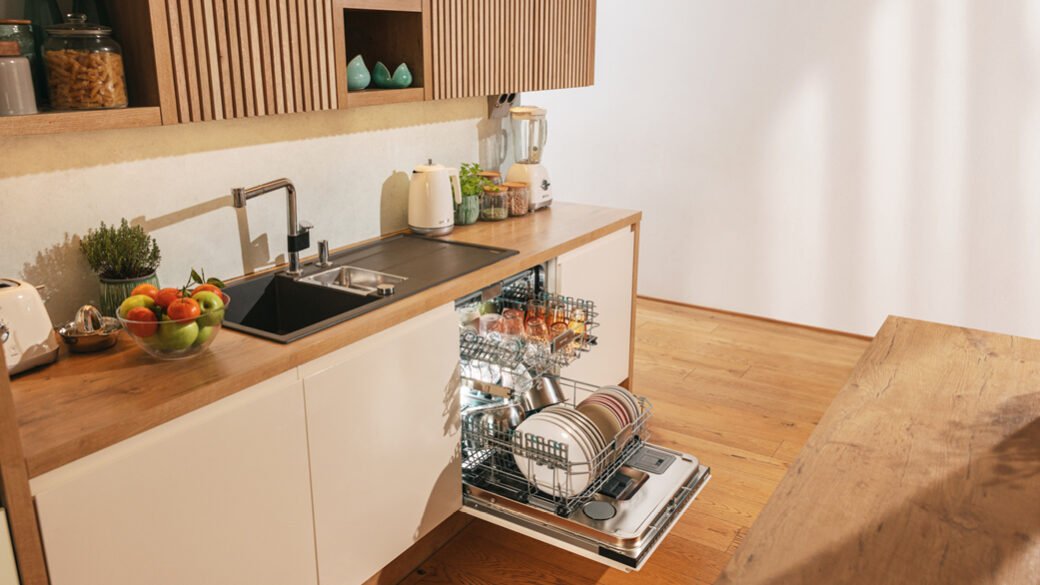
Imagine unloading the dishwasher after a full cycle. Everything has been washed, but the glasses have tiny white marks. Plates look slightly dull. Your favorite wine glasses have lost that crystal-clear appearance they once had.
It’s frustrating because you know the dishes were cleaned.
A dishwasher can only work with the water supplied to it. If that water contains significant amounts of hardness minerals, those minerals can remain behind as water evaporates from dishes and glassware.
Detergent, rinse aid, temperature, and machine settings all play a role, of course. But water hardness can make getting that polished finish considerably more difficult.
Sometimes the solution isn’t buying stronger detergent. It may be addressing the water itself.
Why Hard Water Leaves Residue
Hard water typically contains calcium and magnesium.
When water dries, those dissolved minerals can remain on surfaces. Over time, repeated exposure can create noticeable deposits on faucets, shower doors, dishes, and appliances.
The problem is especially obvious on glass because even a thin layer of residue can scatter light and make the surface look cloudy.
You might clean the same glassware repeatedly, only to see the marks return after the next wash.
That’s the frustrating part. You’re not necessarily doing anything wrong. You’re simply cleaning with water that is leaving something behind.
Bathrooms Tell the Story Quickly
Bathrooms are another place where hard water becomes difficult to ignore.
Water droplets evaporate from faucets, shower walls, doors, and fixtures throughout the day. Each droplet can leave behind tiny amounts of mineral residue.
Over time, those deposits build up.
For homeowners who enjoy luxurious baths, mineral buildup can be an especially unwelcome detail. There’s nothing particularly relaxing about soaking in a beautiful tub while staring at cloudy fixtures and stubborn white deposits.
Regular cleaning can help control the appearance, but if the underlying water condition remains unchanged, the deposits can keep coming back.
Your Cleaning Products May Be Working Harder
Hard water can affect the way soaps and detergents behave.
Calcium and magnesium can interact with soap, making it harder to create the kind of lather people expect. You may find yourself using more product or spending extra time rinsing surfaces.
This doesn’t mean adding more detergent is always the answer.
In some cases, more detergent can actually leave additional residue, particularly if the product isn’t suited to the water conditions.
Finding the right balance starts with understanding what you’re working with.
The Difference a Water Softener Can Make
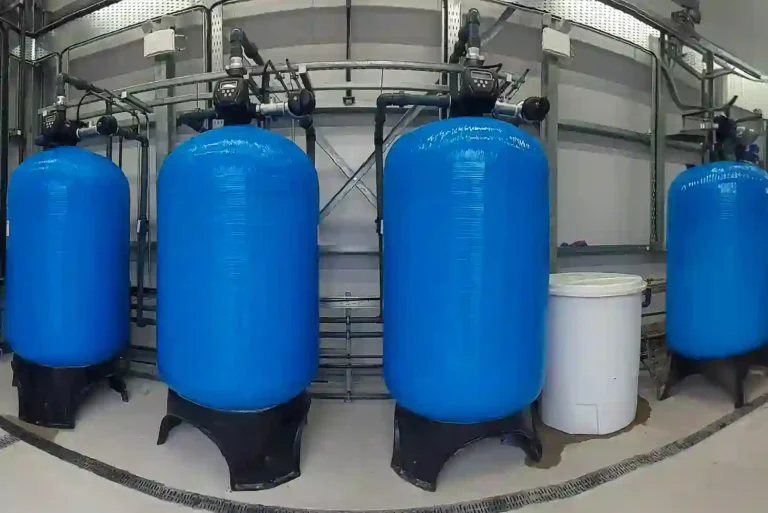
A traditional water softener is designed to reduce hardness minerals, typically through an ion-exchange process.
By lowering the concentration of calcium and magnesium in treated water, a softener can help reduce the conditions that lead to hardness-related scale and spotting.
That can make everyday cleaning easier.
Faucets may require less scrubbing. Shower glass may stay clearer for longer. Soap can rinse differently. Appliances that use water may also have less exposure to hardness minerals.
A softener isn’t a magic solution for every water problem, though. It doesn’t replace filtration designed for specific contaminants, and it should be selected according to actual water conditions.
Spotless Glassware Is About More Than Appearance
For anyone who entertains regularly, clean-looking glassware matters.
Nobody wants to pour a drink into a glass covered in cloudy mineral spots. Even when the glass is hygienically clean, residue can make it look neglected.
That’s why spotless dishes and stemware can be a surprisingly useful indicator of how water interacts with your daily cleaning routine.
If glassware consistently develops spots after washing, check the dishwasher’s settings, detergent, rinse aid, and water hardness before replacing the appliance.
A simple water test may reveal that the machine isn’t the main problem at all.
Don’t Forget Your Water Heater
Water quality doesn’t only affect what happens on the surface of your dishes.
Hard water can also contribute to scale inside water-heating equipment. When minerals accumulate on components exposed to heated water, heat transfer may become less efficient depending on the equipment and conditions.
That can potentially increase maintenance needs over time.
This is one reason water treatment can be viewed as part of general household maintenance rather than just a cosmetic improvement.
You’re not only trying to make the sink look better. You’re managing the environment your plumbing and appliances operate in every day.
Testing Is the Smart First Step
Before investing in treatment equipment, find out what is actually in your water.
Testing can help identify hardness and other characteristics that may influence treatment decisions. If you’re using private well water, regular testing can be particularly useful because the source may be affected by environmental and seasonal conditions.
A test doesn’t necessarily mean you’ll need an expensive system.
Sometimes the results confirm that a basic solution is enough. In other cases, they may reveal that hardness isn’t the real issue.
Either way, information is better than guessing.
Cleaning Existing Mineral Deposits
If you’ve already got years of mineral buildup, installing a softener won’t instantly remove it.
Existing deposits still need to be cleaned.
Use cleaning products appropriate for the surface you’re treating, and avoid abrasive materials that could scratch fixtures or glass. Vinegar or other mild acidic cleaners are sometimes used for mineral deposits, but compatibility varies by surface and manufacturer recommendations.
Once the source of new buildup is controlled, maintaining clean surfaces generally becomes easier.
It’s the difference between constantly mopping up a leak and finally fixing the pipe.
Appliances Need the Right Water Conditions
Dishwashers, washing machines, coffee makers, humidifiers, and other appliances all interact with household water differently.
Some may be more sensitive to mineral deposits than others. Manufacturers often provide recommendations regarding water hardness, detergent, temperature, and maintenance.
Following those guidelines is worthwhile.
If your appliances seem to require unusually frequent cleaning or descaling, consider whether water conditions could be contributing. Don’t assume they are, but don’t dismiss the possibility either.
A little investigation can save unnecessary repairs.
Is Whole-Home Treatment Necessary?
Not always.
If hardness affects the entire property, a whole-home softening system may be a practical choice. If the primary concern is drinking-water taste or a particular contaminant, a point-of-use filtration system could be more appropriate.
The treatment should match the problem.
Installing a large system simply because it sounds more comprehensive isn’t necessarily a good investment. You want equipment that performs a specific job reliably, without creating unnecessary maintenance or expense.
The Bigger Picture
Water is part of almost everything we do at home, yet we rarely think about its chemistry until something goes wrong.
If dishes keep spotting, bathroom fixtures develop scale, or cleaning seems harder than it should be, take a closer look at the water. Hardness may not explain every problem, but it’s a common factor worth investigating.
Start with testing. Review your cleaning routine and appliance settings. Then consider treatment if the results support it.
Good water doesn’t have to announce itself.
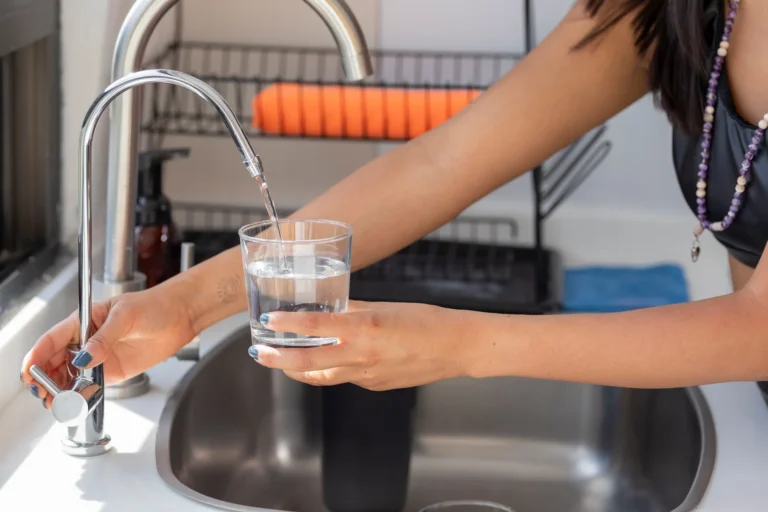
Sometimes, you notice it in the little things instead: a glass that finally looks clear, a faucet that stays cleaner, a dishwasher that performs more consistently, or a bathroom that feels easier to keep fresh.
Those aren’t dramatic changes. But in a busy home, small improvements can make everyday life feel noticeably better.