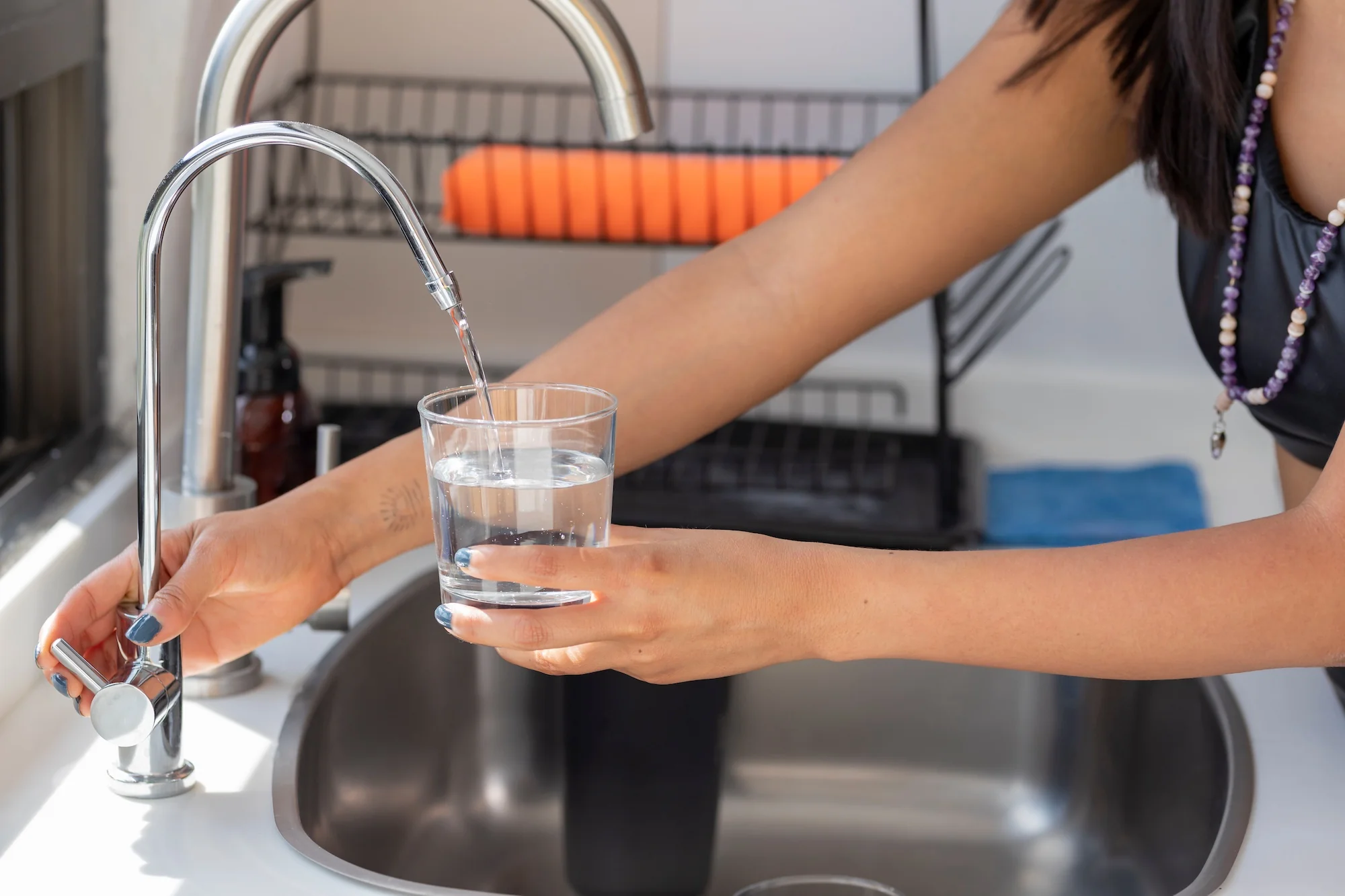
There’s something comforting about filling a glass straight from the kitchen tap. No bottles to carry, no plastic piling up in the recycling bin, no second thought about whether the water is going to taste strange.
Then one day, the water tastes different.
Maybe it has a faint mineral flavor. Perhaps coffee doesn’t taste quite right anymore. Or you notice that everyone in the house has quietly started reaching for bottled water instead. It’s a small change, but when drinking water becomes something you hesitate over, it gets old pretty quickly.
Fortunately, improving drinking water doesn’t necessarily mean making the entire plumbing system complicated. The right treatment depends on what’s actually in the water, what you want to improve, and how much water your household uses.
Start With Testing, Not Guesswork
Before choosing a filtration system, find out what you’re dealing with.
Water can contain naturally occurring minerals, sediment, iron and other substances that influence taste, odor or appearance. Municipal water supplies are treated before reaching homes, but the water can still pick up characteristics from distribution systems and household plumbing. Private wells can have an even wider range of conditions.
Testing gives homeowners something much more useful than a guess.
If the water is hard, you may need softening. If taste or odor is the main concern, another filtration method may be appropriate. If testing reveals a specific dissolved substance, the treatment should be selected around that finding.
In other words, don’t buy the equipment first and ask questions later.
Understanding Reverse Osmosis
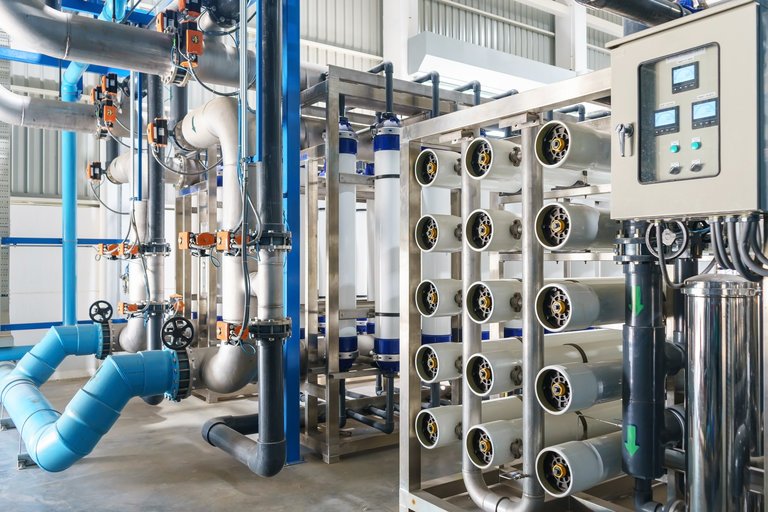
Reverse osmosis is one of the more familiar drinking-water treatment technologies, and for good reason. It can reduce many dissolved substances by forcing water through a semipermeable membrane under pressure.
For homeowners researching reverse osmosis drinking water in Lancaster, PA, the first step should still be understanding the home’s incoming water. A reverse osmosis system can be an excellent choice for certain drinking-water goals, but it isn’t automatically necessary for every household.
A typical system may include prefilters, the RO membrane and a post-filter. Some setups also include a storage tank and a dedicated faucet.
The exact configuration depends on water quality and household needs.
Why Drinking Water Can Taste Different
Taste is surprisingly personal.
One person may barely notice a mineral flavor while another immediately reaches for a bottle. Chlorine, dissolved minerals and naturally occurring compounds can all affect the way water tastes.
Even temperature can change perception. Cold water often tastes cleaner simply because cooler temperatures can reduce how strongly certain flavors are noticed.
Filtration can help with some taste concerns, but the treatment needs to match the source of the problem.
A carbon filter, for instance, is commonly used to improve certain taste and odor characteristics. Reverse osmosis takes a different approach and can reduce many dissolved substances.
There isn’t a single filter cartridge that does everything.
Cleaner Water Starts With the Right Goal
Homeowners often use the phrase “clean water” to mean different things.
Sometimes they mean water without an unpleasant taste. Sometimes they mean water with fewer dissolved substances. Someone else may be concerned about sediment or a specific result from laboratory testing.
Cleaner drinking water starts with defining what “cleaner” actually means for your household.
That’s why testing and clear treatment goals matter. They prevent homeowners from spending money on technology that isn’t addressing their real concern.
It also makes maintenance easier because you’ll know why the equipment is there and what it’s supposed to accomplish.
Don’t Forget About the Rest of the House
A drinking-water system can improve what comes from the kitchen faucet without changing the water used elsewhere.
That’s perfectly reasonable when drinking water is the main priority.
However, if the home also has hard water, iron staining or sediment throughout the plumbing, those issues may require a separate whole-home approach.
For example, a household might use a softener to manage hardness throughout the property and reverse osmosis at the kitchen sink for drinking and cooking.
The two systems have different jobs, and that’s okay.
Trying to make one system handle every water concern can actually make the setup more complicated than necessary.
Reverse Osmosis Has Maintenance Requirements
RO systems are effective when properly maintained, but they’re not completely hands-off.
Prefilters need replacement. The membrane has a service life. Post-filters also need periodic changes.
The schedule depends on water quality and system usage, so homeowners should follow the manufacturer’s recommendations rather than relying on a universal calendar.
Ignoring filter changes can affect performance and water quality. It can also put unnecessary strain on the membrane.
The good news is that routine maintenance is generally straightforward once you get into the habit.
Water Waste Is Worth Considering
Reverse osmosis systems can produce wastewater as part of the filtration process.
Modern systems can be designed for improved efficiency, but homeowners should still ask about the system’s recovery or waste ratio before installation.
This is one of those details that can be overlooked when people focus entirely on the quality of the treated water.
A good installation considers both performance and efficiency.
If you’re comparing systems, ask how much water is produced and how much is sent to drain. It’s a practical question, and a worthwhile one.
Bottled Water Isn’t the Only Alternative
Many people turn to bottled water when they don’t like the taste of their tap water. It’s convenient, sure, but the cost adds up.
A household that buys bottled water regularly may spend considerably more over time than it would maintaining a properly selected drinking-water system.
There’s also the everyday inconvenience of storing bottles, carrying them home and remembering to buy more.
A treatment system can make the kitchen tap a more appealing option, which is often the point. The best system isn’t the one that looks impressive under the sink. It’s the one that makes you comfortable reaching for the faucet.
Better-Tasting Water Can Change Small Habits
When water tastes good, people often drink more of it without thinking about it.
A glass beside the desk gets refilled. The reusable bottle actually gets used. Coffee tastes more balanced. Cooking water doesn’t carry an unwanted mineral flavor into soups, rice or pasta.
These are small things, but they add up.
Better-tasting drinking water isn’t just about satisfying a technical water-quality specification. It’s about making something people use every day more pleasant.
And sometimes that’s the improvement homeowners notice most.
Choose Treatment Based on Your Home
There’s no prize for installing the most complicated filtration system.
The smarter approach is to test the water, identify the actual concern and choose treatment that addresses it directly.
Some homes may benefit from reverse osmosis at the kitchen sink. Others may need carbon filtration, softening or another technology. A combination may make sense when the household has several different water concerns.
The right answer depends on the water and the people using it.
A Glass of Water Shouldn’t Require a Second Thought
Good drinking water should feel simple.
You turn on the faucet, fill your glass and drink. You shouldn’t have to wonder about an unpleasant taste every time or keep a backup case of bottled water in the pantry just in case.
Getting there starts with understanding the water rather than guessing.
Test it. Identify what you want to improve. Choose treatment that fits those needs, and keep up with routine maintenance.
Once the system is doing its job, the best part is that you may barely notice it. The water simply tastes better, the kitchen becomes more convenient, and reaching for the tap becomes an easy everyday habit again.