A water treatment system is one of those home improvements you don’t think much about when everything is working properly. You turn on the faucet, fill a glass, take a shower, wash the dishes, and move on with your day.
That’s actually the point.
Good water treatment should make everyday life easier, not give you another complicated household chore. But getting that kind of experience depends on more than simply buying a filtration or softening system. The equipment needs to be selected correctly, installed properly, and looked after once it’s in place.
A system that fits your water and household needs can quietly do its job for years. A poorly matched or neglected system can become a source of leaks, pressure problems, disappointing water quality, and unexpected expenses.
The difference often comes down to what happens before and after installation.
Start With Understanding the Water
Before anyone recommends equipment, there should be a basic conversation about your water.
Where does it come from? Is it municipal or well water? Have you noticed changes in taste, odor, color, or pressure? Are you dealing with scale on fixtures or sediment in faucets? How many people use the home every day?
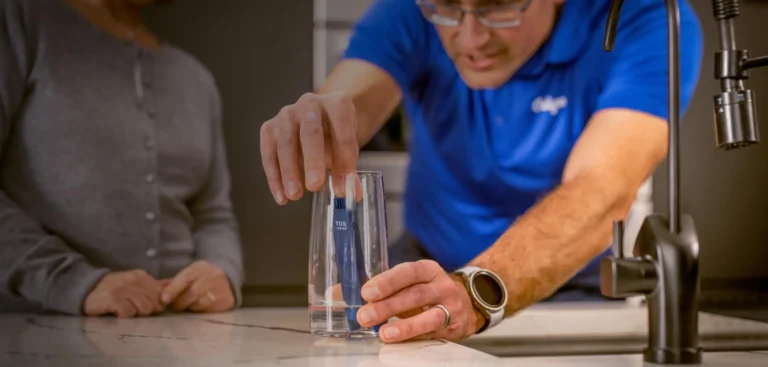
Water testing can add another layer of useful information.
A test may identify characteristics such as hardness, pH, iron, manganese, dissolved solids, or other factors depending on what is being measured. The results help determine whether filtration, softening, reverse osmosis, disinfection, or another approach makes sense.
Without that information, treatment selection can become a guessing game.
The Right Equipment Is About Fit
It’s easy to compare systems by capacity, number of filter stages, or price. Those details matter, but they’re not the whole story.
A treatment system should match the home’s water demand and the specific problem being addressed.
A small household with a drinking-water concern may have very different needs from a large family dealing with hard water throughout the property. Likewise, private well water can require a different approach from a treated municipal supply.
The goal isn’t to install the most equipment possible. It’s to install equipment that has a reason for being there.
Installation Can Affect Everything
Even excellent equipment can underperform if it’s installed incorrectly.
Connections must be secure. Flow direction needs to be correct. Valves should be configured properly. Drainage requirements need to be considered. Equipment should have enough room for future filter changes and service.
Water pressure is another important factor.
Some treatment technologies require adequate pressure to operate effectively, while clogged filters can eventually restrict flow. An installer should consider the existing plumbing rather than treating the new system as if it’s operating in isolation.
This is where expert installation & support can make the experience much easier. Proper installation reduces avoidable problems and gives homeowners someone to turn to when questions arise later.
Why System Placement Matters
Treatment equipment needs a sensible home of its own.
Installing it in a cramped corner may save space today but make maintenance frustrating tomorrow. Filter housings should be reachable. Tanks need appropriate clearance. Shutoff valves should be accessible.
It sounds obvious, yet these practical details are easy to overlook when the priority is simply getting the equipment installed.
Think about the next five years, not just the next five minutes.
Someone will eventually need to change a filter, inspect a connection, or troubleshoot the system. Make that job reasonably comfortable.
Consistent Water Quality Takes Maintenance
One of the biggest misconceptions about water treatment is that installation is the finish line.
It’s really the beginning.
Filters collect the material they’re designed to remove. Carbon media has a service life. Reverse osmosis membranes gradually lose performance. Softening systems require attention to salt and settings.
If maintenance is skipped, water quality may slowly change.
That’s part of why consistent quality isn’t something a treatment system can simply promise forever. It depends on proper equipment selection, normal operating conditions, and regular maintenance.
A calendar reminder for filter changes may seem almost too simple, but it can prevent the “I forgot about that filter for eighteen months” situation that many homeowners eventually find themselves in.
Watch for Small Changes
Your water often gives you clues before equipment fails completely.
A noticeable change in taste may indicate a filter that needs replacement. A drop in flow could point to a clogged cartridge or another restriction. Unusual noises may deserve inspection.
Don’t automatically assume every change means the system needs to be replaced.
Sometimes the fix is surprisingly small.
A professional can determine whether the issue is related to the treatment equipment, household plumbing, water pressure, or a change in the incoming supply.
Filters Are Not Interchangeable
Replacement filters can look deceptively similar.
But the correct replacement depends on the equipment and the treatment goal. Using an incompatible cartridge can reduce performance or create installation problems.
Keep track of the filter model and replacement schedule. If you’re unsure, check the manufacturer’s specifications or ask the service provider.
It’s not worth saving a few minutes by installing the wrong part.
Salt-Based Systems Need Their Own Attention
Water softeners operate differently from basic filtration systems.
They typically use an ion-exchange process to reduce hardness, and many systems rely on salt or another regeneration medium. The exact requirements vary by equipment and water conditions.
Running out of salt can prevent a system from operating as intended. On the other hand, simply adding more without understanding the equipment isn’t necessarily the best approach.
Settings, regeneration frequency, household water use, and incoming hardness all play a role.
Regular checks can help keep the system operating efficiently without unnecessary consumption.
Drinking-Water Systems Have Different Priorities
Point-of-use systems, including reverse osmosis equipment, are often designed to treat water used for drinking and cooking.
Because the treatment is focused, maintenance matters. Filters and membranes have specific service lives, and performance can change if they are neglected.
If your household relies heavily on treated drinking water, pay attention to production speed and taste. A gradual change may be easy to overlook because it happens slowly.
Don’t wait until the water tastes dramatically different before checking the system.
Dependability Comes From Good Habits
People often use the word dependable performance as if it’s a feature you can buy on a product specification sheet.
In reality, reliability is usually the result of several things working together.
The system needs to be appropriate for the water. It needs to be correctly sized. Installation needs to be done properly. Filters and other components need routine service. Problems should be addressed before they become major failures.
No machine is maintenance-free forever.
The good news is that water-treatment maintenance is usually predictable when the system has been properly planned.
Professional Support Is Useful When Things Get Complicated
Some maintenance jobs are straightforward enough for homeowners. Others aren’t.
If you’re dealing with persistent leaks, unexplained pressure changes, recurring sediment, unusual water taste, or equipment that isn’t regenerating properly, professional troubleshooting can save considerable time.
Instead of replacing parts randomly, a technician can inspect the system and determine what is actually happening.
That approach is especially useful when multiple treatment technologies are connected together.
Don’t Forget About Long-Term Costs
The purchase price is only part of the cost of owning a water-treatment system.
Think about replacement filters, salt, electricity where applicable, water consumption, service visits, and eventual component replacement.
A cheaper system isn’t necessarily cheaper to own if its replacement parts are expensive or difficult to find.
Likewise, paying more doesn’t automatically guarantee better results.
Look for a system that balances performance, maintenance, availability of parts, and the actual needs of the household.
Good Support Makes the Equipment Easier to Live With
A treatment system should eventually become part of the background.
You shouldn’t need to constantly wonder whether it’s working. You should know when maintenance is due, what the equipment is doing, and who to contact if something goes wrong.
That confidence comes from good planning and ongoing care.
The most useful water-treatment setup isn’t necessarily the most sophisticated. It’s the one that’s correctly matched to the home, installed with care, and supported throughout its service life.
When those pieces are in place, water treatment stops feeling like another technical project.
It simply becomes part of how the house works — quietly, consistently, and without demanding much attention.
And honestly, that’s probably the best outcome of all.