Water treatment is one of those subjects people tend to think about only when something goes wrong. A strange smell comes from the tap. A glass has tiny particles floating in it. Equipment starts collecting scale. At a business, perhaps customers notice the taste of the water, or an appliance that depends on clean water needs repairs more often than expected.
These aren’t always dramatic problems, but they can become irritating—and sometimes expensive—if they’re ignored.
The interesting part is that water treatment isn’t one single process. Different water supplies have different characteristics, and different problems require different solutions. A family using well water may have completely different priorities from a restaurant, office building, or manufacturing facility.
The smartest approach is to understand the water first, then choose treatment that makes sense for the situation.
Start With What’s Actually in the Water
Clear water isn’t necessarily problem-free water.
Dissolved minerals, sediment, microorganisms, metals, and other substances may not be visible at all. Meanwhile, something that looks unpleasant, such as cloudy water, may sometimes have a relatively simple explanation.
That’s why water testing is such a useful first step.
Testing can provide information about hardness, pH, iron, manganese, dissolved solids, and other characteristics. More targeted testing may be appropriate if there’s a concern about a particular contaminant.
Without that information, it’s easy to buy equipment based on assumptions. And water treatment equipment isn’t cheap enough to treat guessing as a good strategy.
Where UV Disinfection Fits
Ultraviolet treatment takes a different approach from filters and membranes.
uv water disinfection systems use ultraviolet light to inactivate certain microorganisms as water passes through the treatment chamber. Unlike chemical disinfection, the process doesn’t add a disinfectant to the water.
UV can be particularly useful in situations where microbiological treatment is an important concern, including some private-well applications.
There is an important catch, though: UV treatment doesn’t remove sediment, hardness, or dissolved minerals. Water often needs to be properly pretreated so that the UV light can work effectively.
In simple terms, UV is a tool with a specific job—not a universal filter.
Specialty Filters Have a Purpose
Some water problems don’t respond well to general-purpose filtration.
Maybe the issue is iron. Maybe there is an unusual odor. Perhaps a particular chemical or dissolved substance has been identified through testing.
That’s where specialty water filters can become useful. These systems are designed around particular water-quality concerns and may use specialized media or treatment methods.
The important word is “specialty.”
You shouldn’t choose one simply because the product sounds sophisticated. Its treatment capability should correspond to something actually present in your water.
A good water professional can help connect test results to an appropriate treatment method rather than throwing every available technology at the problem.
Commercial Water Treatment Is a Different Conversation
A small office and a busy food-service facility don’t use water in the same way.
Commercial properties may have higher flow rates, longer operating hours, multiple fixtures, and equipment that depends heavily on water quality.
commercial water treatment systems therefore need to be evaluated around usage, capacity, water chemistry, and operational requirements—not just the size of the building.
A restaurant, for example, may care deeply about taste, hardness, and equipment protection. A manufacturing operation may have much more specific water-quality requirements tied to its processes.
The treatment system has to keep up with the real workload.
Flow Rate Matters More Than People Expect
A treatment system can perform beautifully in a laboratory-style scenario and still be a poor fit for a busy property if it can’t handle the required flow.
Imagine a building where several sinks, showers, appliances, and process lines are operating at the same time.
If the system is undersized, pressure can suffer.
When evaluating equipment, consider peak demand rather than average daily consumption alone. Ask about rated flow, pressure requirements, recovery rates, and how performance changes under real operating conditions.
This is particularly important for commercial applications, where a water restriction can interfere with normal business operations.
Sediment Can Cause Trouble Downstream
Sediment doesn’t always look dramatic.
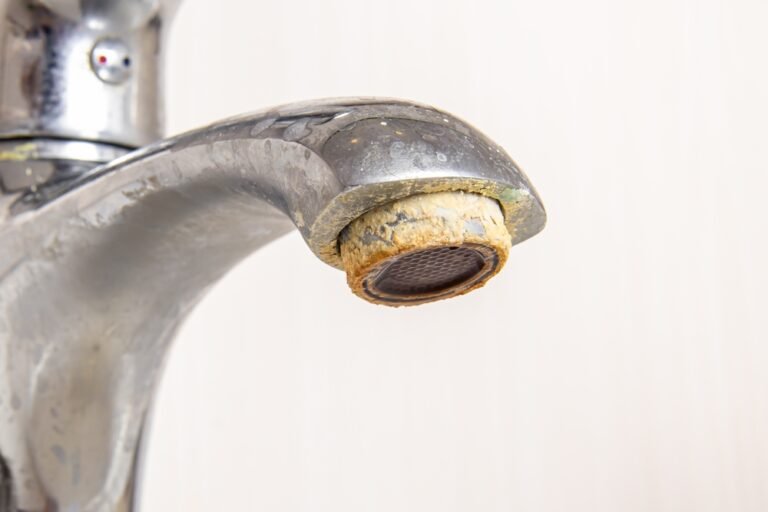
Fine particles can collect in faucet aerators, valves, appliances, and filters. Larger amounts may reduce flow or place additional strain on treatment equipment.
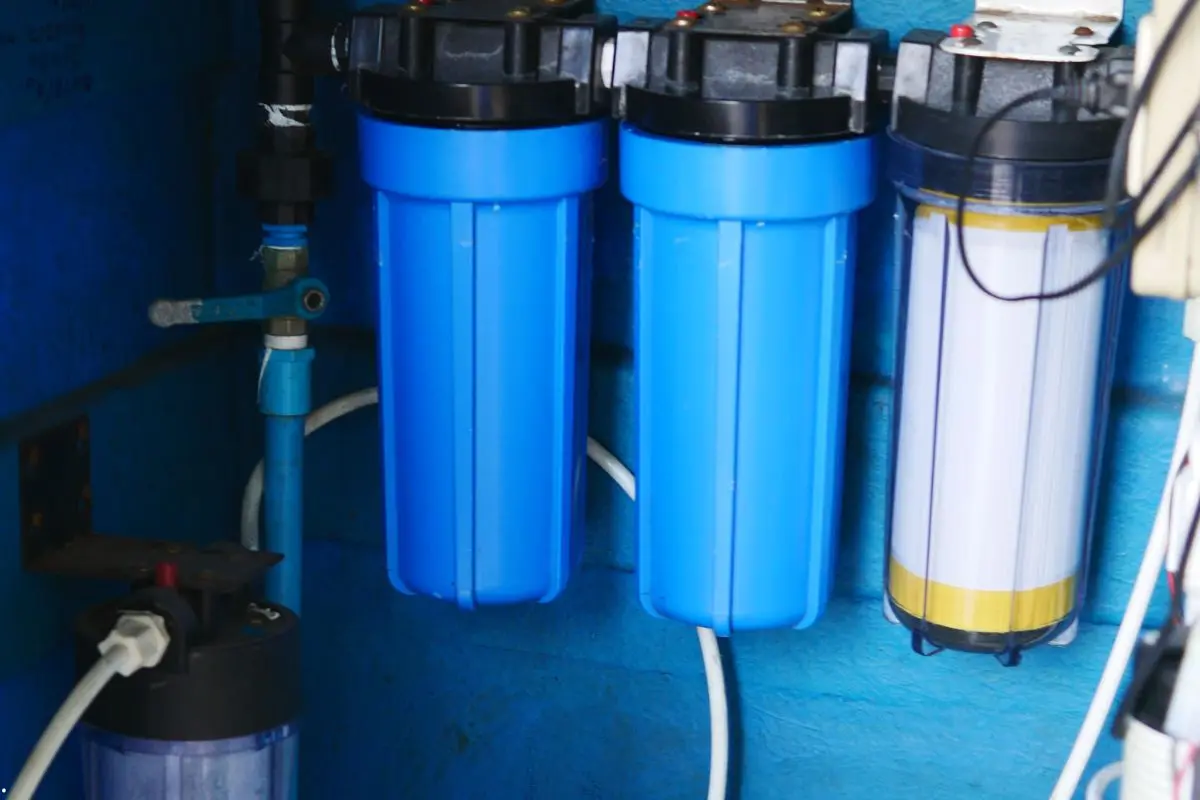
A sediment pre-filter can often serve as the first line of defense, depending on the water source.
But again, sizing matters. A filter that is too small can become clogged quickly, especially when incoming water contains significant particulate matter.
If sediment levels change suddenly, it’s also worth investigating why rather than simply replacing cartridges more often.
Hard Water Has a Long Memory
Hard water can be frustrating because its effects accumulate.
Minerals such as calcium and magnesium can create scale on fixtures, heating elements, appliances, and plumbing surfaces. Over time, that buildup can become a maintenance nuisance.
A water softener may be appropriate when hardness is the main issue.
But hardness isn’t the same thing as contamination, and a softener isn’t designed to solve every water-quality problem.
Testing helps determine how significant the hardness actually is and whether treatment would provide a meaningful benefit.
Taste and Odor Shouldn’t Be Ignored
Water that smells unusual isn’t necessarily unsafe, but persistent changes shouldn’t simply be accepted.
Chlorine, sulfur compounds, iron, organic material, and other factors can affect taste and odor depending on the source.
Carbon filtration is commonly used for certain taste and odor concerns, while other problems require different technologies.
The important thing is to identify the cause before choosing treatment. Otherwise, you may end up with a system that makes a small improvement while leaving the actual problem untouched.
Maintenance Is Part of the System
One of the most overlooked parts of water treatment is what happens after installation.
Filters need replacing. UV lamps have service requirements. Treatment media can eventually lose effectiveness. Pumps, valves, sensors, and fittings can wear.
A system that isn’t maintained properly may gradually deliver less effective treatment without failing completely.
Set reminders for routine service. Keep records of filter changes. Know what components your system contains and roughly when they should be inspected.
It’s much easier to maintain equipment when you know what you’re maintaining.
Don’t Forget Water Efficiency
Some treatment technologies consume or discharge water as part of their operation.
Reverse osmosis, for example, produces a concentrated reject stream. Commercial facilities may have additional considerations around wastewater, process water, and overall consumption.
If water efficiency matters to your home or business, include it in the purchasing decision.
Ask how much water the system uses, what recovery rate it achieves, and whether newer equipment offers improved efficiency.
A treatment system should improve water quality without creating unnecessary waste where practical.
Professional Installation Can Prevent Headaches
Water treatment systems aren’t simply plug-and-play appliances.
Correct plumbing, pressure, drainage, electrical connections, flow direction, and equipment spacing all matter.
Professional installation can also help ensure the system is configured for the actual water conditions and expected demand.
For larger commercial systems, installation becomes even more important because mistakes can affect an entire operation.
The cheapest installation isn’t necessarily the least expensive option in the long run.
Think Long Term
A water treatment system should be considered as an ongoing investment, not a one-time purchase.
Look at initial equipment cost, installation, replacement filters, energy or water consumption, service requirements, and expected lifespan.
A slightly more expensive system may make more sense if it offers easier maintenance or better efficiency. On the other hand, an oversized system can create unnecessary expense without providing a meaningful benefit.
There is a sweet spot. Finding it requires a little planning.
Good Treatment Starts With Good Questions
The best water treatment decisions aren’t usually made by chasing the newest technology.
They’re made by asking practical questions.
What’s in the water? What needs to be reduced? Where does treated water need to go? How much water is used? What maintenance will be required? What will the system cost to operate five years from now?
Once those questions are answered, the equipment becomes much easier to choose.
Whether you’re protecting a family kitchen or keeping a commercial operation running smoothly, effective water treatment should feel purposeful rather than excessive.
You don’t need a complicated collection of equipment just for the sake of having it. You need the right tools for the water in front of you.
And when that balance is right, the result is wonderfully ordinary: water that behaves the way you expect, equipment that works reliably, and one less household or business problem demanding your attention.