Water is one of those things businesses depend on without giving it much thought. It comes through the pipes, gets used in equipment, ends up in coffee cups and sinks, and then disappears down the drain. Most days, nobody notices.
Until they do.
A strange taste in drinking water, scale around fixtures, cloudy ice, declining equipment performance or an unexpected maintenance bill can quickly turn water into a business concern. And because commercial facilities often use far more water than a typical home, even a relatively minor water-quality issue can have a larger operational impact.
The sensible response isn’t necessarily to install the biggest treatment system available. It’s to understand what’s happening first, then build a solution around the actual needs of the property.
Begin With the Source
Every commercial property has a slightly different water story.
Municipal water may bring concerns about chlorine taste, hardness or aging plumbing. A private well can have its own combination of minerals, sediment, iron or other characteristics. Manufacturing and food-service operations may have additional process requirements that aren’t relevant to an ordinary office.
That’s why commercial water analysis is such a useful starting point.
Testing can help establish a baseline for the water entering the facility. Depending on the application, analysis might examine hardness, pH, iron, sediment, dissolved solids and other characteristics. Specific contaminants may require specialized testing.
Without this information, treatment selection becomes guesswork. And guesswork gets expensive surprisingly quickly.
The Water Quality You Need Depends on the Job
Not every gallon used by a business needs to meet the same treatment target.
Water used for flushing toilets obviously has different requirements from water used to make espresso. Boiler feedwater may have different specifications again. A manufacturing process can be even more particular.
This is one reason a single, building-wide treatment approach doesn’t always make sense.
Instead, think about how water is being used. Identify the applications where quality matters most, then decide what treatment is appropriate for each one.
Sometimes simple filtration is enough. Other situations call for softening, reverse osmosis, disinfection or a combination of technologies.
Where Reverse Osmosis Fits
Reverse osmosis has become a familiar term in commercial water treatment, particularly in food service, hospitality and manufacturing.
The technology uses a semipermeable membrane to reduce many dissolved substances. It can be useful when an application needs water with lower dissolved mineral content than standard filtration can provide.
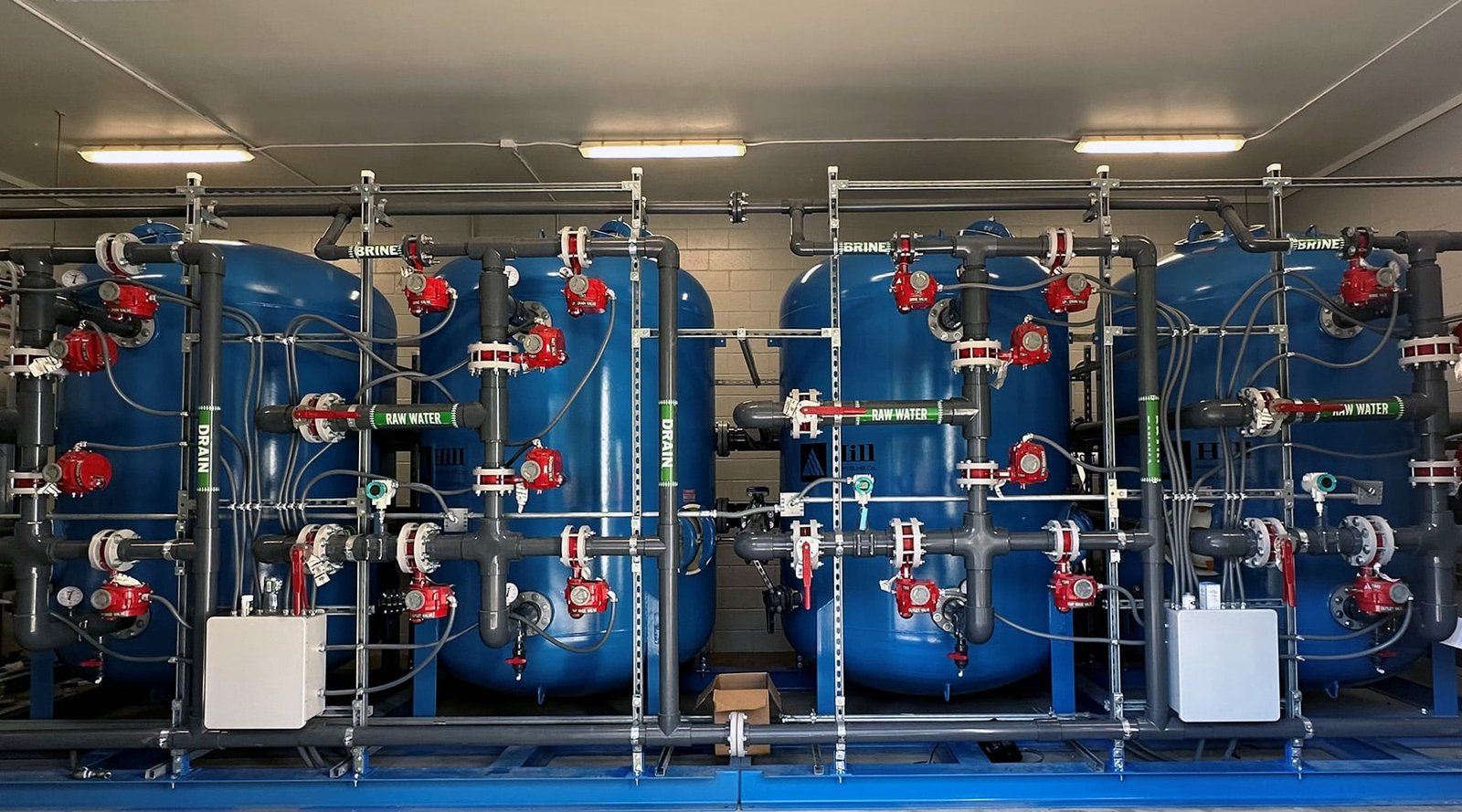
For businesses considering commercial ro & purification solutions, the important thing is to look beyond the equipment itself. RO performance depends on incoming water conditions, pressure, pretreatment, membrane quality and maintenance.
There is also wastewater to consider. Reverse osmosis normally produces a concentrate stream, so water efficiency should be part of the planning process.
RO can be an excellent tool. It just shouldn’t be installed simply because it’s considered “advanced.”
Hard Water Has a Long Memory
Hard water tends to leave evidence behind.
You see it as white scale on faucets, cloudy glassware and deposits around heating equipment. But some of the more expensive effects happen out of sight.
Mineral deposits can accumulate inside water heaters, dishwashers, boilers and other equipment. Over time, those deposits may contribute to maintenance requirements and reduced operating efficiency.
Water softening can reduce hardness minerals, while scale-control technologies take a different approach. The appropriate option depends on the facility’s water chemistry and objectives.
For businesses using large amounts of hot water, addressing hardness early can be a worthwhile preventative measure.
Sometimes the Problem Is Taste, Not Safety
Water can meet applicable quality standards and still taste unpleasant.
Chlorine is a familiar example. Certain minerals can create metallic flavors, while sulfur compounds can produce an unmistakable odor.
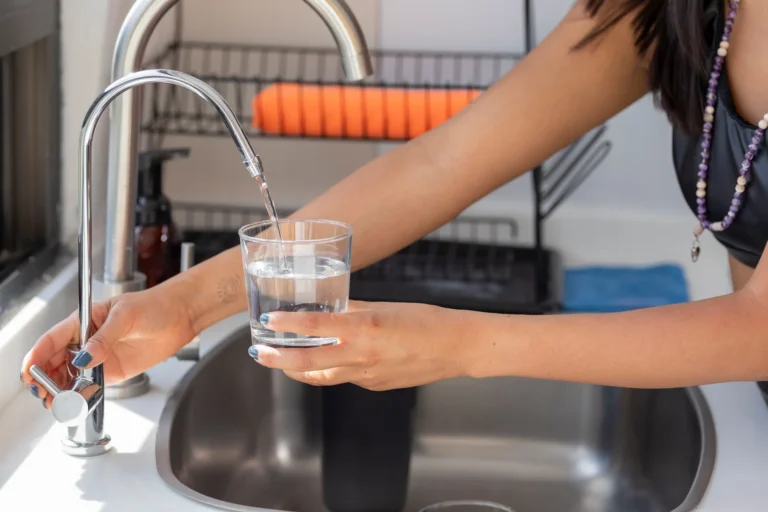
For restaurants, hotels, offices and cafés, these details matter because drinking water is part of the customer and employee experience.
Filtration technology can address some taste and odor concerns, but the cause should be identified first. Installing a filter without knowing what you’re trying to reduce isn’t a particularly scientific approach.
A quick test and professional assessment can often narrow the choices considerably.
Specialized Problems Deserve Specialized Solutions
Commercial water problems aren’t always straightforward.
A facility may have iron staining in one area, sediment in another and a specific water-quality requirement for a piece of production equipment.
That’s where targeted treatment for specific concerns becomes valuable.
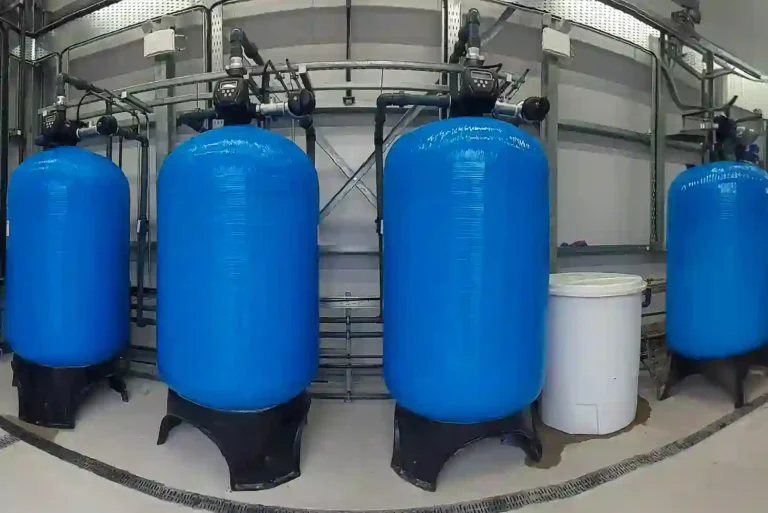
Instead of treating every gallon with an unnecessarily complicated system, a business can focus treatment where it provides the greatest benefit. That might mean a whole-building filter for sediment, a softener for hardness, a dedicated RO system for a process line or a point-of-use filter for drinking water.
Good treatment design is often about precision rather than complexity.
Don’t Forget Peak Flow
Commercial water usage can change dramatically throughout the day.
A restaurant may use enormous amounts of water during meal service. A hotel might experience a morning surge. A gym can have heavy usage after work.
Treatment equipment needs to handle those peaks.
When sizing a system, look at flow rate and pressure requirements rather than relying solely on average daily consumption. A system that works beautifully during a quiet afternoon may struggle when several fixtures are operating simultaneously.
This is one of those technical details that can make the difference between a system that feels invisible and one that constantly causes complaints.
Maintenance Is Part of the System
Water treatment equipment isn’t a one-and-done purchase.
Filters need replacement. RO membranes require monitoring. Softening equipment may need salt and service. Pumps, valves and controls can eventually require attention.
The maintenance plan should be established before installation.
Businesses should know what components need regular replacement, how frequently service is recommended and what those costs are likely to be. Keeping records can also help identify changes in water quality or system performance.
Neglecting maintenance can undermine even a very good treatment system.
Efficiency Matters, Too
Water treatment should solve a problem without creating unnecessary waste.
Some systems use more water than others. Some require electricity. Certain technologies consume replacement media or chemicals.
These operating costs can become significant in a commercial environment.
When comparing options, look at the full life-cycle cost rather than just the initial purchase price. A slightly more expensive system might prove more economical if it uses fewer consumables, requires less service or lasts longer.
On the other hand, an overly sophisticated system may add costs without adding meaningful value.
Balance matters.
Don’t Let the Sales Pitch Choose for You
Water-treatment terminology can sound impressive. “Advanced,” “high performance,” “complete purification”—these phrases are easy to put on a brochure.
What matters is the actual performance.
Ask what a system is designed to reduce. Ask under what conditions those claims apply. Request relevant performance data or certification where appropriate. Most importantly, ask what the system doesn’t do.
A trustworthy water-treatment professional should be comfortable discussing limitations.
No treatment technology removes every possible water-quality concern, and pretending otherwise doesn’t help anyone.
Build a Solution That Makes Sense Five Years From Now
The best commercial water strategy isn’t simply the one that fixes today’s problem.
It should also make sense for future usage.
Is the business expanding? Will another production line be added? Is a restaurant planning a kitchen renovation? Could water demand increase over the next few years?
These questions are worth asking before equipment is installed. Planning for reasonable growth can prevent another major investment shortly afterward.
At the same time, don’t oversize equipment dramatically based on hypothetical future needs. There’s a middle ground.
Good Water Treatment Is Mostly About Thoughtful Planning
Commercial water quality doesn’t have to become a complicated engineering puzzle.
Start with testing. Understand the source. Identify where water quality affects the operation. Consider peak demand, maintenance and long-term costs. Then choose technologies that address those specific needs.
For some businesses, the answer may be relatively simple. Others may need several treatment stages working together.
What matters is that every part of the system has a reason for being there.
When water treatment is properly planned, the benefits are often subtle but meaningful. Equipment runs more reliably. Drinking water tastes better. Maintenance becomes more predictable. Staff spend less time dealing with avoidable problems.
Water will probably never become the most exciting part of running a business. It doesn’t need to be.
If the treatment system is doing its job quietly in the background, that’s usually a sign that you’ve made the right choice.