There are parts of a home you notice every day, and then there are the parts you almost never think about. Sewer pipes and gas lines definitely belong in the second category.
They run quietly beneath floors, through walls, and underground outside the house. You turn on the stove, flush the toilet, or take a shower without giving much thought to the network making all of it possible.
That is, until something goes wrong.
A strange smell in the kitchen. A toilet that suddenly bubbles. A drain that keeps backing up. A patch of wet soil in the yard when it hasn’t rained. These signs can be easy to dismiss, especially when the rest of the house seems perfectly normal.
But plumbing problems tend to reward early attention. The sooner you understand what a symptom might mean, the more options you usually have.
Gas Problems Should Never Be Taken Lightly
Natural gas is an incredibly useful energy source for many homes. It can power cooking appliances, water heaters, furnaces, fireplaces, and other equipment.
The concern isn’t normal operation. It’s an unexpected release of gas.
Gas leaks can create serious safety risks, which is why a suspected leak should never be treated like an ordinary plumbing inconvenience. If you smell gas, leave the area and follow local emergency procedures. Don’t use flames, electrical switches, or anything else that could potentially create an ignition source.
Avoid trying to locate or repair a suspected leak yourself. Qualified professionals have the equipment and training needed to investigate the system safely.
It may feel excessive to call for help when you’re not completely sure there’s a problem. In this situation, being cautious is the sensible choice.
What a Gas Leak Might Look Like
Gas itself can be difficult to detect, which is why an odorant is commonly added to natural gas so leaks are easier to notice.
A sulfur-like or rotten-egg smell is one well-known warning sign.
Other possible clues include unusual hissing sounds near piping or appliances, damaged connections, or gas appliances that aren’t behaving normally.
These symptoms don’t necessarily prove that a leak exists, but they shouldn’t be ignored.
When it comes to gas, uncertainty is a reason to seek professional assistance rather than a reason to wait.
Sewer Problems Often Begin Quietly
Sewer issues usually don’t arrive with a dramatic announcement.
Instead, the early signs may be a slow bathtub drain, a toilet that doesn’t flush properly, or an unpleasant smell near a sink.
Then perhaps another drain begins acting strangely.
If multiple fixtures are affected around the same time, the problem could be farther down the sewer system. A blockage, root intrusion, damaged pipe, or buildup can interfere with the flow leaving the property.
Sewer backups can become particularly disruptive because wastewater may enter areas of the home that were never meant to deal with it.
And once wastewater is involved, cleanup becomes more than a simple plumbing repair.
Don’t Ignore Recurring Drain Problems
It’s normal for a household drain to clog occasionally.
Hair gets into bathroom drains. Food particles find their way into kitchen plumbing. Soap residue and mineral deposits accumulate over time.
The concern is repetition.
If the same drain keeps clogging after you’ve cleared it, there may be a deeper issue. Repeatedly treating the symptom without finding the cause can become an expensive cycle.
A professional inspection may reveal a blockage farther down the line, tree roots, damaged piping, or another problem that a basic drain cleaner can’t solve.
Sometimes the most useful thing a plumber can do is explain why the clog keeps coming back.
Your Yard Can Reveal Hidden Problems
Underground plumbing doesn’t always announce itself inside the house.
Walk around your property occasionally and look for changes. An unusually green patch of grass, soggy ground, standing water, or an area that seems permanently damp can sometimes indicate an underground leak.
Of course, there are other explanations. Irrigation problems, poor drainage, and recent weather can produce similar signs.
But when unusual ground conditions appear alongside recurring plumbing problems, it’s worth investigating.
Underground infrastructure is expensive to replace, so knowing where a problem is located before starting major work can save both time and money.
Tree Roots Are a Common Culprit
Trees and sewer lines don’t always coexist peacefully.
Roots naturally seek water and nutrients. If an older sewer pipe has a small crack or loose joint, roots may find their way inside. Once established, they can grow and collect debris, gradually reducing the available space for wastewater.
The result may be recurring clogs or backups.
A sewer camera inspection can often provide a clear view of the inside of the pipe without immediately requiring excavation.
That information can help determine whether cleaning is enough or whether structural repair is necessary.
Technology Has Changed the Way Plumbing Problems Are Found
Plumbing diagnosis used to involve a fair amount of educated guessing.
Today, professionals have access to cameras, electronic locating equipment, pressure testing tools, and other technology that can make investigations much more precise.
That doesn’t mean every problem requires sophisticated equipment.
But when a line is buried underground or hidden behind a wall, knowing exactly where the issue is can make a huge difference.
Instead of opening up large areas and hoping the problem is found, technicians can often gather information first and then recommend a targeted solution.
It’s a more thoughtful approach—and usually a less disruptive one.
When Professional Help Makes Sense
Homeowners can handle plenty of basic maintenance.
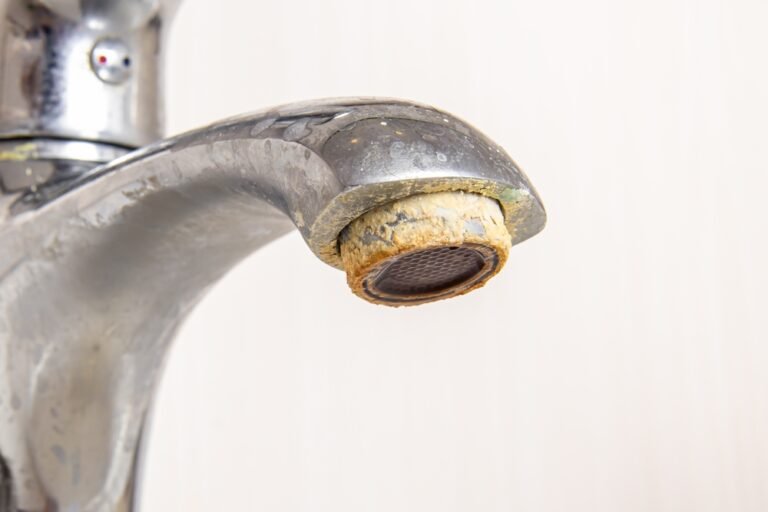
You can clean faucet aerators, remove visible hair from a drain strainer, replace some simple fixtures, and keep inappropriate items out of toilets.
Gas piping and underground sewer infrastructure are different matters.
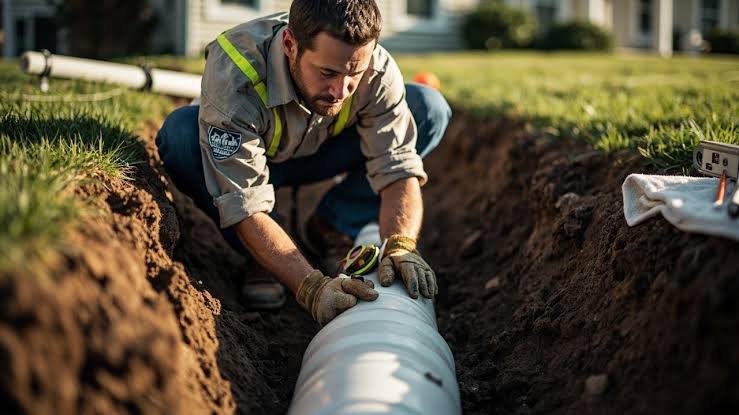
Professional gas and sewer line services can include inspection, diagnosis, repairs, installation, maintenance, and replacement, depending on the condition of the system.
The advantage isn’t simply having someone else do the work. It’s having someone who understands how the system is supposed to operate and can identify problems that aren’t obvious to an untrained eye.
Repairs and Replacement Are Not the Same Thing
A damaged pipe doesn’t automatically mean the entire system needs to be replaced.
If the problem is localized and the rest of the line is in good condition, a targeted repair may be reasonable.
On the other hand, an older line with repeated failures, extensive corrosion, root damage, cracks, or structural deterioration may justify replacement.
The right decision depends on the specific circumstances.
That’s why a professional assessment is valuable before committing to major work. You want to know what you’re paying to fix—and why.
Prevention Is Mostly About Paying Attention
There is no maintenance routine that can guarantee plumbing will never fail.
Pipes age. Soil shifts. Roots grow. Appliances wear out.
Still, homeowners can reduce surprises by paying attention to changes.
Don’t ignore recurring drain problems. Know where your main water shutoff is located. Keep an eye on visible pipes and connections. Learn what a suspected gas leak may smell like, and know what to do if you encounter one.
Small habits don’t feel important until the day they are.
A Little Preparation Goes a Long Way
Nobody wants to think about sewer backups or gas problems while enjoying a quiet evening at home.
Fortunately, you don’t need to spend your weekends worrying about pipes.
You simply need to recognize the warning signs and know when a problem has moved beyond the basic DIY category.
A strange gas odor deserves immediate caution. Repeated sewer issues deserve investigation. Unexplained moisture or changes in drainage shouldn’t automatically be written off.
Your home’s plumbing infrastructure may be hidden, but it isn’t unknowable.
With sensible maintenance, professional inspections when needed, and a willingness to act when something seems wrong, you can catch many problems before they become full-blown emergencies.
And when everything is working quietly in the background again, that’s the best outcome of all.