Buying a water treatment system can feel like the finish line. You’ve compared options, looked at specifications, checked the price, and finally made a decision. The box arrives, the equipment gets installed, and you expect the water to take care of itself from there.
It rarely works quite that neatly.
A treatment system is only one part of the equation. How it is installed, how it is configured, and what happens when something changes can have just as much influence on long-term performance. Even a well-designed system can struggle if it’s poorly fitted or never serviced.
That’s why homeowners should think beyond the equipment itself. Good water treatment is less about owning a fancy device and more about having a setup that works reliably in the real world.
Installation Is More Than Connecting Pipes
At first glance, installing a filter or softener might look straightforward. Connect the inlet, connect the outlet, attach the drain line, plug it in if necessary, and you’re done.
Except there are plenty of details that can be missed.
Water pressure, flow rate, pipe sizing, drainage, electrical requirements, bypass arrangements, available space, and local plumbing conditions can all affect the installation.
A professional installation helps ensure that the equipment is positioned and connected correctly for the application. It can also reduce the likelihood of leaks, poor drainage, incorrect flow direction, or settings that don’t match the household’s needs.
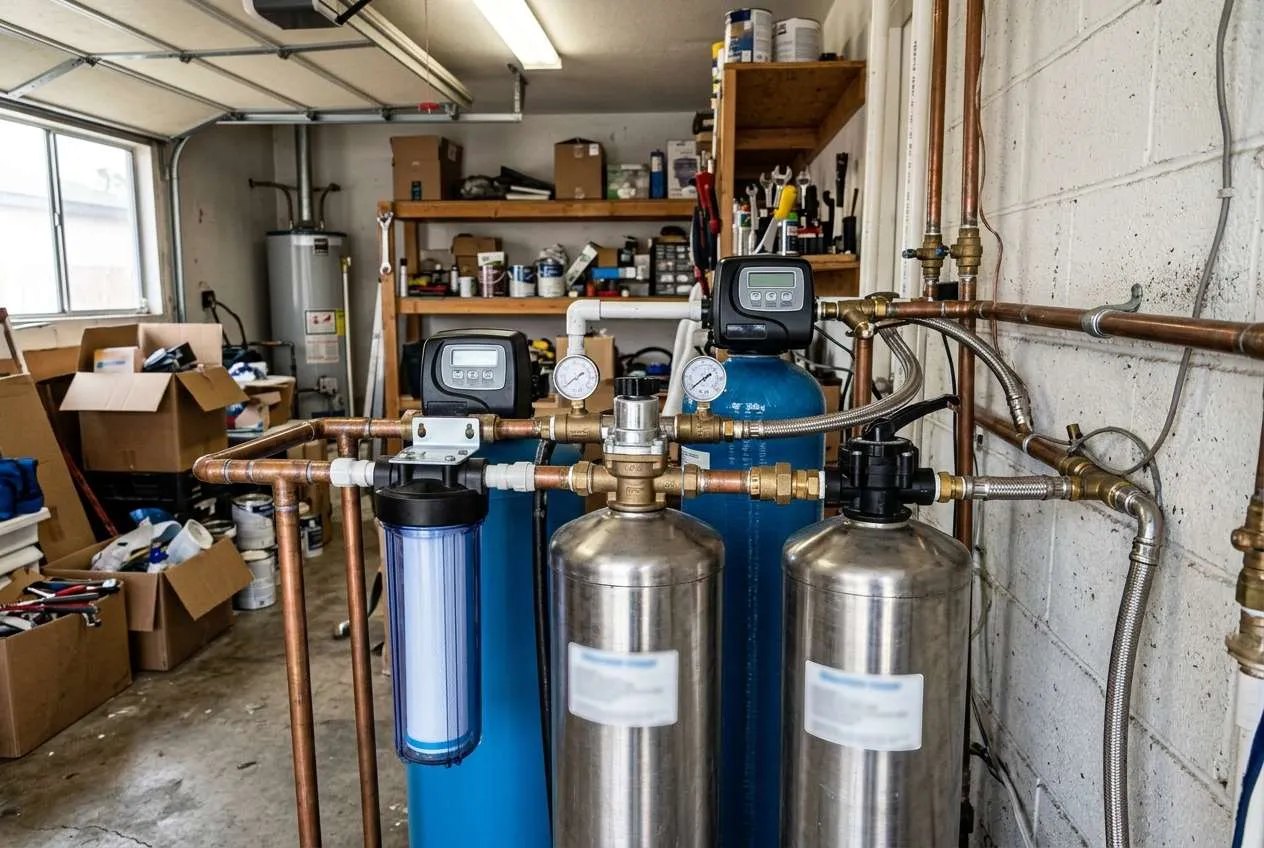
The physical placement matters too. Equipment needs enough room for servicing, filter replacement, salt loading, or other routine tasks. A system squeezed into an awkward corner may technically work, but servicing it later can become a headache.
The Right System Still Needs the Right Settings
Water treatment equipment isn’t simply “on” or “off.” Many systems have settings that influence how they operate.
A water softener may need programming based on water hardness and household consumption. A reverse osmosis system depends on appropriate pressure and filter stages. A filtration system may require specific flow rates to achieve its intended performance.
If these settings aren’t configured properly, the system may use more water or treatment media than necessary—or fail to provide the expected results.
This is one reason installation should include more than physically connecting equipment. The system should be tested and adjusted after installation.
Water Quality Can Change
One of the easiest assumptions to make is that once a treatment system is installed, the water will remain exactly the same forever.
Real homes don’t work that way.
Changes in the municipal supply, groundwater conditions, seasonal patterns, plumbing, or household usage can influence water quality over time.
Private well owners may notice changes after heavy rainfall, flooding, nearby construction, or other environmental events. Municipal customers can also experience temporary changes during maintenance or distribution work.
If the water suddenly tastes different, develops an unusual odor, changes color, or begins leaving new deposits, don’t automatically assume the treatment equipment has failed.
Investigate.
Sometimes the treatment system needs attention. Sometimes the source water has changed. And sometimes the issue is simply a plumbing problem.
What Ongoing Service Actually Provides
The phrase “ongoing service” can sound vague, but it matters in practical ways.
A good service relationship means someone can help when filters need changing, settings need adjustment, or equipment starts behaving differently.
Ongoing support can also be useful when a household’s needs change. Maybe another bathroom is added. Perhaps water consumption increases. Maybe a homeowner wants to add drinking-water treatment to an existing whole-house system.
Instead of starting from scratch, a knowledgeable service provider can look at the existing setup and determine what needs to change.
That’s valuable because water treatment isn’t always a set-it-and-forget-it purchase.
Maintenance Keeps Small Problems Small
Every treatment system has components that wear or become exhausted.
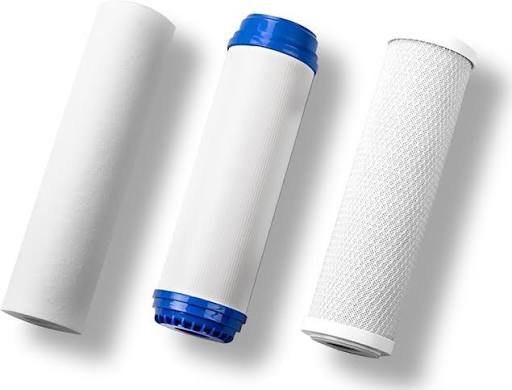
Filters eventually collect sediment. Carbon media loses capacity. RO membranes require replacement. Softener systems consume salt and may need cleaning or inspection.
Waiting until performance completely collapses isn’t usually the best strategy.
Routine maintenance gives you an opportunity to catch issues earlier. A small leak, unusual regeneration pattern, reduced water pressure, or change in treated-water quality can often be investigated before it becomes a much bigger problem.
Homeowners should ask about maintenance requirements before purchasing a system. How often do filters need changing? Which parts are consumable? What does routine service cost?
Those questions are much easier to answer before the equipment is installed.
Don’t Ignore Water Pressure
Water pressure is particularly important for certain treatment technologies.
A system may require a minimum pressure to operate correctly. If pressure is too low, flow can suffer and treatment performance may be affected.
On the other hand, excessive pressure can put unnecessary stress on plumbing and equipment.
If you notice a sudden pressure drop after installing a filtration system, don’t simply accept it as normal. The filter may be clogged, the system may be undersized, or another plumbing issue could be involved.
A pressure gauge can provide useful information, but unusual changes should be investigated rather than ignored.
A Treatment System Should Fit Your Routine
The best system isn’t necessarily the most advanced one. It’s the one that works comfortably within your household routine.
If changing filters every few months feels unrealistic, you need to account for that when selecting equipment. If salt bags are difficult to handle, delivery or alternative arrangements may be worth considering.
Similarly, if the system requires frequent attention, make sure everyone in the household understands what’s involved.
Convenience is not a superficial feature. If a system is too difficult to maintain, maintenance eventually gets skipped.
Ask What Happens When Something Goes Wrong
Before buying, ask the less exciting questions.
Who do you call if the system stops working? Are replacement parts readily available? Is emergency service offered? How quickly can someone diagnose a problem?
These questions may seem unnecessary when everything is functioning perfectly. They’re much more important when water suddenly stops flowing or a treatment system begins leaking on a Saturday evening.
A clear service plan can provide peace of mind.
Installation and Service Work Together
It’s tempting to think of installation and maintenance as two separate things. In reality, they are connected.
A system installed with future servicing in mind is easier to maintain. Properly labeled valves and accessible components can save time during repairs. Correct drain-line installation can prevent operational problems. Accurate programming provides a better starting point for future adjustments.
Good installation creates the foundation. Good service protects that foundation.
Neither replaces the other.
Make the Purchase About More Than Equipment
When comparing water treatment options, look beyond the product specifications.
Ask about installation. Ask about maintenance. Ask about replacement parts. Ask how the system will be sized and configured. And ask what kind of support is available after the sale.
A lower-priced system may look attractive initially, but the total cost of ownership can be very different once installation, consumables, service, and repairs are included.
The cheapest option isn’t always the most economical.
Reliable Water Treatment Is a Long-Term Relationship
A water treatment system should quietly improve everyday life. You shouldn’t have to think about it constantly.
But that doesn’t happen by accident.
Proper installation, sensible configuration, regular maintenance, and dependable service all contribute to long-term performance. When those pieces work together, the equipment becomes less of a household chore and more of what it was intended to be: a reliable background system.
So before making a purchase, don’t just ask, “Which system should I buy?”
Ask a better question: “Who will help me make sure it keeps working?”
That answer may matter just as much as the equipment sitting in the box.