Most people don’t think about water treatment until something changes. The faucet starts leaving white spots. The water smells a little odd. Coffee doesn’t taste quite right anymore. Or perhaps the water heater seems to be working harder than it used to.
These everyday clues can be frustrating, but they can also be useful. They tell you that it’s probably time to look a little closer at what’s happening with your home’s water.
Choosing a treatment system, though, shouldn’t be a race to buy the first product that promises cleaner water. The better approach is to understand the water itself, identify the problem, and then find a solution that fits. And just as importantly, think about what happens after installation. A water system isn’t a decoration. It needs care.
Start With the Problem, Not the Product
Walk into any water-treatment showroom or browse online and you’ll find plenty of equipment. Filters, softeners, reverse osmosis units, specialty media, whole-house systems—the choices can become overwhelming pretty quickly.
But here’s the thing: different systems solve different problems.
Hard water, for example, is primarily a mineral issue. Sediment is a physical filtration issue. Chlorine can affect taste and odor. Iron may cause staining, while certain water conditions can contribute to corrosion.
Trying to solve all of these with one generic filter isn’t always realistic.
Instead, begin by asking a simple question: what exactly is wrong with the water?
Testing Gives You a Better Starting Point
Water can look completely clear and still have characteristics worth investigating. That’s why relying only on appearance isn’t enough.
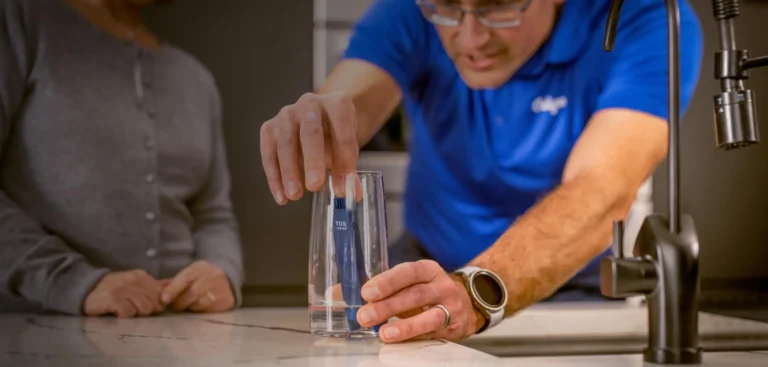
A free water test can be a convenient first step for homeowners who want to understand what’s happening before investing in treatment equipment. Depending on the provider and the type of analysis offered, testing may look at hardness, pH, iron, chlorine, dissolved solids, or other characteristics.
For private well owners, testing can be especially useful because conditions may change over time.
The point isn’t to make water treatment sound complicated. Quite the opposite. Testing can simplify the decision by replacing assumptions with actual information.
Water Quality Affects More Than Drinking
When people hear “water quality,” they often think about whether the water is safe to drink. That’s obviously important, but the effects can extend much further.
Poor or unsuitable water quality can influence plumbing, water heaters, dishwashers, washing machines, coffee makers, shower fixtures, and other equipment that uses water every day.
Hardness can create scale. Sediment can clog components. Certain water characteristics may contribute to corrosion. Taste and odor issues can make people avoid drinking directly from the tap.
In other words, water is interacting with your home constantly. Even when you aren’t paying attention to it.
Hard Water Is a Common Household Frustration
One of the most familiar water problems is hardness.
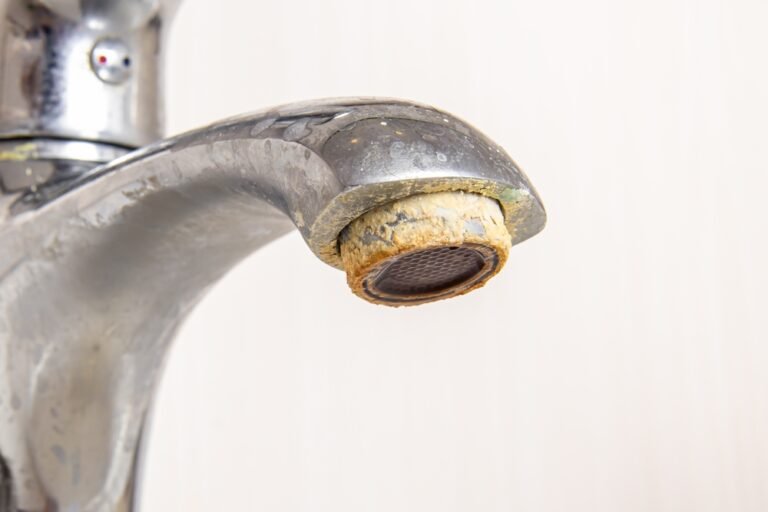
Hard water contains minerals such as calcium and magnesium. Over time, those minerals can leave deposits on faucets, shower doors, heating elements, and plumbing components.
You might notice the problem as a white crust around a faucet or a showerhead that gradually loses its spray pattern. Maybe your glassware comes out of the dishwasher looking cloudy. None of these things feels catastrophic, but they’re annoying—and they tend to keep coming back.
Water softening can help in situations where hardness is the main concern. The right system should be sized according to household water use and the actual hardness level, rather than chosen simply because it’s popular.
Taste and Odor Deserve Attention Too
Not every water problem leaves a visible mark.
Chlorine, sulfur compounds, certain minerals, and other factors can influence the taste or smell of drinking water. Sometimes the water is technically fine from a regulatory standpoint but still unpleasant enough that people avoid it.
That’s when appropriate filtration can make a meaningful difference.
Carbon-based filtration is often used to improve taste and reduce chlorine, while other treatment technologies can address more specific concerns. Again, the important thing is matching the technology to the water.
A system should have a clear job.
Whole-House or Point-of-Use?
This is another decision that deserves some thought.
A point-of-use system treats water at a particular faucet, often in the kitchen. This can be a practical choice when the primary goal is better drinking and cooking water.
Whole-house treatment works at a broader level, treating water as it enters the property. That may be useful when the concern affects multiple fixtures, appliances, or bathrooms.
Neither option is automatically better.
If your kitchen tap has a taste issue but the rest of the home’s water is fine, treating the entire house may be unnecessary. If scale is appearing throughout the plumbing system, a kitchen-only filter obviously won’t address the underlying problem.
Treat the water where the problem actually exists.
Don’t Ignore System Sizing
Water treatment equipment has to keep up with the household.
Consider how many people live in the home, how many bathrooms you have, and what happens during periods of high demand. Several showers, a washing machine, a dishwasher, and a kitchen faucet operating at the same time can create very different requirements from those of a small household.
Flow rate and pressure should be considered before installation.
An undersized or poorly configured system may lead to disappointing performance. Sometimes the equipment itself isn’t the problem—the system simply wasn’t designed for the way the home uses water.
Installation Matters More Than You Might Expect
Even excellent equipment can struggle when installed incorrectly.
Plumbing connections, available space, drainage, electrical requirements, bypass arrangements, and accessibility for maintenance all need to be considered.
A professional installer can also help identify practical issues that aren’t obvious from a product brochure. Where should the equipment go? Can filters be changed easily? Is there enough room for servicing?
These questions may seem boring until you’re standing in a cramped utility room trying to replace a filter.
Maintenance Keeps the Investment Working
A water-treatment system isn’t completely hands-off.
Filters need replacement. Softening equipment may require replenishment or service. Certain systems need periodic sanitation or inspection. If maintenance is neglected, performance can slowly decline.
Pay attention to manufacturer recommendations and keep a basic service record. It doesn’t need to be fancy. A note on a calendar can be enough.
Also watch for changes in the water. If taste, odor, pressure, or appearance suddenly changes, investigate rather than assuming it’s normal wear.
The Provider Matters, Too
People often compare equipment carefully and then barely consider who will maintain it.
That’s a mistake.
Water treatment is a long-term relationship between your home, your equipment, and the company supporting it. Access to replacement parts, maintenance, troubleshooting, and knowledgeable advice can become increasingly important as the system ages.
Reliable long-term support means you aren’t left guessing when something stops working properly. It can also make routine maintenance easier and help extend the useful life of the equipment.
Ask about service availability, maintenance plans, replacement components, and response times before making a final decision.
Think Beyond the Initial Price
The purchase price tells only part of the story.
Consider replacement filters, salt or other consumables, electricity, water usage, servicing, and eventual repairs. A system that costs less initially may become more expensive if its components require frequent replacement.
There’s also the value of convenience. Less scale, fewer stains, better-tasting drinking water, and fewer equipment headaches all have practical value.
Look at the cost over several years rather than focusing only on today’s invoice.
Better Water Starts With Better Information
There isn’t one perfect water treatment system for every household. The right choice depends on the source water, the home’s plumbing, household usage, and the specific problems you’re trying to solve.
Start with testing. Pay attention to recurring signs. Understand what different technologies are designed to do. Then choose equipment that fits those needs and a provider who can stand behind it.
That’s really the heart of good water treatment.
Not the biggest tank. Not the longest feature list. Not the flashiest sales pitch.
Just a thoughtful solution that works reliably, gets maintained when it should, and quietly makes everyday life a little easier.
And honestly, when you can turn on the tap without wondering what’s coming out, that’s a pretty good result.