A plumbing problem rarely arrives at a convenient time. You might wake up to a flooded bathroom, discover that the shower has gone cold just before work, or notice water creeping across the kitchen floor while you’re preparing dinner. These situations can turn an ordinary day upside down in minutes.
While some plumbing issues are little more than an inconvenience, others can damage flooring, walls, furniture, and the structure of a home if they’re left unattended. Knowing what to do first, when to call a professional, and how to recognize the warning signs can make a stressful situation much easier to manage.
Good plumbing care isn’t just about fixing what’s broken. It’s also about understanding the systems that keep a household running and making sensible decisions before small problems grow into expensive repairs.
Recognizing a Plumbing Emergency
Not every dripping faucet requires an urgent appointment, but certain problems shouldn’t be left until the following week. A burst pipe, a major leak, sewage backing up into the house, or a toilet overflowing without stopping can create serious property damage in a short period.
In these situations, emergency plumbing services can help identify the immediate problem, control the water flow, and determine which repairs are needed to restore safe operation. Fast professional attention is particularly important when water is spreading into walls, ceilings, electrical areas, or finished flooring.
If a pipe bursts, turn off the main water supply if you can reach the shutoff valve safely. Move belongings away from the affected area and avoid electrical equipment in wet spaces. If water is near outlets or electrical appliances, stay clear and contact an appropriate emergency professional.
A sewage backup calls for extra caution. Wastewater can contain harmful microorganisms, so avoid direct contact and keep children and pets away from the affected area. Don’t continue using plumbing fixtures if doing so appears to make the backup worse.
It’s also helpful to know the difference between an urgent repair and a routine maintenance issue. A slow-draining sink may be manageable for a short time, but several drains backing up together can point to a more serious blockage in the main drainage system.
Why Small Leaks Deserve Attention
A tiny leak beneath the kitchen sink doesn’t always look like a major concern. Perhaps there’s only a damp patch inside the cabinet, or a drop of water appears every few seconds. It’s tempting to place a towel underneath and deal with it later.
The trouble is that water can travel farther than expected. It may soak into cabinetry, damage flooring, encourage mold growth, or reach hidden spaces where the full extent of the problem isn’t immediately visible. Even a slow leak can waste water and increase utility costs over time.
Look for warning signs such as peeling paint, swollen wood, unexplained musty odors, or damp patches that keep returning. A sudden increase in water usage may also indicate a hidden leak, particularly if household habits haven’t changed.
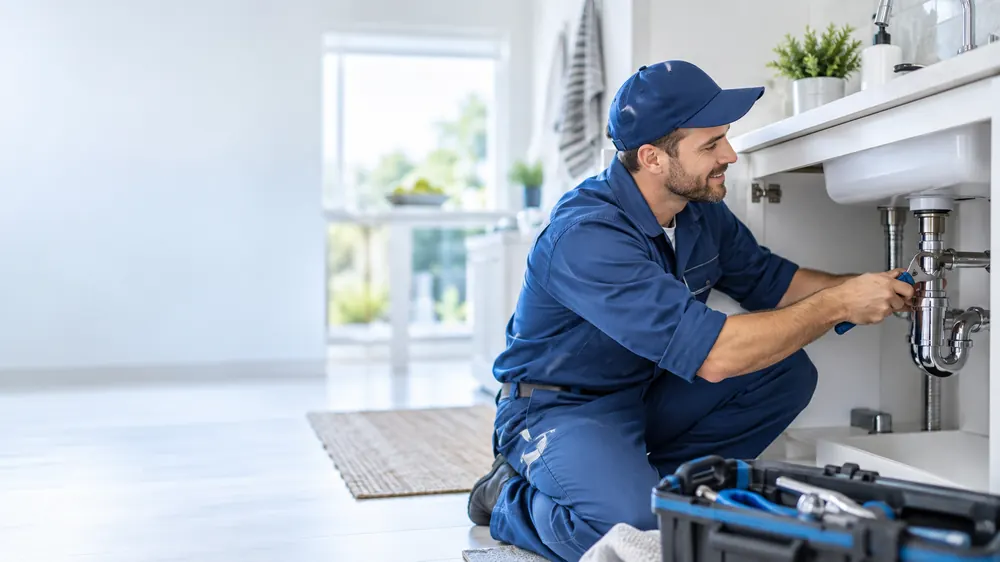
Homeowners can safely inspect accessible areas around sinks, toilets, washing machines, and visible pipes. However, recurring leaks, damaged pipework, or moisture inside walls usually require professional assessment. Tightening a loose fitting may solve a simple issue, but replacing a deteriorated pipe or failed connection calls for the right tools and experience.
The sooner the source is identified, the better the chance of limiting damage and avoiding unnecessary restoration work.
Understanding Water Heater Problems
Hot water is easy to overlook until it disappears. A cold shower on a winter morning, dishes that won’t wash properly, or an unusual noise from the utility room can quickly become a household headache.
A water heater failure may happen suddenly, but many units provide warning signs beforehand. Water temperature may fluctuate, the supply may run out faster than usual, or rusty-looking water may appear at hot-water taps. Some systems develop leaks around the tank or make popping and rumbling noises as sediment accumulates.
These symptoms don’t all mean the unit needs replacing. A faulty thermostat, heating element, valve, or sediment buildup may be responsible, depending on the type of water heater. A qualified technician can inspect the system and explain whether a repair is sensible or replacement offers better long-term value.
Age is another factor. An older unit that requires frequent repairs may cost more to keep operating than a newer, efficient model. Still, replacing a heater without checking the actual problem can lead to unnecessary spending.
Safety should come first. Water heaters may involve gas, electricity, high temperatures, and pressurized water. Avoid opening sealed components or attempting repairs beyond your experience. If you suspect a gas leak, leave the building and contact the gas utility or emergency services from a safe location.
When choosing a replacement, consider household size, peak hot-water demand, energy source, available space, and operating costs. A properly sized system can provide reliable performance without paying for capacity you don’t need.
Sewer Line Trouble Can Affect the Entire House
Drainage problems are particularly frustrating because the source isn’t always visible. A single clogged sink may have a simple explanation, but slow drains throughout the home, repeated toilet backups, or gurgling sounds from multiple fixtures can indicate trouble farther down the sewer line.
Underground sewer pipes can become blocked by grease, debris, and invasive tree roots. Older pipes may also crack, corrode, separate at their joints, or collapse as soil conditions change. Sometimes the first obvious sign is an unpleasant odor outdoors or a persistently wet patch of ground.
Professional sewer line repair starts with determining exactly what’s wrong. Depending on the circumstances, a plumber may use a drain camera to inspect the pipe’s interior and locate the affected section. The findings help establish whether the problem can be cleared, repaired locally, or requires replacement.
Some damaged lines can be addressed with trenchless techniques that reduce the amount of digging required. Other situations, particularly a severely collapsed or incorrectly graded pipe, may need traditional excavation. Neither approach is right for every property.
Before approving extensive work, ask for an explanation of the inspection findings and the available options. A detailed estimate should clarify the proposed method, materials, expected timeline, and whether excavation or landscaping restoration is included.
If sewage is backing up into the home, limit water use and seek professional help promptly. Avoid trying to solve a suspected main-line problem by repeatedly flushing toilets or running large amounts of water through other fixtures.
How Regular Maintenance Helps Prevent Emergencies
A little routine attention can catch many plumbing issues before they become disruptive. You don’t need to inspect every pipe in the house each week, but making a few simple checks part of your household routine is worthwhile.
Look beneath sinks for moisture, check toilet bases for signs of leaking, and inspect visible pipes for corrosion or damaged connections. Keep drains clear of grease, wipes, and other unsuitable materials. Kitchen strainers and bathroom drain covers can help catch debris before it enters the plumbing system.
Know where the main water shutoff valve is located. If a pipe bursts, being able to shut off the supply quickly can prevent a bad situation from becoming much worse. It’s a small detail that can save a great deal of trouble.
Older homes may benefit from periodic professional plumbing inspections, especially when pipes have a history of leaks or drainage problems. Maintenance needs vary by pipe material, water quality, and the age of the system, so ask a plumber what makes sense for your property.
It’s equally important not to ignore repeated warning signs. If a drain keeps clogging or water pressure changes unexpectedly, look for the underlying cause instead of relying on temporary fixes.
Choosing a Plumber You Can Trust
When something goes wrong, the first available contractor isn’t necessarily the right choice. Look for a professional with relevant experience, appropriate licensing where required, and a clear explanation of the work being proposed.
Ask about emergency callout fees, labor charges, warranties, and whether the estimate includes parts and cleanup. For major repairs, a written quote can help prevent misunderstandings later. A reputable plumber should be willing to explain the problem in plain language rather than making the decision feel more complicated than it needs to be.
Good communication matters, too. You should understand what needs immediate attention, what can wait, and how to reduce the chance of the same problem returning.
A Little Preparation Goes a Long Way
Plumbing systems work quietly in the background, but their reliability has a direct effect on everyday comfort. When something fails, a calm response and the right professional support can help protect your home and reduce unnecessary expense.
Pay attention to unusual sounds, recurring leaks, drainage changes, and inconsistent hot water. Know how to shut off the water supply, act quickly when a genuine emergency develops, and invest in maintenance when it can prevent larger problems.
No homeowner can prevent every plumbing failure. Still, recognizing the warning signs and making informed decisions can turn a stressful repair into a manageable one—and help keep the household running smoothly for years to come.