Water quality problems rarely announce themselves all at once. More often, they appear in small, irritating ways: a cloudy glass, a strange smell from the tap, white deposits around the showerhead, or appliances that seem to need servicing more often than they should. For homeowners and business owners, these signs can be easy to dismiss. After all, water still comes out of the faucet. But small changes may point to a larger water treatment issue.
Choosing the right treatment equipment is important, but finding dependable support is just as valuable. Water systems need proper installation, regular maintenance, and occasional repairs to keep performing as expected. Working with a nearby provider can make that process easier, especially when the company understands the local water conditions and the practical needs of the people it serves.
Why Local Knowledge Makes a Difference
Water quality can vary significantly from one region to another. Groundwater composition, municipal treatment methods, plumbing infrastructure, and seasonal changes can all influence what comes through a tap. A solution that works well for one property may not be the right fit for another just a few miles away.
This is particularly relevant in central florida, where many homes and businesses may experience hard water, mineral buildup, chlorine taste, sediment, or other water-related concerns. Local knowledge gives technicians a useful starting point. They may be more familiar with common regional water characteristics and the treatment systems typically used in the area.
That doesn’t mean every property has the same problem. Water testing is still essential. However, a local provider can often combine test results with practical experience to recommend equipment that makes sense for the specific location.
The Importance of Professional Water Testing
It’s tempting to choose a water softener or filtration system based on a neighbor’s recommendation. Sometimes that recommendation is helpful, but it shouldn’t replace an actual assessment. Water can contain several different issues at the same time, and each one may require a different treatment method.
A professional water test may measure hardness, pH, iron, chlorine, total dissolved solids, and other relevant factors. For private wells, additional testing may be needed depending on the area and the property’s history. The results help determine whether the water needs filtration, softening, chemical treatment, disinfection, or a combination of systems.
Testing also prevents unnecessary spending. A homeowner may not need an expensive multi-stage system if the main concern is simply hard water. On the other hand, installing a basic softener won’t solve problems caused by sediment, bacteria, or certain dissolved contaminants.
Installation Is More Than Connecting Equipment
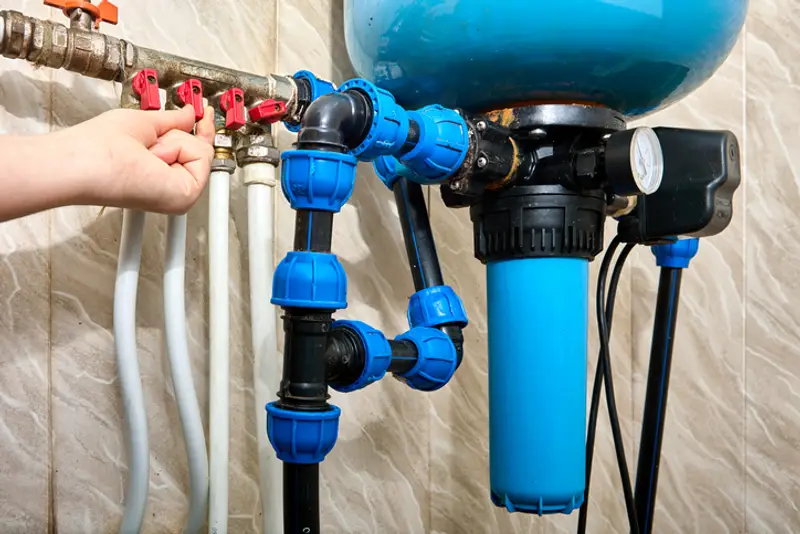
Water treatment equipment may look straightforward, but installation involves more than attaching pipes and switching the system on. The equipment must be correctly sized, positioned, connected, and programmed. Drain lines, bypass valves, water pressure, electrical requirements, and regeneration settings may all need attention.
Experienced local expert technicians can help ensure the system is installed according to the manufacturer’s requirements and the property’s water usage. They can also identify plumbing limitations or installation conditions that might not be obvious to a homeowner.
A poor installation can create leaks, low water pressure, inefficient regeneration, or inconsistent treatment. Even a high-quality system may perform badly if it is installed in the wrong location or configured incorrectly. Professional installation is therefore an important part of protecting the investment.
Supporting a Business’s Water Needs
For businesses, water quality can affect far more than drinking water. Restaurants, hotels, offices, medical facilities, laundries, salons, and manufacturing operations may all depend on reliable water for daily activities.
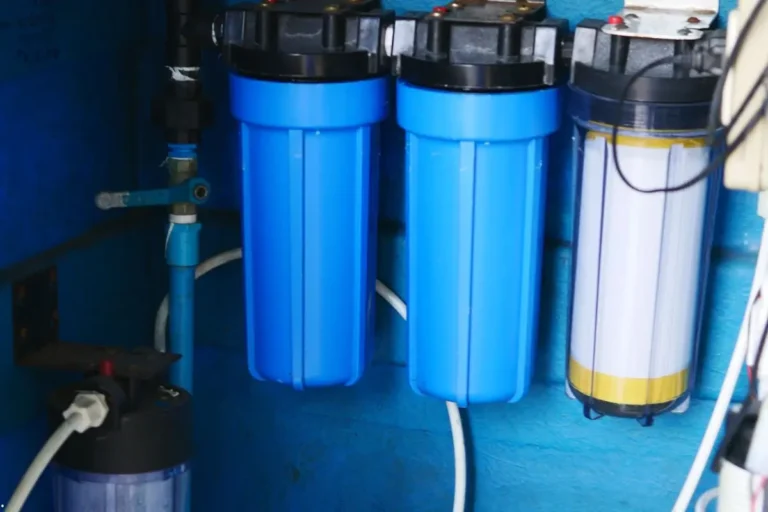
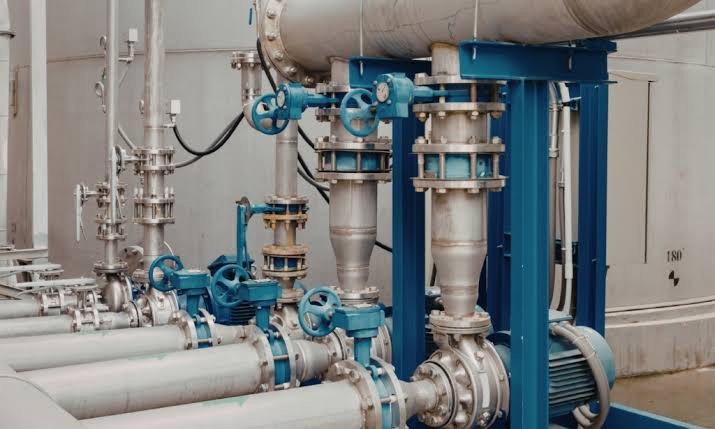
A business’s water system may include softeners, carbon filters, reverse osmosis units, commercial filtration equipment, or specialized treatment technologies. The correct setup depends on the type of business, water consumption, equipment requirements, and local water conditions.
For example, a restaurant may need to protect dishwashers, steam equipment, ice makers, and coffee machines from scale or mineral deposits. A hotel may be concerned about guest comfort, laundry performance, and plumbing maintenance. A commercial facility may have more specific water chemistry requirements tied to its operations.
A local service provider can help businesses understand those needs and develop a maintenance schedule that reduces interruptions. In a commercial setting, preventive care is especially important because equipment failure can affect employees, customers, production, and revenue.
Routine Maintenance Prevents Bigger Problems
Water treatment systems are not maintenance-free. Filters become saturated, resin media may require cleaning or replacement, salt levels need attention, and control valves can wear over time. Ignoring these tasks may reduce treatment performance and shorten the life of the equipment.
Routine maintenance can include checking system settings, inspecting connections, replacing filters, cleaning tanks, testing water quality, and confirming that regeneration cycles are operating correctly. The exact schedule depends on the type of system and the amount of water being treated.
Homeowners should also pay attention to warning signs. A return of hard-water spots, unusual odors, reduced pressure, changes in taste, or excessive salt consumption may indicate that the system needs service. It’s better to investigate early than wait until the equipment stops working completely.
Repairs Should Be Handled Promptly
Even well-maintained systems can eventually need repairs. A worn valve, clogged filter, faulty sensor, leaking connection, or malfunctioning pump can affect the entire treatment process. Delaying repairs may allow a small issue to become more expensive.
A dependable local company should be able to explain the problem clearly and outline the available repair options. In some cases, replacing a small component is enough. In others, older equipment may be inefficient or difficult to maintain, making replacement more practical.
The goal should not always be to sell a new system. Honest service means evaluating the equipment’s condition, age, performance, and repair costs before recommending the next step.
Choosing a Water Treatment Service Provider
When comparing providers, consider more than the initial quote. Ask whether the company offers water testing, installation, maintenance, emergency repairs, replacement parts, and service agreements. Find out whether technicians are trained to work with the type of system you own or plan to install.
It’s also useful to ask about warranties and ongoing costs. A system may appear affordable at first but require expensive filters, frequent salt deliveries, or specialized service. Understanding those details ahead of time makes budgeting easier.
Look for clear communication, realistic recommendations, and a willingness to explain why a particular treatment method is suitable. A good provider should help you understand your water rather than overwhelm you with technical terms or unnecessary equipment.
Reliable Water Support for the Long Term
Water treatment is not simply a purchase made once and forgotten. It is an ongoing process that includes testing, installation, monitoring, maintenance, and occasional repairs. When those pieces work together, homeowners and businesses can enjoy more consistent water quality and better protection for their plumbing and equipment.
Local service matters because nearby professionals understand the area, can respond more conveniently, and often build long-term relationships with customers. Whether the need involves a residential softener, a commercial filtration system, or a more specialized treatment setup, choosing experienced support can make the entire experience less stressful.
Good water quality begins with understanding the problem. It stays reliable through proper equipment and consistent care. With the right local partner, maintaining that standard becomes a practical part of protecting the property and keeping daily life running smoothly.