Water is one of those things we rarely question when everything seems normal. Turn on the faucet, fill a glass, take a shower, and get on with the day. It becomes noticeable only when something changes.
Maybe the water leaves orange marks in the sink. Perhaps it suddenly looks hazy in a clear glass. Or there’s a smell that makes you hesitate before taking that first sip.
These signs don’t necessarily mean there’s a serious problem, but they shouldn’t be brushed aside either. Changes in appearance, smell, or taste can provide useful clues about what’s happening inside a plumbing system or at the water source.
The important thing is to investigate rather than guess. Water treatment works best when the actual cause has been identified.
Orange Stains Can Point to Iron
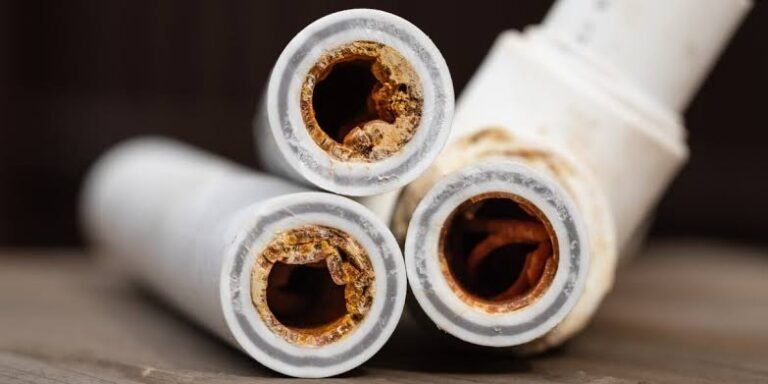
One of the most recognizable water-quality complaints is the reddish-orange staining that appears around faucets, toilets, tubs, and laundry fixtures.
Iron & rust staining can occur when dissolved or particulate iron reaches the water supply and eventually oxidizes. Once exposed to air, iron can change form and leave behind the familiar rusty-looking residue.
The problem can be particularly noticeable in private well water, although iron-related issues can occur in other water sources too.
Iron isn’t always visible immediately. Some forms remain dissolved until the water is exposed to oxygen, which is why a glass of water may look clear at first and develop color later.
Treatment depends on the form and concentration of iron involved. Aeration, filtration, oxidation, specialized media, or combinations of these approaches may be appropriate in different situations.
That’s why testing matters before buying equipment.
Cloudy Water Doesn’t Always Mean the Same Thing
Cloudy or milky-looking water can be unsettling, especially when you’re expecting a perfectly clear glass.
Cloudy water can have several possible causes. Tiny air bubbles are one relatively harmless explanation. In that situation, the water may clear from the bottom of the glass upward after sitting for a short time.
But persistent cloudiness deserves more attention.
Sediment, minerals, plumbing issues, or other water-quality conditions can contribute to a hazy appearance. If the cloudiness is new, occurs throughout the property, or comes with unusual taste or odor, it’s sensible to investigate further.
The pattern can provide clues. Is the water cloudy only from one faucet? Does it happen with hot water, cold water, or both? Does it clear after sitting?
Those little observations can help a water professional narrow down the possibilities.
Taste and Odor Are Worth Investigating
Few things make people suspicious of their water faster than an unpleasant smell.
Some homeowners describe a sulfur-like odor. Others notice chlorine, mustiness, metallic notes, or simply a taste that’s difficult to describe.
Bad odors & unpleasant taste can result from several different factors, including naturally occurring substances, disinfectants, plumbing conditions, or certain contaminants.
In private wells, hydrogen sulfide is one possible source of a rotten-egg smell. In municipal supplies, disinfectants can influence taste and odor. Old plumbing can also affect what reaches the faucet.
The key is not to assume that every unusual taste has the same solution.
Carbon filtration may help with certain taste and odor concerns, while other problems may require aeration, oxidation, specialized filtration, or changes to plumbing components.
Again, the water itself should guide the treatment decision.
Start With a Simple Observation
Before calling for complicated equipment, pay attention to when the problem occurs.
Does the water look different first thing in the morning? Does the odor appear only after the faucet has been unused for several hours? Does the issue affect every fixture or just one?
These details matter.
A problem isolated to one faucet may involve the fixture, supply line, or drain rather than the entire water supply. If every faucet has the same issue, the source may be farther upstream.
Hot and cold water can also behave differently. If only hot water has an unusual smell, the water heater deserves consideration.
Don’t overlook these simple clues. They can save time during diagnosis.
Private Wells Deserve Extra Attention
Homeowners with private wells are responsible for monitoring their own water quality, which makes routine testing especially important.
Well water can vary naturally depending on local geology, groundwater conditions, and changes around the property. Iron, manganese, hardness, sulfur compounds, sediment, and microorganisms can all be relevant depending on the location.
A well that has supplied good water for years can still experience a change.
Heavy rainfall, nearby construction, flooding, well-equipment problems, or changes in groundwater conditions may affect the water reaching the home.
If there’s a sudden change in appearance, taste, or odor, testing is a much better starting point than immediately replacing equipment.
Sediment Can Cause More Than an Ugly Glass
Fine particles in water may come from groundwater, plumbing, well components, or changes in the water source.
Sediment can collect in fixtures, clog filters, affect water pressure, and create problems for equipment.
A properly selected sediment filter can capture particles before they move deeper into the home’s plumbing. But filter selection matters. A cartridge designed for fine particles may behave differently from one intended for larger debris.
If a filter is clogging unusually fast, that’s useful information too. It may indicate that the water contains more sediment than expected or that the filtration system isn’t appropriately sized.
Replacing cartridges repeatedly without investigating the cause can become an expensive habit.
Hardness Is a Different Kind of Problem
Calcium and magnesium are the primary minerals associated with hard water.
Unlike some water-quality issues, hardness usually isn’t identified through a strong smell or dramatic color. Instead, homeowners tend to notice white deposits, soap residue, spots on dishes, and scale around fixtures.
Hard water can also affect appliances that heat water because mineral deposits can accumulate over time.
A water softener may help when hardness is significant, but it shouldn’t be installed simply because someone says every home needs one.
Test first. Know the hardness level. Then decide whether treatment provides enough benefit to justify the investment and ongoing maintenance.
Treatment Should Match the Cause
One of the biggest mistakes homeowners make is buying equipment based on a symptom alone.
Orange stains don’t automatically mean one particular filter is required. Cloudiness doesn’t automatically mean the same thing in every home. A strange taste can have several possible causes.
Water treatment is more like solving a puzzle.
First, identify the source. Then determine what’s actually present. After that, choose technology designed for the specific issue.
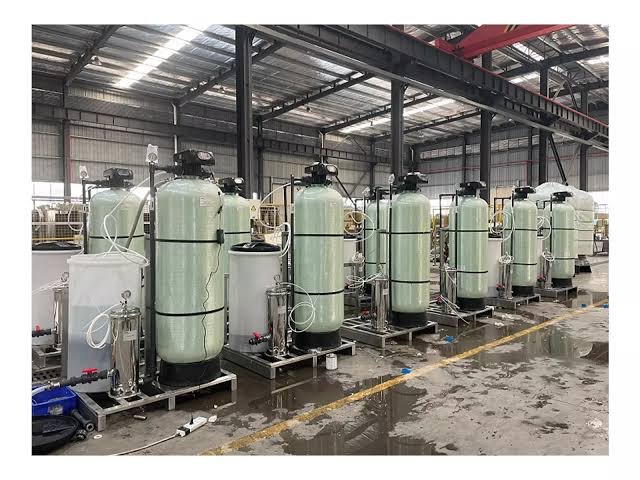
Depending on the results, a treatment setup might include sediment filtration, activated carbon, water softening, iron removal, ultraviolet treatment, reverse osmosis, or another specialized approach.
Sometimes a simple solution is enough. That’s a good thing.
Maintenance Matters After Installation
Even the right treatment equipment needs attention.
Filters become loaded with material. Softener components need servicing. Reverse osmosis membranes eventually require replacement. Specialized treatment media can have a useful operating life and then need regeneration or replacement.
A system that isn’t maintained can gradually lose performance.
Water quality should also be rechecked when circumstances change. If a well develops a new odor or a household notices recurring staining, don’t assume the existing treatment system will automatically handle it.
Equipment should respond to the water—not the other way around.
Don’t Ignore Sudden Changes
A gradual issue is one thing. A sudden change deserves quicker attention.
If water suddenly becomes discolored, develops a strong new odor, or changes dramatically in taste, investigate the cause before continuing to use it for drinking.
For private wells especially, significant changes can justify prompt testing.
And if there is reason to suspect microbial contamination or another health-related issue, follow appropriate local public-health or water-safety guidance rather than relying on a household filter as a substitute for testing.
Better Water Starts With Better Information
Water problems can be annoying, but they don’t have to become mysterious.
Orange stains, cloudy glasses, unusual smells, and strange tastes are clues. They tell you that something about the water—or the plumbing delivering it—may have changed.
The smartest response is usually calm and methodical.
Observe the pattern. Test the water. Identify the cause. Choose treatment based on evidence. Then maintain the equipment properly.
That’s a much better approach than filling the utility room with filters and hoping one of them solves the problem.
Good water treatment isn’t about having the most equipment. It’s about having the right equipment for the water you actually have.
And once the cause is understood, those little daily frustrations—the stained sink, the strange-smelling glass, the cloudy faucet—can become problems with practical solutions rather than permanent household mysteries.