Water has a funny way of becoming invisible in our daily lives. We turn on the faucet, fill a glass, start the washing machine, and move on. It’s only when the water smells strange, tastes a little odd, or leaves spots everywhere that we suddenly start paying attention.
And honestly, that’s understandable. Water should just work.
But the quality of household water can be affected by many different things, from naturally occurring minerals to sediment, chlorine, iron, or other substances picked up along the way. The right treatment approach depends on what’s actually present in the water, not simply what sounds good on a product label.
That’s why understanding a few common treatment options can make choosing a system much less confusing.
Start With the Problem, Not the Equipment
One of the easiest mistakes to make is shopping for a water treatment system before figuring out what needs to be treated.
For example, water that tastes strongly of chlorine is a different problem from water that leaves white scale on your shower door. Cloudy water caused by suspended particles is different again.
A basic water test can provide useful information about hardness, pH, sediment, iron, and other characteristics. For more specific concerns, laboratory testing may be worthwhile.
Think of it as getting a diagnosis before buying the cure. You wouldn’t replace the engine because your car’s tire is flat. Water treatment works much the same way.
Improving Taste and Odor
Sometimes the water is perfectly usable but simply unpleasant. Maybe there’s a chlorine taste after filling a glass. Perhaps the water has a musty smell, or there’s an odd flavor that makes everyone reach for bottled water instead.
Carbon filtration is commonly used for this type of concern. taste & odor (carbon) filters can help reduce certain compounds responsible for unpleasant tastes and smells, including chlorine in many treated municipal supplies.
The result can be subtle, but that doesn’t mean it’s unimportant. When water tastes cleaner and fresher, people often enjoy drinking it more. A cold glass from the refrigerator suddenly becomes appealing instead of something you tolerate because you’re thirsty.
Carbon filtration isn’t designed to solve every water-quality issue, though. Its effectiveness depends on the contaminants involved, the type and quality of the carbon, and how quickly water passes through the filter.
Dealing With Sediment and Cloudy Water
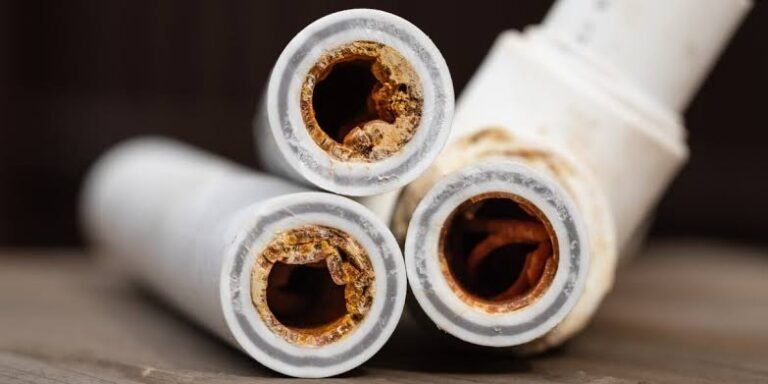
Clear water isn’t always guaranteed, especially in homes using private wells or water supplies that carry suspended particles. Tiny bits of sand, silt, rust, or other material can sometimes make their way into plumbing.
That’s where turbidity & sediment filters can be useful. These filters are designed to capture suspended particles before they travel farther into the home’s plumbing system.
This isn’t just about appearance. Sediment can affect faucets, fixtures, appliances, and other treatment equipment. If particles constantly move through the plumbing, they may contribute to clogged screens or premature wear.
The important thing is selecting filtration that matches the situation. A household with occasional fine sediment may have very different requirements from a property dealing with heavy particles after rainfall or well-water disturbances.
Hard Water Has Its Own Personality
Hard water tends to announce itself in annoying little ways.
You might notice white spots on dishes, mineral buildup around faucets, soap that doesn’t seem to rinse properly, or a showerhead that slowly becomes clogged. None of these problems feels catastrophic, but put them together and they can become a constant irritation.
Hardness is primarily caused by minerals such as calcium and magnesium. water softeners are designed to reduce hardness by exchanging these minerals, helping prevent scale formation throughout the plumbing system.
For many households, the biggest difference is simply how the water behaves. Cleaning may feel easier, fixtures can stay cleaner, and water-using appliances may face less scale buildup.
Of course, a softener isn’t a filter for every contaminant. That distinction matters. Treating hard water and treating contaminated water are two different jobs.
Why One System May Not Be Enough
There’s a tendency to look for one machine that handles everything. It would be convenient, but water chemistry doesn’t always cooperate.
A home might have hard water along with chlorine taste. Another could have sediment and iron. A private well might require filtration and disinfection. In these situations, multiple treatment stages may make more sense than trying to force one technology to do every job.
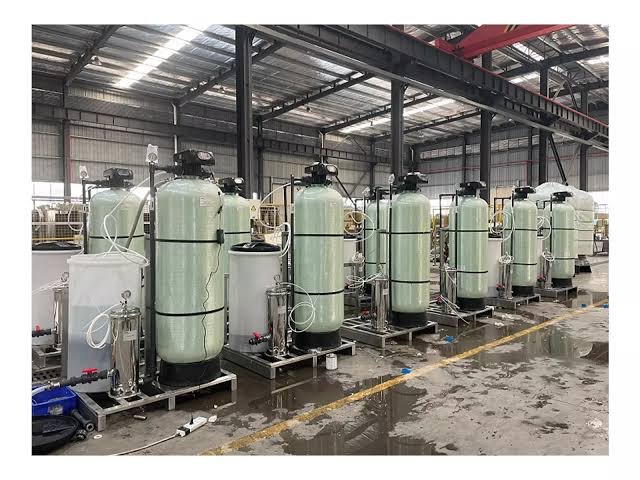
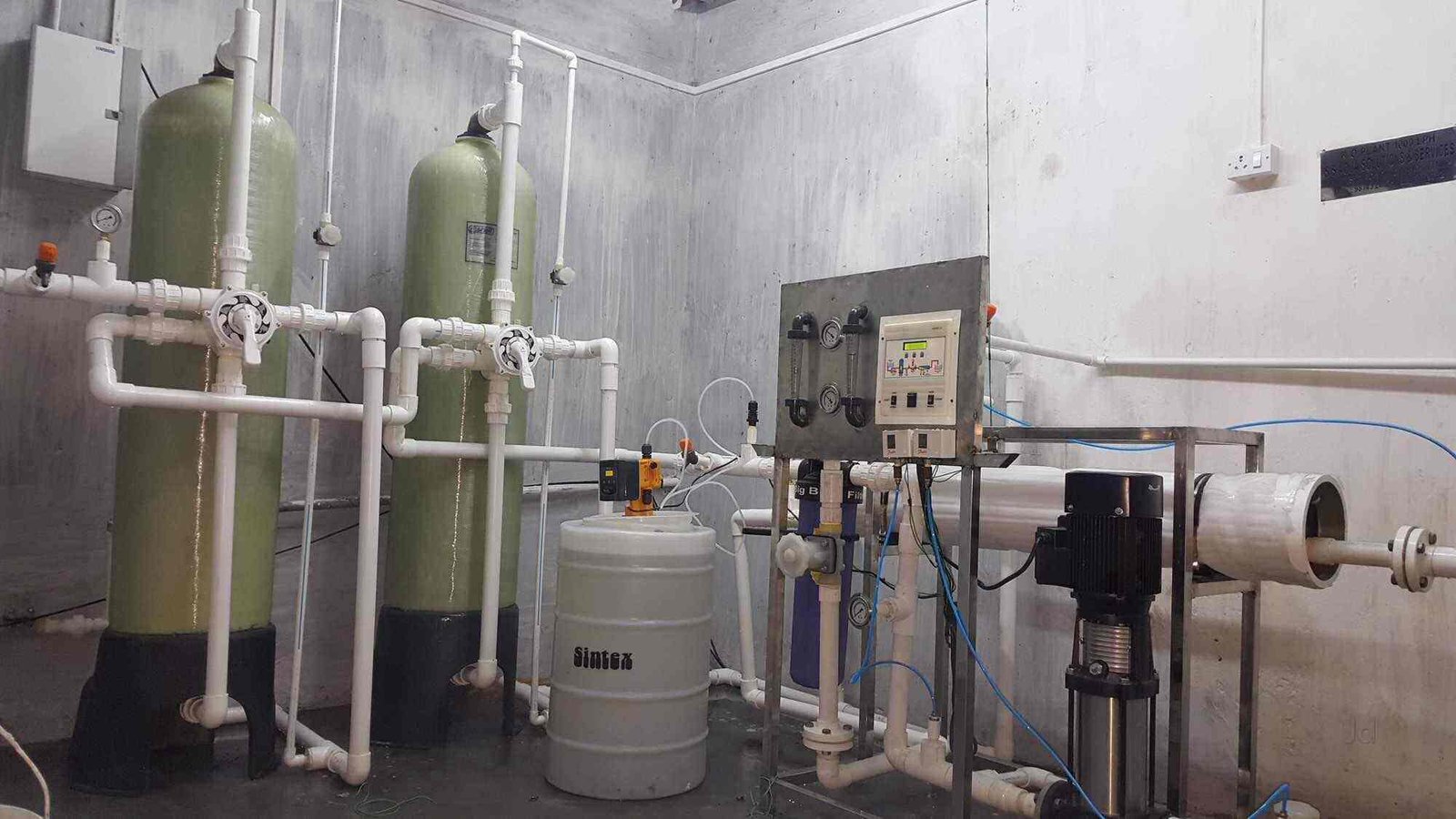
A typical setup could include sediment filtration first, followed by another treatment stage designed around a specific concern. In some homes, softening may be added as well.
The order matters too. Certain equipment performs better when larger particles have already been removed upstream.
Municipal Water and Well Water Aren’t the Same
Where your water comes from plays a major role in determining what treatment may be appropriate.
Municipal water is generally treated before reaching the property, but homeowners may still want filtration to improve taste or address specific household concerns. Older plumbing can also influence water quality after treated water enters the property.
Private wells are different. The homeowner is responsible for monitoring the quality of the water, and conditions can change over time.
Rainfall, groundwater movement, changes around the property, and well construction can all influence what ends up in the water. Regular testing is therefore especially important for well owners.
Maintenance Is Easy to Forget
Buying a water treatment system is one thing. Keeping it working properly is another.
Filters eventually become loaded with the material they were designed to capture. Carbon loses effectiveness over time. Sediment filters can become clogged. Softeners need appropriate salt levels and periodic maintenance.
It’s easy to forget these things because treatment equipment usually works quietly in the background. There’s no dashboard flashing a warning light in most homes.
A simple maintenance schedule can help. Write down filter-change dates, keep replacement parts available, and follow the manufacturer’s service recommendations. It takes only a few minutes to stay organized.
Don’t Let Marketing Make the Decision
Water treatment can be a confusing market. There are plenty of products making big promises, and technical terms can make even a simple filter sound like advanced laboratory equipment.
Instead of choosing based purely on claims, ask practical questions.
What problem is the system designed to solve? What does the water test show? How often do filters need replacement? What happens if the household uses more water than expected? What maintenance will be required?
These questions may not sound exciting, but they’re much more useful than flashy specifications.
Better Water Begins With Understanding
The goal of water treatment isn’t necessarily to make water “perfect.” It’s to make the water appropriate for the needs of your home.
For one household, that may mean reducing chlorine taste. For another, it could mean removing sediment or managing hard water. Some homes may need a combination of approaches.
The best starting point is always information. Understand your water source, test when appropriate, identify the actual problem, and then choose treatment equipment that addresses it.
That approach may sound less dramatic than buying the biggest system available. But it’s usually more practical, more manageable, and easier to live with over the long run.
Good water treatment should quietly make everyday life better. You notice cleaner fixtures, better-tasting water, fewer deposits, or smoother appliance operation — and then, after a while, you stop thinking about the water altogether. In a strange way, that’s probably the sign that the system is doing its job.