There’s something oddly reassuring about turning on a faucet and knowing the water will simply do what you expect. It should look clear, taste clean, and work well for everything from a morning shower to a cup of coffee. When it doesn’t, the little problems tend to become surprisingly annoying.
Maybe the shower glass keeps collecting white spots. Perhaps soap doesn’t lather properly, or the kitchen tap leaves mineral marks behind. Sometimes the water tastes fine but still contains characteristics that make a homeowner wonder whether additional treatment would be worthwhile.
That’s where a little investigation can save a lot of frustration. Water treatment isn’t about buying the most complicated equipment available. It’s about understanding your water and matching the solution to the actual problem.
Start With the Water, Not the Equipment
The first step should usually be testing.
Water quality varies depending on the source, local geology, plumbing, and other factors. A municipal supply and a private well can have very different treatment requirements. Even two nearby homes may not experience exactly the same conditions.
A water analysis can reveal hardness, sediment, pH, dissolved substances, and other characteristics. Once you know what’s present, choosing treatment becomes much less of a guessing game.
This is important because different technologies do different jobs. A softener isn’t a universal filter, and a reverse osmosis system isn’t necessarily needed for every household.
Good treatment starts with a clear reason for treating the water.
What a Water Softener Actually Does
Hard water contains minerals, particularly calcium and magnesium. These minerals aren’t necessarily dangerous, but they can create plenty of household headaches.
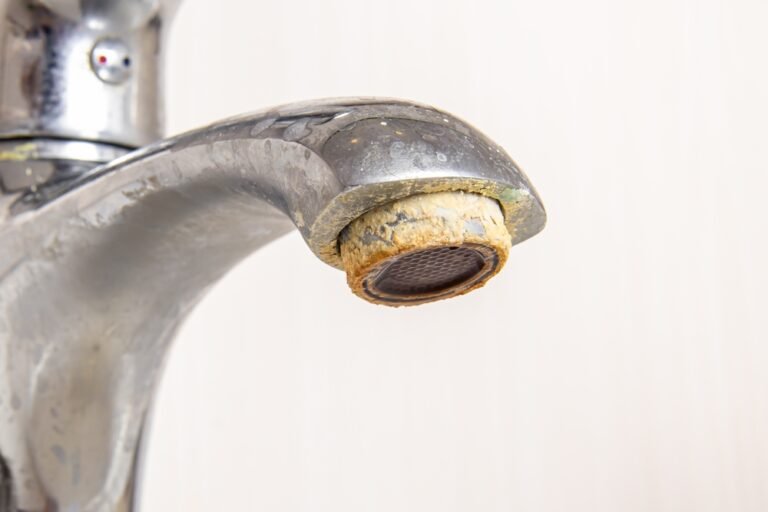
Scale can accumulate around faucets, showerheads, water heaters, dishwashers, and other water-using equipment. Soap can also react with hardness minerals, leaving residue and making cleaning feel like more work than it ought to be.
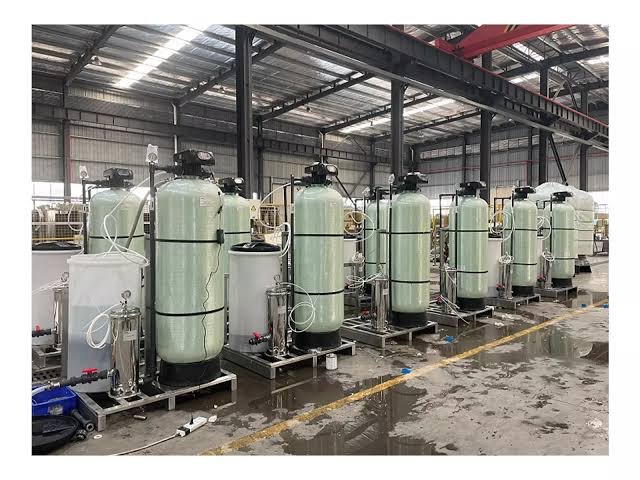
A water softener is designed to address this particular issue. Traditional systems use ion-exchange resin to capture hardness minerals as water passes through the treatment tank.
Eventually, the resin needs to be regenerated so it can continue operating effectively.
The result isn’t “purified water” in the broadest sense. It’s water with significantly reduced hardness.
That distinction is easy to overlook, but it matters when deciding what equipment your home actually needs.
The Everyday Difference of Softer Water
The benefits of reducing hardness are often fairly ordinary—and that’s part of the appeal.
Soap can lather more easily. Shower surfaces may accumulate fewer mineral deposits. Glassware can come out of the dishwasher with fewer spots. Faucets may require less scrubbing.
For many homeowners, these changes add up to a more comfortable routine.
There’s also an appliance angle. Hard-water scale can build up in equipment that heats water, including water heaters and certain kitchen appliances. The severity depends on water chemistry, usage, appliance design, and maintenance.
Softening won’t eliminate every appliance problem, of course. But reducing hardness can help address one common source of mineral buildup.
Where Reverse Osmosis Fits
Reverse osmosis is a different kind of treatment.
Rather than primarily targeting hardness, it uses pressure to push water through a semipermeable membrane. The membrane can reduce many dissolved substances and is commonly used for drinking and cooking water.
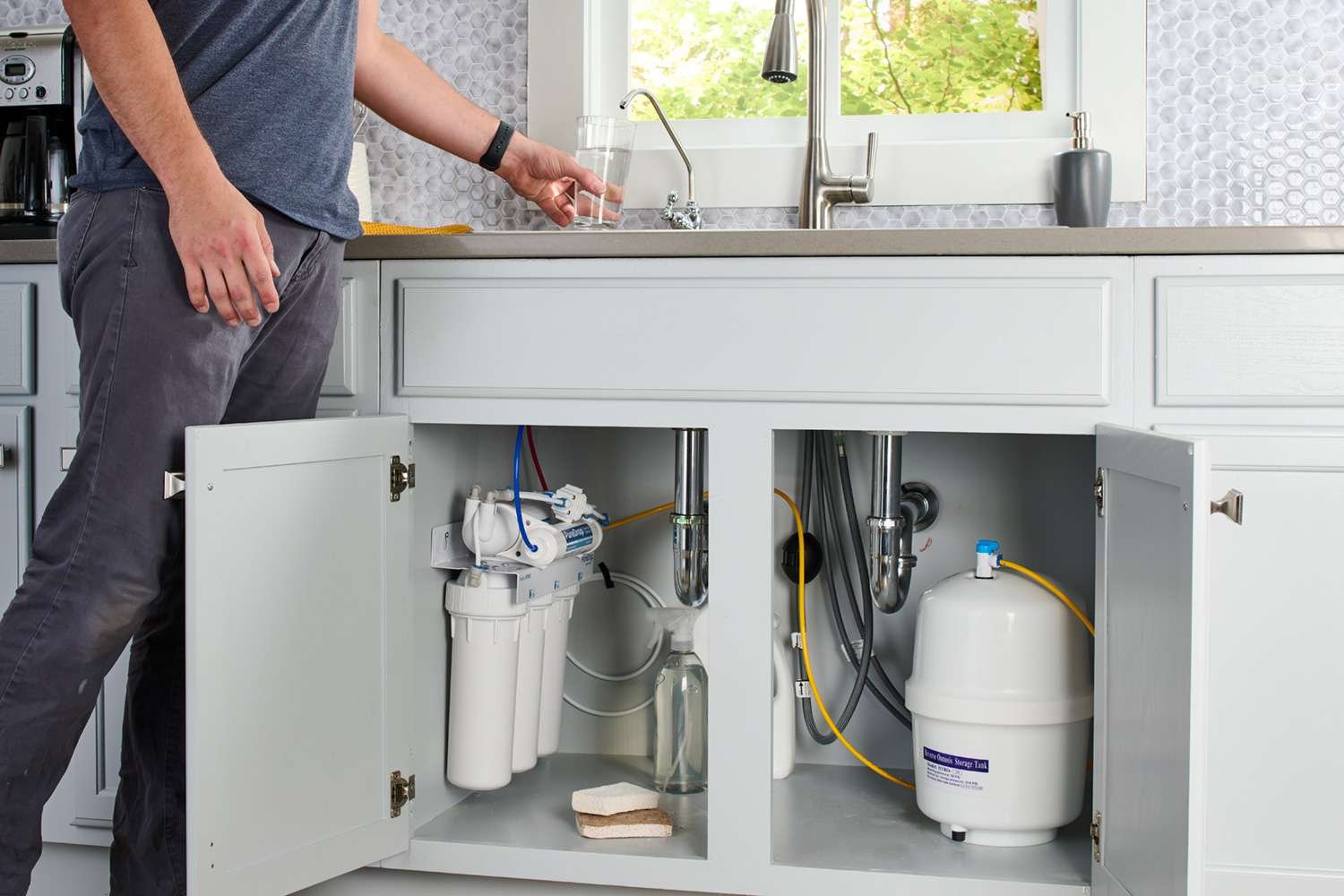
This makes reverse osmosis particularly useful as point-of-use treatment. A system installed beneath the kitchen sink can supply treated water through a dedicated faucet without requiring the entire household’s water to pass through the membrane.
That’s often a practical arrangement.
Why treat water for laundry and showers with a technology designed mainly for drinking-water concerns? In many homes, focused treatment makes more sense.
Better-Tasting Water Can Change Habits
Taste is sometimes dismissed as a minor issue, but it can influence how people use water.
If tap water tastes unpleasant, someone may reach for bottled water instead. Over time, that can become an expensive habit.
Proper filtration may improve certain tastes and odors depending on what’s causing them. The difference can also show up in coffee, tea, ice, and cooking.
Still, taste isn’t a substitute for water testing. Water can taste perfectly normal and still contain characteristics you may want to understand.
Think of taste as one piece of the puzzle, not the entire picture.
Softening and RO Can Work Together
There doesn’t have to be a choice between softening and reverse osmosis.
In some homes, they address different needs.
A whole-home softener can reduce hardness throughout the plumbing system, while an RO unit provides additional treatment for drinking and cooking water at a specific location.
This combination can be useful when the household wants to manage both mineral buildup and drinking-water quality.
The important part is avoiding unnecessary treatment. If testing shows that one system adequately addresses the problem, there may be no reason to add another.
More equipment isn’t automatically better.
Pay Attention to Water Pressure
Reverse osmosis systems operate under specific pressure conditions. If incoming pressure is too low, production can become slower than expected.
This is one of those practical details that’s easy to miss when shopping online. A system may look perfect on paper, but installation conditions still matter.
Before installation, consider household water pressure, available plumbing space, drainage, and any electrical requirements.
A professional assessment can identify potential issues before the equipment is installed rather than after you’re standing at the kitchen sink wondering why the flow is so slow.
Maintenance Is Part of the Deal
Every treatment system needs some attention.
Softener salt levels may need monitoring. Filters eventually need replacement. RO membranes have a service life. Connections, valves, and other components can wear.
None of this should be alarming. It’s normal ownership.
The trick is to stay ahead of it.
Keep a record of filter changes and service dates. Follow the manufacturer’s recommended maintenance schedule. If water taste, pressure, or hardness suddenly changes, investigate.
A small maintenance task today is generally preferable to a larger repair six months from now.
Read the Warranty Before You Buy
A warranty can provide useful protection, but don’t judge it by a bold sentence on a brochure.
Read the actual terms.
Find out how long coverage lasts, what parts are included, whether labor is covered, and what conditions apply. Ask who performs warranty service and whether replacement components are readily available.
This is especially important for equipment expected to remain in your home for many years.
You don’t want to discover the limitations of a warranty only after something goes wrong.
Consider the Total Cost
The purchase price is only one part of the financial picture.
Salt, filter replacements, water used during regeneration, maintenance, repairs, and installation can all contribute to long-term costs.
A system with a lower upfront price isn’t necessarily the cheaper option over five or ten years.
At the same time, don’t assume the most expensive equipment is automatically the best. Look for a sensible match between your water conditions, household demand, treatment goals, and budget.
Value comes from solving the right problem efficiently.
Choose a System Around Real Life
Households change.
Children grow up. Guests visit. People move in or out. Working arrangements change. Water consumption can rise or fall.
A good treatment system should be capable of being adjusted as circumstances change.
For softeners, that might mean reviewing regeneration settings. For filtration, it could mean changing replacement intervals based on actual usage and water quality.
The goal isn’t to create another household chore. It’s to build a treatment setup that quietly adapts to everyday life.
What Complete Satisfaction Really Looks Like
The phrase complete satisfaction can sound like marketing language, but the underlying idea is fairly simple.
You want the system to solve the problem you bought it to solve.
If hard water is leaving scale everywhere, you want less scale. If drinking water has an unpleasant taste, you want that taste improved. If testing identifies a specific water-quality concern, you want treatment designed around it.
Nothing more complicated than that.
The best results usually come from realistic expectations, appropriate equipment, professional installation when needed, and regular maintenance.
A Better Approach to Better Water
Water treatment doesn’t need to be mysterious or overwhelming.
Start with testing. Understand what’s in the water. Decide what you actually want to change. Then compare technologies based on performance, maintenance, operating costs, and long-term support.
A water softener may be the right answer for hardness. Reverse osmosis may make sense for drinking water. Sometimes both have a role.
But there is no prize for owning the most equipment.
The real win is simpler: fewer mineral deposits, better-tasting water, easier cleaning, and less time worrying about what’s happening inside your pipes.
When treatment is chosen thoughtfully, it fades into the background. And honestly, that’s probably the best outcome of all. The system works, the water feels right, and you get on with your day.