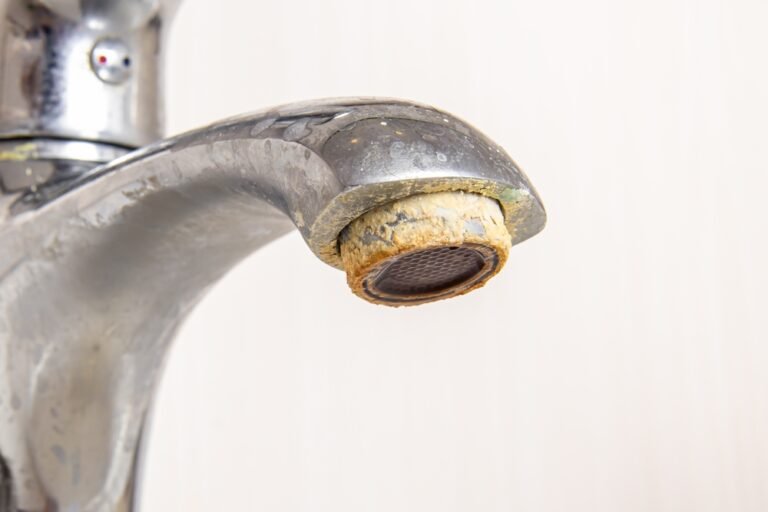
Water treatment isn’t something most people think about until there’s a reason to. Maybe the showerhead is covered in stubborn deposits. Maybe the water has developed an odd taste. Or perhaps you’ve noticed that appliances don’t seem to be performing the way they used to.
These little annoyances can slowly become part of everyday life. You scrub the faucet again. You buy another filter. You tell yourself you’ll look into it later.
Then “later” turns into another year.
The good news is that improving household water doesn’t have to mean choosing the biggest, most complicated system available. The better approach is to understand what your water needs and find equipment that fits your home, your routine, and your budget.
Start With the Problem, Not the Product
It sounds simple, but it’s an important distinction.
Instead of searching immediately for a water softener, whole-house filter, or drinking-water system, start by asking what you’re actually trying to fix.
Is the problem hard water? Taste? Odor? Sediment? A specific contaminant? Or are you mainly looking for better drinking water at the kitchen sink?
Different problems call for different treatment methods.
For example, a household dealing with mineral scale may benefit from a water softening approach, while someone primarily concerned about drinking-water quality may be more interested in point-of-use filtration. Trying to make one system handle everything can sometimes create unnecessary expense and maintenance.
Testing Gives You a Better Starting Point
Water that looks clean isn’t necessarily free from quality concerns. Many dissolved substances are invisible, so judging water by appearance alone can be misleading.
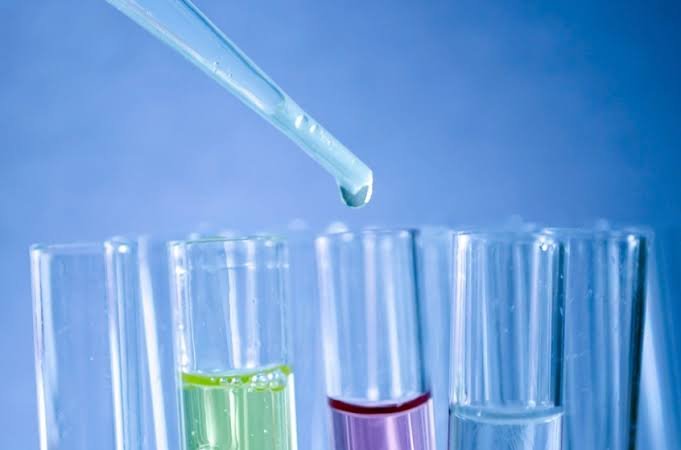
A water test can provide useful information about characteristics such as hardness, mineral content, and certain contaminants, depending on the testing method.
For homeowners using private wells, testing can be particularly valuable because groundwater conditions can vary from property to property. Changes in rainfall, land use, plumbing, or the well itself can also affect water conditions over time.
Think of testing as getting the facts before making a purchase. You wouldn’t replace your car’s engine because it made one strange noise without having a mechanic look at it first. Water treatment deserves a similar bit of common sense.
Consider the Whole Home
Once you understand the problem, think about where you experience it.
If mineral buildup is showing up in showers, faucets, laundry, and appliances, treating only the kitchen faucet probably won’t address the bigger issue. A whole-home approach may make more sense.
On the other hand, if your main concern is the taste of drinking water, treating every gallon entering the house may be unnecessary.
This is where a good installation plan matters. Equipment should be positioned correctly, sized appropriately, and connected in a way that works with the home’s existing plumbing.
A professional assessment can also uncover practical details homeowners may overlook, such as available space, water pressure, drainage requirements, and access for future servicing.
Size Matters More Than People Think
A treatment system isn’t automatically better because it’s larger.
Oversized equipment can cost more than necessary, while undersized equipment may struggle to keep up with household demand. The number of people living in the home, water usage patterns, incoming water quality, and the type of treatment all play a role.
Imagine a family of five with several bathrooms and frequent laundry cycles. Their water needs are very different from those of someone living alone in a small apartment.
The right system should match real life, not an idealized version of it.
Think About Maintenance Before You Buy
This is one of those things that’s easy to ignore when you’re looking at shiny new equipment.
Every treatment system has some form of upkeep. Filters need replacement. Certain components need inspection. Some systems require cleaning, adjustments, salt, or other supplies.
A system that seems affordable at purchase can become less attractive if replacement parts are expensive or difficult to find.
Ask about maintenance and repair before committing to equipment. Find out what needs to be serviced, how frequently filters or other components should be replaced, and whether qualified service is available in your area.
It isn’t the most exciting part of the purchase, but it’ll matter later.
Don’t Chase the Most Advanced Technology
Water treatment has come a long way, and modern systems can be impressively efficient. But more technology doesn’t automatically mean better results for every household.
A relatively simple filtration system may solve a taste or odor problem. A water softener may address hardness. A reverse osmosis system may make sense for specific drinking-water concerns.
The best system is usually the one that addresses the actual problem without adding unnecessary complexity.
There’s something to be said for equipment that quietly does its job without requiring you to think about it every other week.
Your Household Habits Matter
Water usage isn’t the same in every home.
Some families cook frequently and use large amounts of drinking water. Others rely heavily on appliances such as dishwashers and washing machines. Some homeowners spend a lot of time gardening, while others barely use outdoor water.
These habits can influence which treatment approach makes sense.
Even something as simple as when your household uses the most water can affect system sizing and operation. If everyone showers in the morning and laundry runs throughout the weekend, your peak demand may look very different from the average numbers listed in a product brochure.
Real life has a way of ignoring brochures.
Customization Can Make a Difference
There isn’t a universal water-treatment setup that works perfectly for every property.
A home with well water may have different needs from a city-water home. An older house may have plumbing considerations that don’t exist in a newer property. Even two neighboring houses can have different concerns.
That’s why customized solutions can be useful. Instead of forcing every household into the same package, treatment can be selected around the actual water conditions, household size, plumbing configuration, and goals.
The key is making sure the customization is based on useful information rather than simply adding more equipment.
Don’t Forget About Drinking Water
Whole-home treatment and drinking-water treatment don’t always serve the same purpose.
You may want comfortable water for showers, laundry, and appliances while also wanting additional filtration at the kitchen sink.
A point-of-use system can provide a practical way to focus additional treatment where drinking and cooking water are used most.
This can also reduce the amount of water that needs more intensive treatment, depending on your specific situation.
A Good System Should Make Life Easier
Ultimately, water treatment should solve problems rather than create new ones.
Before buying, understand your water, identify the issues that actually matter, consider your household’s usage, and think honestly about maintenance. Don’t be afraid to ask questions about operating costs, replacement parts, service requirements, and expected performance.
And don’t overlook the simple things.
A quieter appliance, cleaner-looking fixtures, better-tasting drinking water, or less time spent scrubbing mineral deposits may sound like small improvements. But when those little frustrations disappear from your daily routine, you notice.
The right water treatment system isn’t necessarily the most impressive one on paper. It’s the one that fits naturally into your home and keeps doing its job long after the excitement of installation has faded.
That’s when good water treatment becomes less of a project and more of something you simply don’t have to worry about.