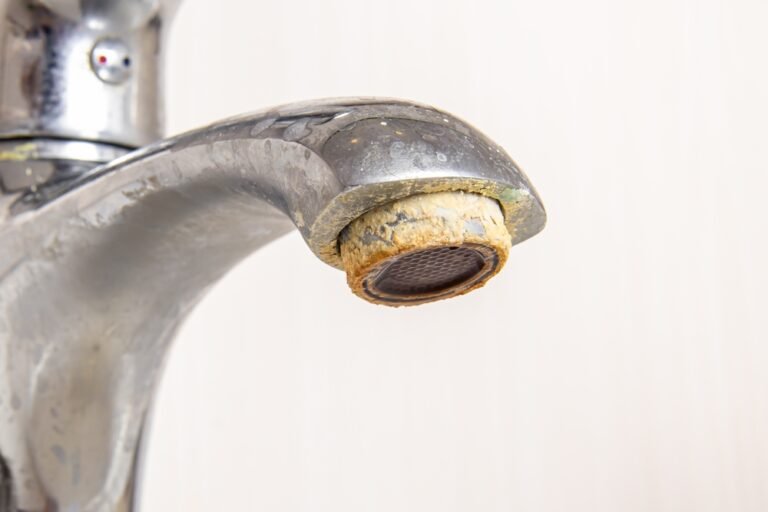
Water is one of those things we tend to notice only when something feels wrong. A glass tastes strange. The shower leaves behind white marks. Soap doesn’t rinse the way it used to. Maybe there’s an odd smell when you first turn on the faucet in the morning.
None of these signs should automatically send you into a panic. But they are worth paying attention to.
Every home’s water is a little different. Municipal supplies, private wells, older plumbing, local geology, and household usage can all influence what comes out of the tap. That’s why choosing a treatment system isn’t really about finding the “best” filter on the market. It’s about finding what makes sense for your water.
A little investigation at the beginning can prevent a lot of frustration later.
Start With a Water Test
Before buying equipment, find out what’s actually in the water.
A water test can identify characteristics such as hardness, pH, iron, manganese, sediment, and other substances that may affect water quality. Depending on your water source and concerns, more specialized testing may also be appropriate.
This matters because water can be deceptive. Clear water isn’t necessarily free of unwanted substances, while cloudy water isn’t automatically dangerous. Taste and smell can offer clues, but they aren’t complete diagnostic tools.
Testing gives you a baseline. If the water changes later, you’ll have useful information for comparison.
It also helps keep the treatment process grounded in reality rather than product marketing.
What Does Water Conditioning Actually Do?
The phrase water conditioning can mean different things depending on the company or system being discussed. Generally, it refers to processes or equipment designed to improve specific characteristics of household water.
Hardness is a common example. Water containing significant calcium and magnesium can produce scale on fixtures, shower doors, water heaters, and appliances. It can also make soap and cleaning more difficult.
A softening system may help with these problems, but it won’t necessarily address every other concern in the water.
That’s an important point. Treatment should be targeted. If the water has one problem, solve that problem instead of assuming every possible treatment stage is necessary.
Filters Aren’t All the Same
It’s easy to look at a collection of filtration products and assume they basically do the same job. They don’t.
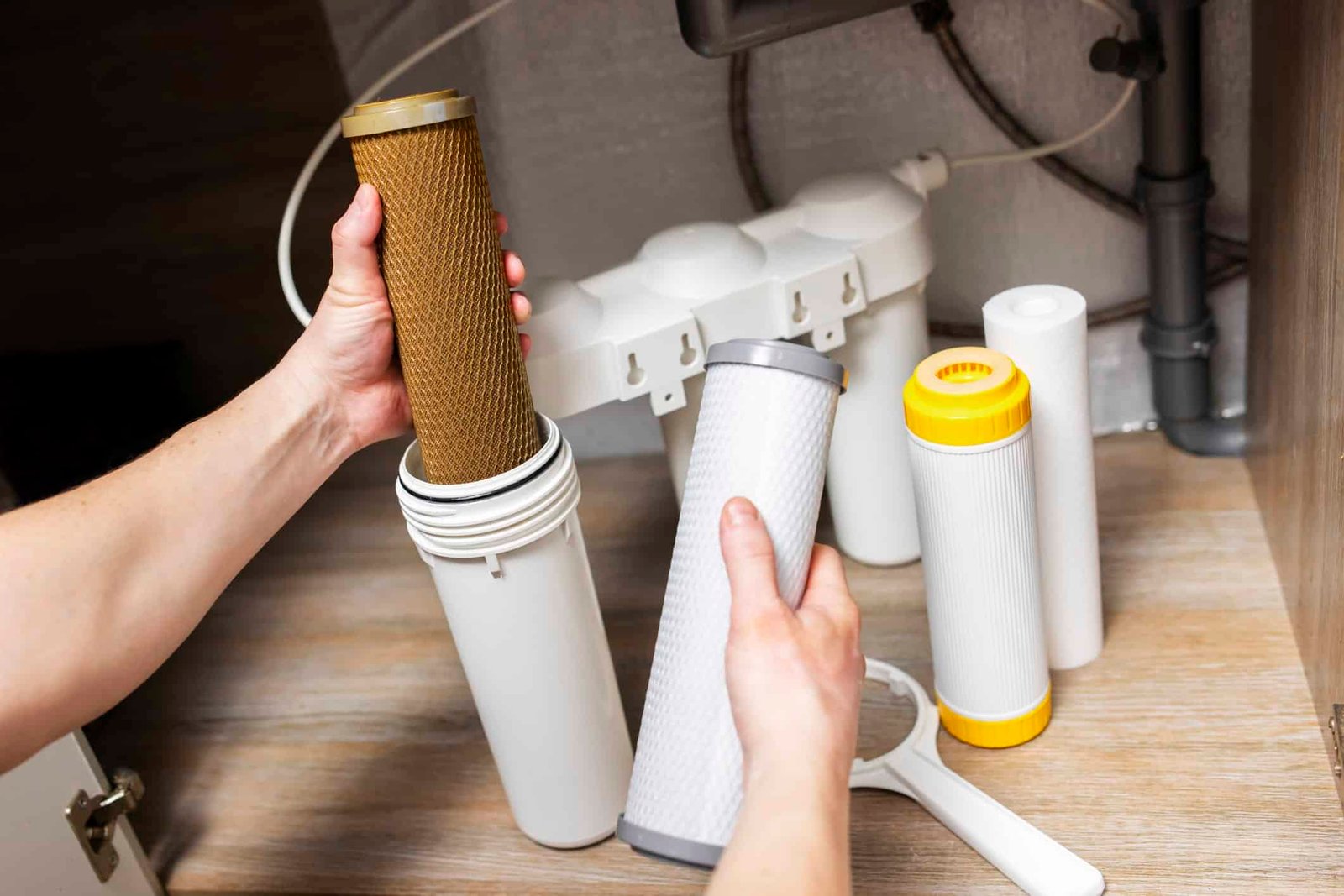
Some water filters are designed to capture sediment and physical particles. Carbon filters can improve taste and odor and reduce certain substances. Reverse osmosis systems use a membrane to reduce many dissolved substances and are commonly used for more intensive drinking-water treatment.
The choice depends on what you’re trying to accomplish.
If the issue is visible sediment, start there. If chlorine taste is the main complaint, carbon may be more relevant. If hardness is causing scale throughout the home, filtration alone may not solve it.
The most expensive option isn’t automatically the most effective.
Private Wells Need a Closer Look
Private well owners have a different relationship with their water supply. There’s no municipal treatment system between the groundwater and the household. The homeowner has to understand what the well is producing.
That’s why well water treatment should begin with testing rather than assumptions.
Well water can contain elevated minerals, iron, manganese, sediment, or other substances depending on local geology and groundwater conditions. Microbiological concerns can also occur and require appropriate testing and treatment.
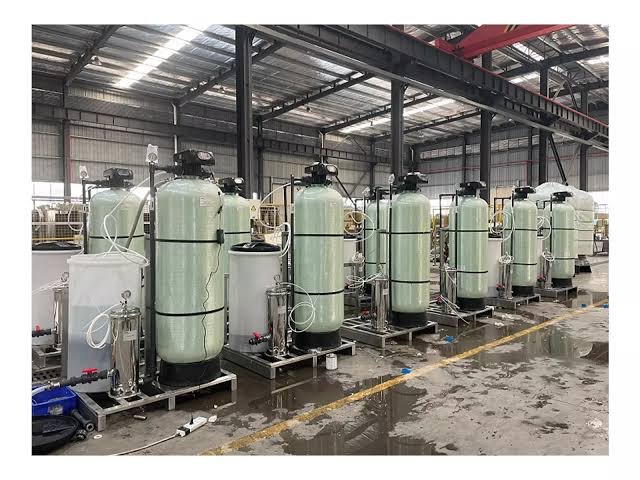
The right setup may include sediment filtration, softening, carbon filtration, iron reduction, disinfection, or other specialized equipment.
There isn’t a universal “well filter” that works for every property. Two wells in the same general area can have surprisingly different chemistry.
Look at the Whole House
Think about where you notice the water problem.
If only the kitchen drinking water concerns you, a point-of-use system may be enough. But if scale, sediment, odor, or other issues are present at multiple fixtures, whole-home treatment may make more sense.
This distinction can prevent overbuying.
There’s little reason to treat hundreds of gallons of household water if your only concern is the quality of the water you drink. On the other hand, installing a tiny faucet filter won’t address mineral buildup throughout the plumbing.
Treatment should match the size of the problem.
Household Water Demand Matters
Water treatment equipment needs to handle real household use, not just laboratory conditions.
Think about your busiest morning. Someone is showering while another person runs the dishwasher, the washing machine starts, and the kitchen faucet is turned on. That’s when an undersized system can reveal itself.
Consider household size, number of bathrooms, incoming pressure, peak flow requirements, and expected usage before choosing equipment.
Oversizing isn’t necessarily better either. A larger system may cost more, occupy more space, and require additional maintenance without offering much practical benefit.
The sweet spot is equipment that can comfortably handle your home’s normal demand.
Installation Should Be Planned for the Future
A treatment system may be relatively simple, but it still involves plumbing, valves, connections, and sometimes drains or electrical components.
Installation should leave enough room to change filters, inspect equipment, and reach shutoff valves. A system hidden behind other equipment might work perfectly on day one and become a headache when maintenance is needed six months later.
Think about service before installation is finished.
A clean, accessible setup is easier to understand and much easier to maintain. That’s not just convenient; it can help prevent small problems from becoming bigger ones.
Maintenance Is Part of the System
No treatment equipment is completely maintenance-free.
Filters become exhausted. Carbon media eventually needs replacement. Reverse osmosis membranes have service lives. Softening equipment requires attention. Disinfection systems can have components that need periodic replacement.
Keep a record of service dates. Follow the manufacturer’s recommendations. Don’t wait for water quality to become noticeably worse before checking the system.
A filter that has been forgotten for far too long isn’t doing you any favors.
For private wells, periodic water testing can also help confirm that the existing treatment approach still matches the water conditions.
Be Careful With Big Promises
Water treatment marketing can sometimes sound almost magical. One system claims to solve everything. Another promises water that’s perfect for every household.
Be skeptical of absolute claims.
No single treatment technology removes every possible contaminant. Different substances require different approaches, and treatment performance depends on equipment design, water chemistry, flow, maintenance, and operating conditions.
Ask what a system is designed to remove. Ask what testing supports the recommendation. Ask how often components need replacement.
A reputable provider should be comfortable answering those questions.
The Right System Should Make Life Easier
Good water treatment shouldn’t become a daily obsession.
Once the system is correctly selected, installed, and maintained, it should quietly do its work. You shouldn’t need to think about the equipment every time you fill a glass or turn on the shower.
That’s why the process matters.
Start with the water source. Test when appropriate. Identify the actual problem. Choose treatment technology that addresses it. Size the equipment for the household. Install it with maintenance in mind, and keep up with service.
It sounds straightforward because, in many cases, it is.
You don’t need every filter available. You don’t need the biggest tank in the showroom. You need a sensible solution for your particular water.
And when you’ve got that, the best result is often wonderfully boring: cleaner-feeling water, fewer stains, less scale, better taste, and one less household problem competing for your attention.