Water is so deeply woven into everyday life that we rarely stop to think about it. We drink it, cook with it, wash clothes in it, bathe in it, and use it to keep the house running. Most of the time, it simply works in the background.
Then the little signs start showing up.
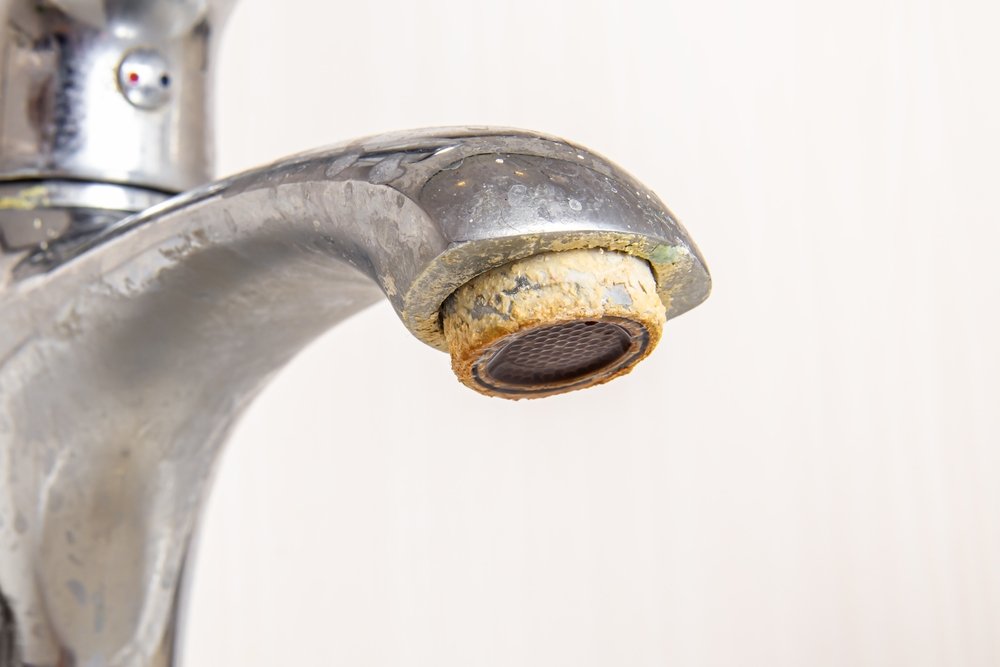
Maybe there are cloudy spots on your glasses. A showerhead develops a crusty ring. Soap doesn’t seem to rinse the way it used to, or the kitchen tap has a taste you don’t particularly enjoy. None of these things necessarily means there’s a major problem, but they can be hints that your household water could benefit from a closer look.
Choosing treatment doesn’t have to mean buying the most advanced equipment available. In fact, a thoughtful approach usually starts somewhere much simpler: understand the water, understand the home, and then choose a system that fits both.
Start With What Your Water Is Doing
Before comparing equipment, pay attention to the symptoms.
White scale around faucets may indicate hardness. Particles in an aerator could point toward sediment. A noticeable taste or odor may have several possible causes, including the water source, treatment process, plumbing, or a fixture.
The location of the problem matters, too.
If only one faucet tastes unusual, there may be no reason to treat the entire house. If every tap has the same issue, the source may be farther upstream.
It sounds obvious, but this kind of basic observation can prevent homeowners from spending money on a solution that doesn’t address the actual problem.
Hard Water Can Become a Daily Nuisance
Hard water is generally associated with calcium and magnesium. These naturally occurring minerals aren’t always a safety concern, but they can create plenty of household frustrations.
You might notice spots on glassware, scale on fixtures, or deposits inside water-using appliances. Cleaning may take more effort, and soap can behave differently.
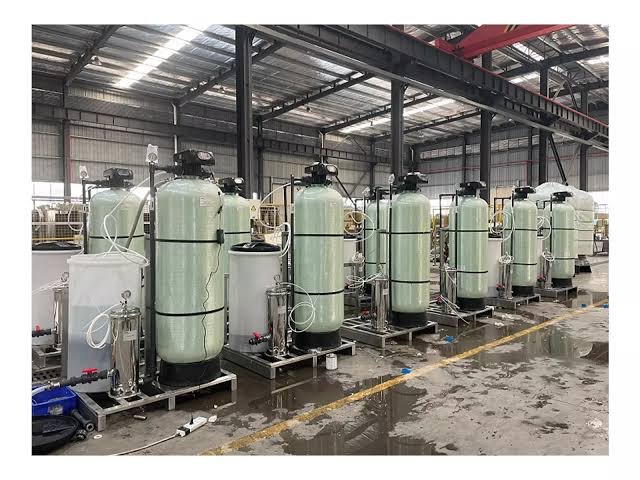
For homes where hardness is a persistent concern, water softeners can be one option. Traditional softeners use ion exchange to reduce calcium and magnesium in treated water.
However, the right system depends on hardness levels, household size, water consumption, and personal preferences. Bigger isn’t automatically better. Proper sizing is what really matters.
Whole-Home Filtration Has a Broader Purpose
Some homeowners want to improve water quality throughout the property rather than focusing on a single drinking-water faucet.
That’s where whole-home filtration systems can make sense. Installed at a central point, these systems can treat incoming water before it reaches multiple fixtures.
What they address depends on the filtration technology and media used. Some are designed for sediment, while others target particular taste and odor concerns or other water characteristics.
The important thing is to match the filter to the problem. “Whole-home” describes where the treatment occurs, not what every system can remove.
Drinking Water May Need a More Targeted Approach
The water you use for laundry doesn’t necessarily have the same treatment priorities as the water you drink.
Some families are primarily concerned with taste. Others may have specific water-quality concerns identified through testing.
In these situations, drinking water systems can provide treatment at the point where water is consumed. Depending on the water and treatment goal, options can include carbon filtration, reverse osmosis, or other technologies.
A targeted approach can be practical because it focuses treatment where it’s most important rather than automatically treating every gallon used in the house.
Testing Is Better Than Guessing
Clear water can still contain dissolved substances you can’t see. Conversely, cloudy-looking water isn’t necessarily dangerous.
That’s why water testing can be such a useful starting point.
Depending on the situation, testing may examine hardness, pH, iron, sediment, and other characteristics. Private well owners may have additional reasons to monitor their water regularly.
Testing isn’t about finding a reason to install equipment. It’s about understanding the water well enough to decide whether equipment is even necessary.
Sometimes the result is reassuring. Sometimes it points toward a straightforward treatment option. Either way, having information is better than guessing.
Consider the Water Source
Municipal water and private well water can behave quite differently.
Public supplies are generally treated before reaching the home, while private well owners are responsible for monitoring their own supply. Well water may have naturally occurring minerals, iron, sediment, odors, or other characteristics depending on local conditions.
This is why treatment should be based on the actual water rather than simply copying what someone else has installed.
Your neighbor’s system might be excellent for their home and completely unnecessary for yours.
Don’t Forget the Plumbing
Water treatment isn’t always the answer to a water-related complaint.
Older plumbing can influence taste or appearance. A dirty faucet aerator can collect particles. A water heater can contribute to problems that don’t appear in cold water.
If an issue occurs only at one fixture, investigate that fixture first.
If the problem appears throughout the house, then broader treatment may deserve consideration.
This simple distinction can save homeowners from turning a small plumbing issue into a major equipment purchase.
Think About Peak Water Demand
Treatment equipment needs to keep up with real household usage.
A family of five may have several showers, appliances, and faucets operating around the same time. A smaller household may have much lower demand.
Imagine a typical weekday morning. Someone is showering, another person is making coffee, the dishwasher is running, and the washing machine starts filling. That’s when an undersized system may struggle.
When choosing equipment, consider household size, number of bathrooms, appliances, and peak flow requirements.
A properly sized system should support normal use without unnecessarily restricting water pressure.
Installation Location Matters More Than It Seems
A treatment system needs enough space for connections, controls, drainage, and maintenance.
Don’t hide filters somewhere you’ll dread accessing later. Leave room around components and make sure important valves can be reached without moving half the utility room.
A clean installation isn’t just about appearance. It should make ownership easier.
Think about changing a filter at six in the morning before work. You’ll appreciate good access then.
Maintenance Keeps Things Running
Water treatment systems require attention over time.
Filters need replacement. Some equipment requires cleaning, sanitation, regeneration, or periodic inspection. Mechanical components can eventually wear.
The easiest approach is to create a simple routine. Keep track of replacement dates and service visits, and pay attention to changes in pressure, taste, odor, or appearance.
If something suddenly changes, investigate it.
A clogged filter or incorrect setting may be a relatively simple problem. Ignoring it for months can make the situation much more complicated.
Consider Long-Term Ownership
The purchase price isn’t the only cost to think about.
Replacement filters, consumables, electricity, servicing, and repairs all contribute to the overall expense. A cheaper system may not remain cheaper if it requires frequent replacement or specialized service.
Before buying, ask about normal maintenance and replacement parts. Find out what ownership looks like after the installation crew leaves.
That’s often where the real difference between systems becomes clear.
Don’t Buy Features You Won’t Use
Modern water equipment can include digital controls, automatic alerts, remote monitoring, and other conveniences.
Some are genuinely helpful. Others may simply sound impressive.
Ask yourself what a particular feature will change in your daily life. If it makes maintenance easier or provides useful information, it may be worthwhile. If you’ll never use it, there’s no need to pay extra just because it’s available.
Practicality tends to age better than novelty.
The Best System Is the One That Fits
Water treatment isn’t really about finding the “best” product. It’s about finding the right fit.
Your water source, household demand, plumbing, water-quality concerns, budget, and maintenance preferences all matter.
Start with testing when appropriate. Understand the problem. Choose equipment designed for that problem, and make sure it can handle the demands of your household.
Then take care of it.
When the system is properly selected and maintained, you shouldn’t spend much time thinking about it. The water simply feels better suited to the way your household lives.
And that’s really the goal—not complicated equipment for its own sake, but dependable water treatment that quietly makes everyday life a little easier.