There’s something reassuring about good water. You turn on the kitchen tap, fill a glass, and don’t give it a second thought. The shower doesn’t leave a stubborn film behind. Dishes come out clean. Appliances aren’t constantly fighting layers of mineral buildup. It all just works.
When water quality isn’t quite right, though, those little details become impossible to ignore. Maybe there’s a metallic taste, an unusual smell, cloudy spots on fixtures, or sediment collecting where it shouldn’t. Sometimes the problem is obvious. Other times, you only notice that something feels different.
Choosing a treatment system can help, but the process works best when you start with the water itself—not with a product brochure.
Know What You’re Trying to Fix
Water treatment is not a one-size-fits-all business. Different homes have different water sources, plumbing layouts, usage patterns, and concerns.
A basic water test can provide a clearer picture. Depending on the property, testing may look at hardness, pH, iron, manganese, sediment, bacteria, nitrates, and other characteristics. Private wells deserve particular attention because groundwater conditions can change over time.
It’s tempting to skip this step and go straight to equipment. After all, nobody gets excited about water testing. But spending a little time figuring out the problem can prevent a much more expensive mistake later.
Why Customized Treatment Makes Sense
A system that works perfectly for one household may be a poor match for another. Even neighboring homes can have different water conditions.
That’s why customized solutions are often more practical than generic treatment packages. The goal should be to build treatment around the actual water quality, household demand, and desired results.
For example, a home dealing mainly with hard water may benefit from a softener, while another property might need sediment filtration or treatment for iron and odors. A homeowner primarily concerned with drinking water could need a point-of-use solution rather than whole-house treatment.
The right answer depends on the details.
Hard Water Can Create a Long List of Small Problems
Hard water is one of those problems that tends to sneak up on people. It doesn’t usually cause an emergency. Instead, it leaves behind small reminders everywhere.
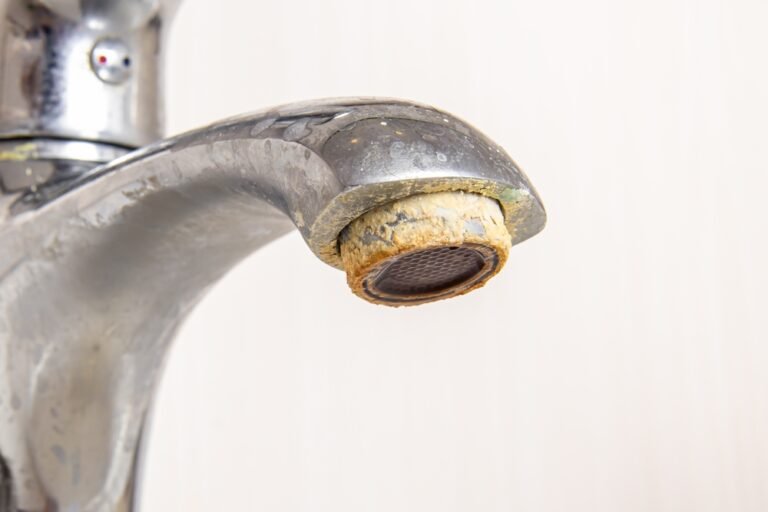
There may be white deposits around faucets, cloudy dishes, scale on showerheads, or buildup inside appliances that heat water. Cleaning becomes more frequent, and some fixtures simply don’t look as good as they should.
Water softening can reduce the minerals responsible for hardness and help limit scale formation. It can also make everyday cleaning less frustrating.
But if hard water is only one concern, softening alone may not be enough. Testing helps separate the symptoms from the underlying water conditions.
Installation Matters More Than It Looks
Good equipment isn’t much help if it isn’t installed properly. Connections, drainage, system sizing, flow rates, and settings all matter.
This is where professional testing & installation can make the process easier. A qualified provider can evaluate the water, determine which treatment technologies are appropriate, and install the equipment according to the home’s requirements.
Professional installation isn’t simply about making the equipment look neat under the sink or in a utility room. It can also help ensure the system operates as intended and that homeowners understand basic maintenance.
And let’s be honest—most people would rather have someone explain a complicated control panel once than spend an evening trying to decode it from a manual.
Consider How Your Household Uses Water
Water demand varies considerably from home to home.
A small household with one bathroom has different requirements from a large family with several bathrooms, frequent laundry, and multiple showers running during the morning rush.
Treatment equipment needs to be sized for those conditions. If a system is too small, it may struggle during periods of heavy use. If it is far larger than necessary, you may spend more money without receiving a meaningful advantage.
Peak flow is particularly important. Treatment isn’t just about how many gallons a household uses over a month. It’s also about what happens when everyone suddenly needs water at the same time.
Drinking Water and Whole-House Water Aren’t Always the Same
Many homeowners assume they need to treat every gallon of water entering the house. Sometimes that’s appropriate. Sometimes it isn’t.
If the primary concern involves drinking and cooking water, a point-of-use system may be a sensible choice. Reverse osmosis, for instance, is commonly used to provide more extensively treated water at a kitchen faucet.
On the other hand, if sediment, odors, or other water-quality problems affect showers, laundry, fixtures, and appliances, whole-house treatment may be worth considering.
The best system is the one that matches the problem and the way you use water.
Don’t Judge Equipment by Technology Alone
Water treatment has become a crowded market. There are systems with sensors, digital controls, multiple filtration stages, automatic regeneration, and plenty of impressive-sounding features.
Technology can certainly be useful, but more features don’t automatically equal better water.
What matters is whether the equipment is appropriate for the contaminants or water characteristics you’ve identified. Ask what the system is designed to remove. Ask what it doesn’t remove. Find out what maintenance is required and how often replacement components are needed.
A simple system that solves the actual problem is usually more valuable than a complicated system that looks impressive but isn’t properly matched to your water.
Quality Equipment Is a Long-Term Investment
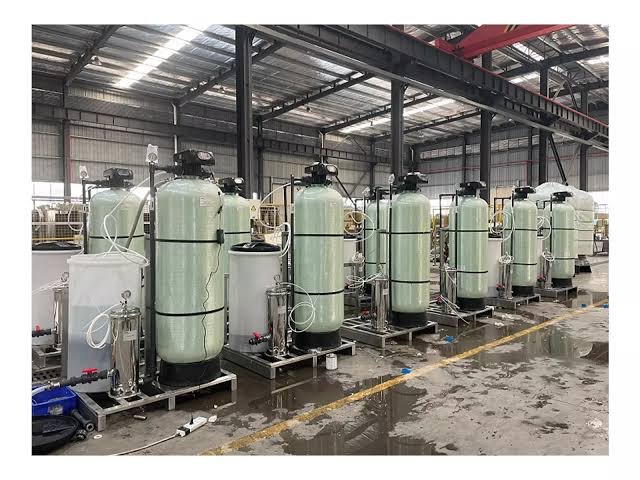
Choosing trusted equipment & technology can make a difference, especially when you expect the system to operate for years.
Look for equipment from established manufacturers and systems that have clear specifications, readily available replacement parts, and appropriate certifications where applicable. Ask about warranties, service, and maintenance before making a final decision.
The initial price matters, obviously. But it isn’t the only cost to consider.
Replacement filters, membranes, salt, servicing, electricity, repairs, and eventual component replacement can all affect the long-term expense. A slightly higher upfront investment may make sense if the system is reliable and easier to maintain.
Maintenance Shouldn’t Be an Afterthought
Every treatment system needs some attention.
Filters become saturated. Components wear out. Settings can drift. A reverse osmosis membrane eventually needs replacement. Water softeners require monitoring and, depending on the system, regular salt replenishment.
Ignoring maintenance can slowly reduce performance. You might notice declining water pressure, changes in taste, or the return of an odor that disappeared after installation.
Keep a simple record of service dates and filter replacements. Set reminders if necessary. It takes very little effort compared with dealing with a neglected system later.
Ask Questions Before You Buy
A good water treatment conversation should leave you better informed, not pressured.
Ask for a copy of your water test results. Ask why a particular technology is being recommended. Ask whether the system treats the entire house or only selected faucets. Find out what maintenance involves and what the ongoing costs are.
If someone can’t explain the system in plain language, that’s worth noticing.
You don’t need to understand every technical detail, but you should understand what you’re paying for and why it is appropriate for your home.
The Goal Is Water You Don’t Have to Think About
Ultimately, successful water treatment is less about having sophisticated equipment and more about having dependable results.
Start with testing. Identify the actual issue. Consider your household’s water demand and decide whether you need targeted or whole-home treatment. Choose equipment suited to those conditions, have it installed correctly, and keep up with routine maintenance.
Then let the system do its job.
The best outcome is wonderfully ordinary: clean-tasting drinking water, fewer mineral deposits, better-performing fixtures, and fewer little water-related annoyances scattered throughout the week.
You shouldn’t have to think about your water every time you turn on the faucet. When the treatment approach is chosen thoughtfully, that quiet sense of confidence is exactly what you get.