Choosing a water softener can seem straightforward until you begin comparing tank sizes, regeneration settings, salt usage, filtration options, and installation requirements. Many homeowners know they have hard water because of white spots on faucets, stiff laundry, dry-feeling skin, or scale inside appliances. What is less clear is which system will actually solve the problem without creating new maintenance headaches.
A water softener can be a useful investment, but it should not be selected based on advertising alone. The right equipment depends on the water entering the property, the amount of water the household uses, the plumbing layout, and the problems the homeowner wants to address. A little planning at the beginning can prevent an expensive mistake later.
Recognizing the Signs of Hard Water
Hard water contains elevated levels of calcium and magnesium. These minerals occur naturally and are not necessarily harmful, but they can create noticeable issues around the home.
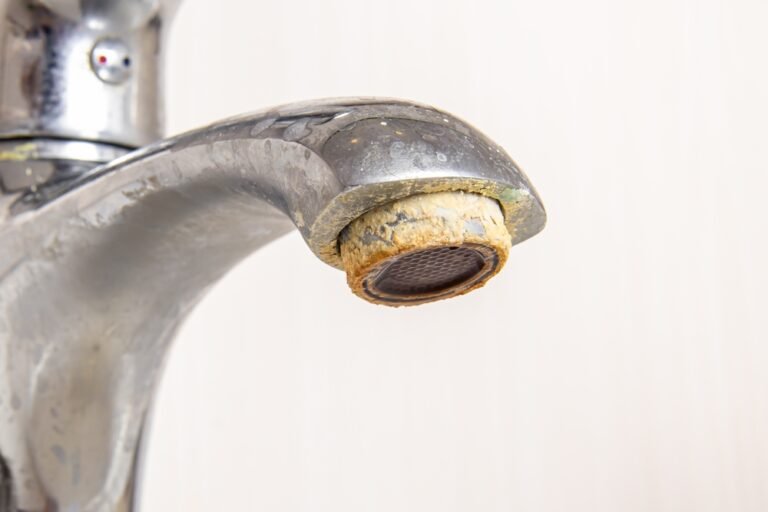
Common signs include cloudy glassware, chalky deposits around taps, soap that does not lather easily, and laundry that feels rough after washing. Showerheads may become blocked with scale, while water heaters and other appliances can collect mineral deposits internally.
Hard water may also leave a film on bathroom surfaces. Homeowners sometimes spend considerable time cleaning these marks, only to see them return a few days later. If the same mineral-rich water continues flowing through the property, surface cleaning alone cannot fully prevent the problem.
Recognizing these signs is useful, but visual evidence is not enough to determine the correct treatment. Testing provides a more accurate picture.
Begin with a Water Quality Assessment
Before buying equipment, arrange a water quality assessment to understand what is actually present in the water. A professional test can measure hardness and may also examine pH, iron, manganese, sediment, chlorine, total dissolved solids, and other relevant factors.
This step is particularly important for homes using private wells. Well water chemistry can vary according to local geology, rainfall, groundwater movement, and nearby land use. Even if the water has always seemed normal, unseen contaminants may still be present.
Municipal water should also be tested when homeowners notice changes in taste, odour, staining, or scale. Public water reports can offer useful background information, but water quality at the tap may also be influenced by household plumbing and the condition of internal pipes.
Testing helps distinguish between a hardness problem and a broader water-treatment issue. A softener may reduce calcium and magnesium, but it is not designed to remove every contaminant.
Understanding How a Water Softener Works
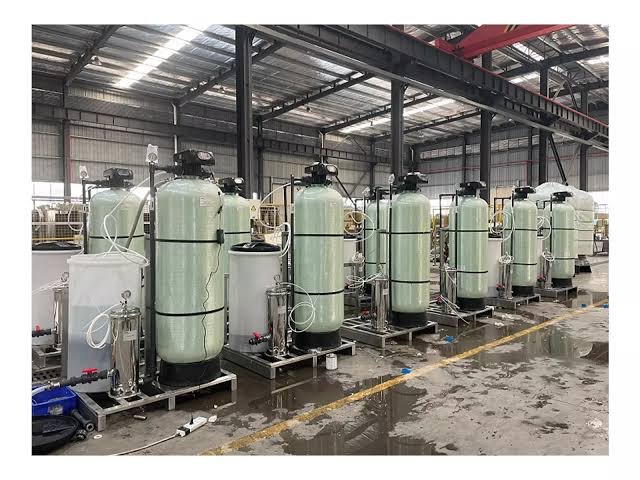
Most traditional water softeners use ion-exchange technology. Inside the main tank are resin beads that attract calcium and magnesium ions. As hard water passes through the resin, these minerals are exchanged for sodium or potassium ions.
Eventually, the resin becomes saturated. The system then enters a regeneration cycle, using a brine solution to flush away the collected hardness minerals and restore the resin’s capacity.
Many modern systems use metered controls. Instead of regenerating on a fixed schedule, they measure water consumption and initiate regeneration when the system needs it. This can help reduce unnecessary salt and water use.
It is important to remember that softening and filtration are not the same thing. A softener primarily addresses hardness. If the water also contains sediment, iron, bacteria, or chemical contaminants, additional treatment may be required.
How to Compare System Recommendations
Once the water has been tested, homeowners can begin reviewing system recommendations. These recommendations should be based on the test results and household requirements rather than simply choosing the largest or most expensive model.
System capacity is one of the main considerations. A softener must be able to treat the household’s water demand between regeneration cycles. If it is too small, the unit may regenerate frequently or allow hard water to pass through during busy periods. If it is too large, it may cost more and use additional resources without providing meaningful benefits.
Water hardness and daily consumption both influence capacity. A small household with very hard water may need a different system from a larger family with moderately hard water. Peak usage also matters, especially in homes with multiple bathrooms, frequent laundry, or several water-consuming appliances.
Other factors include control type, salt efficiency, warranty coverage, tank quality, bypass valves, and the availability of replacement parts. Homeowners should ask providers to explain why a particular model is being recommended.
Choosing Between Different Treatment Options
Salt-based softeners are widely used because they genuinely reduce hardness minerals. They are often suitable for households experiencing significant scale buildup and soap-related problems. However, they require salt replenishment and produce wastewater during regeneration.
Salt-free conditioners are another option. These systems generally do not remove calcium and magnesium. Instead, they aim to change how minerals form deposits. They may be useful in certain situations, but they should not be presented as identical to traditional softeners.
Some homes may also need a combination of treatment technologies. Sediment filtration can protect equipment from particles, carbon filtration may improve taste and odour, and reverse osmosis can provide more refined drinking water at a specific tap. The appropriate combination depends on the water test and the homeowner’s goals.
Preparing for Water Softener Installation
Proper water softener installation is essential for reliable performance. Even high-quality equipment can fail to deliver good results if it is poorly sized, incorrectly connected, or placed in an unsuitable location.
The installer will typically need access to the main water line, a drain, and sometimes an electrical outlet. The location should provide enough room for servicing, salt refilling, and future repairs. Garages, utility rooms, basements, and dedicated service areas are common installation points, provided they are protected from freezing temperatures and excessive moisture.
The plumbing layout should also be evaluated. Water pressure, pipe size, flow rate, and bypass arrangements can affect how well the system operates. A bypass valve is useful because it allows homeowners or technicians to isolate the softener when maintenance is required.
Installation should follow local plumbing requirements and the manufacturer’s instructions. Improper connections may result in leaks, pressure loss, or untreated water entering the home.
Maintenance and Operating Costs
A water softener is not a completely hands-off appliance. Salt-based units need regular checks to ensure the brine tank does not run empty. Salt bridging, clumping, or residue may interfere with regeneration and should be addressed promptly.
The system may also require periodic cleaning, inspection, and servicing. Control valves, injectors, resin performance, and drain lines should be checked according to the manufacturer’s maintenance schedule.
Operating costs include salt, water used during regeneration, electricity, replacement parts, and professional service. A correctly sized and efficiently programmed system can help control these expenses. Homeowners should consider long-term costs instead of focusing only on the initial purchase price.
If scale returns or water begins to feel hard again, the system should be inspected. The cause could be low salt, incorrect settings, exhausted resin, or a mechanical issue.
Making a Thoughtful Final Decision
The right water softener should solve a real household problem while fitting comfortably into the property’s budget and maintenance routine. The decision should begin with water testing, followed by a clear understanding of water usage and treatment goals.
Homeowners should compare equipment based on capacity, efficiency, installation requirements, service support, warranty terms, and expected operating costs. They should also ask what the system does not remove, because realistic expectations are just as important as product features.
A properly selected and maintained water softener can reduce scale, improve cleaning results, protect appliances, and make daily water use more comfortable. The smartest choice is not necessarily the newest or most powerful model. It is the one designed around the home’s actual water conditions and supported by dependable installation and service.