Plumbing is one of those household systems people rarely think about until something goes wrong. A shower suddenly turns cold, a pipe starts leaking behind the wall, or a toilet refuses to flush properly, and an ordinary day can become stressful in a matter of minutes. The truth is, a home depends on its plumbing system for far more than convenience. It supports hygiene, cooking, cleaning, heating, and the safe removal of wastewater.
Professional plumbing services help keep these essential systems working properly. Whether a property needs a new water heater, a gas line inspection, or updated bathroom fixtures, the quality of the installation and repair work matters. Choosing the right solutions today can reduce future problems, improve efficiency, and protect the property from avoidable damage.
Why Professional Plumbing Work Matters
Some plumbing tasks may appear simple, but the system behind them can be surprisingly complex. Water pressure, pipe sizing, drainage, ventilation, appliance connections, and local building requirements all influence how plumbing performs.
A quick DIY repair may seem affordable, but an incorrect connection or temporary patch can create bigger problems later. A small leak may spread into walls or flooring. An improperly installed appliance may operate inefficiently or create safety concerns. Professional plumbers have the training and equipment to identify the source of a problem and complete the work correctly.
Good plumbing service is not only about solving the immediate issue. It also involves considering the age of the system, the condition of surrounding components, and the long-term needs of the property.
Choosing the Right Water Heater
Hot water is essential for comfortable showers, dishwashing, laundry, and general household cleaning. When a water heater begins to fail, the signs may include inconsistent temperatures, strange noises, rusty water, leaks, or unusually high energy bills.
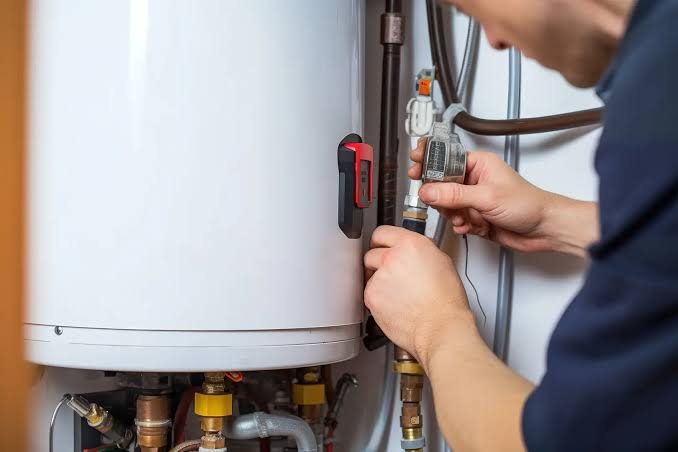
Professional water heater installations help ensure that the equipment is correctly sized, safely connected, and properly positioned. A unit that is too small may struggle to meet household demand, while an oversized system can waste energy and increase operating costs.
Homeowners typically choose between traditional tank-style water heaters and tankless models. Tank systems store a supply of heated water and are widely used in residential properties. Tankless units heat water as it passes through the system, which can save space and reduce standby heat loss.
The right choice depends on household usage, fuel type, available space, budget, and energy goals. A qualified plumber can explain the advantages and limitations of each option instead of treating one system as suitable for every home.
Maintaining and Repairing Water Heaters
Even a high-quality water heater needs attention over time. Sediment can collect inside tank-style units, reducing efficiency and contributing to unusual popping or rumbling sounds. Components such as heating elements, thermostats, pressure relief valves, and anode rods may also require inspection or replacement.
Water around the base of a tank should never be ignored. It may indicate a loose connection, faulty valve, or internal tank failure. While some issues can be repaired, a severely corroded or aging tank may be more practical to replace.
Homeowners should never attempt to dismantle gas-powered water heaters or interfere with electrical connections without proper training. Water heaters combine water, heat, gas, or electricity, so professional service is the safest approach when a serious problem appears.
Understanding Gas Line Services
Gas lines supply fuel to appliances such as stoves, furnaces, fireplaces, dryers, and certain water heaters. Because natural gas and propane can be hazardous when improperly handled, gas piping should always be installed, inspected, and repaired by qualified professionals.
Professional gas line services may include new gas line installation, leak detection, repairs, appliance connections, pressure checks, and safety inspections. A technician can evaluate whether the existing piping is suitable for a new appliance or whether modifications are required.
Warning signs of a gas leak can include a sulfur-like odor, hissing near a pipe or appliance, unexplained appliance shutdowns, or dead vegetation near an underground gas line. If a strong gas smell is present, everyone should leave the area immediately. Avoid operating electrical switches, lighting matches, or using anything that could create a spark. Contact the gas utility or emergency services from a safe location.
Gas work should never be treated as a casual home improvement project. Proper installation protects the household and helps ensure that appliances operate as intended.
Updating Fixtures for Better Everyday Use
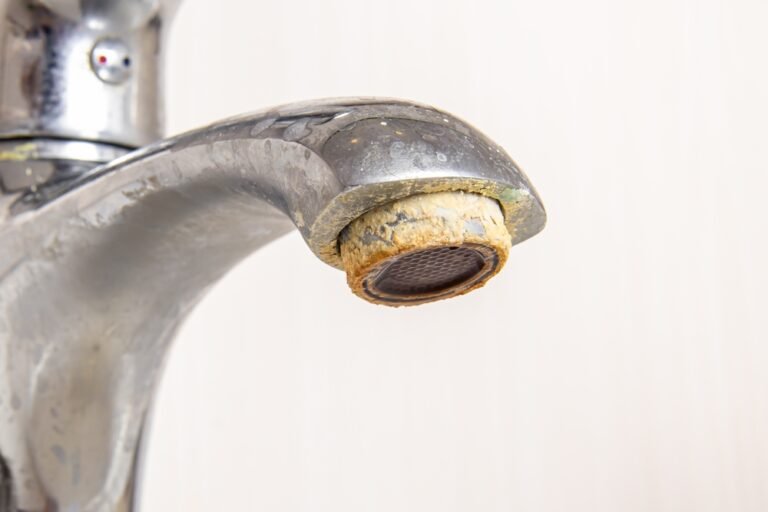
Fixtures may not seem as important as major plumbing equipment, but they influence water usage, comfort, appearance, and convenience. Old faucets may drip, toilets may flush poorly, and showerheads can become clogged with mineral deposits.
Planned fixture upgrades can refresh a bathroom or kitchen without requiring a complete renovation. Modern faucets often offer improved water efficiency and smoother operation. Low-flow showerheads can reduce water consumption while still providing a comfortable shower. New toilets may use less water and perform more reliably than older models.
Fixture replacement is also an opportunity to address accessibility and usability. Lever-style handles, handheld showerheads, comfort-height toilets, and touchless faucets may be helpful for older adults, people with mobility limitations, or households planning for long-term use.
Before purchasing a fixture, homeowners should check compatibility with existing plumbing connections, available water pressure, installation space, and maintenance requirements. A stylish product is only useful if it works properly within the home’s system.
Avoiding Common Plumbing Mistakes
Several everyday habits can place unnecessary strain on plumbing. Pouring grease down the kitchen sink can lead to hardened buildup inside drainage pipes. Flushing wipes, paper towels, and hygiene products may cause blockages. Ignoring a dripping faucet or running toilet can waste water and increase utility bills.
Chemical drain cleaners should also be used cautiously. They may provide temporary relief for minor clogs, but they cannot repair damaged pipes or resolve deeper sewer problems. Repeated use can also harm certain plumbing materials and create hazards for technicians.
Homeowners should pay attention to warning signs such as low water pressure, sewage odors, water stains, recurring clogs, and unexplained moisture. These symptoms may indicate a problem that needs professional attention rather than another temporary fix.
The Value of Preventive Plumbing Maintenance
Preventive maintenance is often less expensive and less disruptive than emergency repair. A plumber can inspect visible pipes, check valves, test water pressure, examine water heaters, and identify signs of corrosion or leakage.
Older homes may benefit from more frequent inspections, particularly if the property still has aging plumbing materials. Before remodeling a bathroom or kitchen, it’s also wise to evaluate the condition of the pipes behind the walls. Installing new fixtures on deteriorated plumbing may only postpone the problem.
Keeping track of repairs and replacement dates can help homeowners recognize patterns. If the same pipe or appliance requires repeated service, replacement may eventually make more financial sense than continued patchwork.
Making Thoughtful Plumbing Decisions
Reliable plumbing is an investment in the safety, comfort, and long-term condition of a property. Water heater installation, gas line maintenance, and fixture improvements each serve a different purpose, but all require careful planning and skilled workmanship.
The best approach is to avoid waiting until a small issue becomes a major emergency. Address leaks promptly, schedule inspections when needed, and ask professionals to explain both immediate repairs and long-term options. Clear information makes it easier to choose solutions that fit the home’s needs and budget.
Plumbing may remain hidden behind walls and beneath floors, but its influence is felt every day. With proper maintenance and professional support, homeowners can enjoy dependable hot water, safer gas appliances, efficient fixtures, and fewer unpleasant surprises. A little attention now can go a long way toward keeping the entire home running smoothly.