Home improvement projects have a way of starting with one simple thought: “We should probably fix that.” Maybe the roof looks worn, the gutters aren’t draining properly, or the exterior has begun showing signs of age. Before long, you’re comparing contractors, looking at materials, checking prices, and wondering how a small idea became a serious project.
That’s normal. Big property improvements involve plenty of moving pieces.
The trick is not to know everything about construction. It’s to ask the right questions early, understand the condition of the property, and avoid making expensive decisions based on assumptions. A little preparation can make the entire process calmer, especially when you’re dealing with work that affects the structure and weather protection of your home.
Start With the Property, Not the Price
Before looking at estimates, take a realistic look at what the property actually needs.
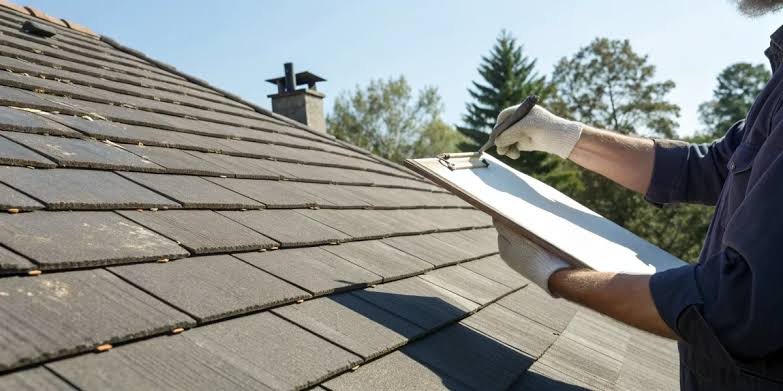
Walk around the exterior when conditions are safe. Look for damaged roofing materials, cracked siding, clogged gutters, peeling paint, visible moisture, or areas where water seems to collect. Inside, check ceilings and walls for stains or unusual odors.
A simple property inspection checklist can help you stay organized. It doesn’t have to be complicated. Write down visible concerns, photograph anything unusual, and note when you first noticed the problem.
This information can be surprisingly useful when talking with contractors. Instead of saying, “Something seems wrong with the roof,” you can explain exactly what you’ve noticed and when it happens.
Don’t Assume Every Problem Requires Replacement
Homeowners often see an aging roof and immediately think about replacement. Sometimes that’s the right answer. Sometimes it isn’t.
A roof with a few damaged shingles, loose flashing, or a localized leak may still have plenty of useful life remaining. On the other hand, widespread deterioration, repeated leaks, structural concerns, or extensive storm damage can make replacement the more sensible option.
The condition of the entire system matters.
Ask a contractor to explain what they found and why they recommend a particular solution. If you’re being advised to replace a relatively young roof, a second opinion may be worth getting.
You don’t need to be suspicious of every recommendation. Just make sure you understand it.
Estimates Should Tell a Story
A roofing estimate shouldn’t simply contain one large number at the bottom of a page.
It should give you a reasonable picture of the work involved, including materials, labor, removal, disposal, preparation, and other relevant components.
When comparing contractors, look at what each estimate includes. One company may quote a higher price because it has included additional flashing, damaged decking replacement, better underlayment, or more extensive cleanup.
A lower price isn’t necessarily a better deal if important work has been left out.
If you’re working with a roof estimator, use the conversation to ask questions rather than simply requesting the lowest possible figure. Find out what assumptions the estimate is based on and what circumstances could change the final cost.
Materials Are Only Part of the Equation
Choosing roofing materials can be surprisingly personal. Appearance matters because you’ll see the roof every day, but performance should come first.
Consider your local climate, roof design, expected service life, maintenance requirements, and budget. Asphalt shingles remain a popular option for many homes, while metal and other materials may be appropriate for different properties.
Don’t choose a material just because it looks impressive in a brochure.
Ask how it performs in your area’s weather and whether the proposed installation method is appropriate for your roof.
A good contractor should explain the advantages and limitations rather than presenting one product as the universal answer.
Look Under the Surface
One of the easiest mistakes during a renovation is focusing only on what can be seen.
Roofing materials sit over other components, including decking and underlayment. If moisture has been present for a long time, hidden deterioration may exist underneath an otherwise ordinary-looking surface.
This is why homeowners should ask how unexpected damage will be handled.
If damaged decking is discovered after old roofing materials are removed, will the contractor contact you before proceeding? Is replacement priced separately? How will the additional cost be documented?
These questions aren’t pessimistic. They’re practical.
Think About Drainage Too
A good roof needs somewhere for rainwater to go.
Gutters, downspouts, roof slopes, and surrounding drainage all influence how water moves away from the property. If water repeatedly collects near the foundation or overflows from the gutters, the problem deserves attention.
During a larger renovation, it’s worth evaluating drainage rather than treating it as an unrelated issue.
Sometimes the best improvement isn’t the most obvious one. Redirecting runoff or correcting a drainage problem can protect exterior materials and reduce the chance of future moisture damage.
Don’t Forget Flashing and Ventilation
Flashing protects vulnerable transitions around chimneys, skylights, vents, walls, and other roof penetrations. These areas can be particularly susceptible to leaks when materials deteriorate or installation is poor.
Ventilation is another detail that’s easy to overlook.
An attic that stays excessively hot or damp can create problems over time. Proper ventilation works with insulation to help manage temperature and moisture.
If you’re replacing or substantially repairing a roof, ask whether these components will be inspected.
They’re not the glamorous part of the project, but they can matter considerably once the work is finished.
Renovation Planning Should Include the Rest of the Home
Roofing work can overlap with other exterior improvements.
Perhaps you’re replacing siding, updating windows, improving gutters, or making structural changes. In that case, the order of work matters.
For example, completing one exterior improvement and then having another contractor damage or remove part of it can create unnecessary expense.
If you’re planning a roofing or renovation project, discuss the overall sequence with everyone involved. Coordinating trades can reduce duplicated work and make the property easier to manage while construction is underway.
It’s one of those things that’s easier to plan on paper than fix afterward.
Weather Can Change Everything
Construction schedules look neat until real weather gets involved.
Rain, high winds, extreme temperatures, and storms can delay roofing work. That’s frustrating, especially when you’re eager to get the project finished, but rushing installation under unsafe or unsuitable conditions isn’t a good trade-off.
Ask contractors how weather delays are handled and how exposed materials will be protected.
A realistic schedule is better than a promise that only works if every day is sunny.
Prepare Your Property Before Work Starts
Roofing and exterior renovations can be noisy and messy.
Move fragile outdoor items where possible. Consider where vehicles will be parked. Protect pets from unfamiliar activity. If you work from home, prepare for periods of considerable noise.
Ask the contractor how landscaping, windows, doors, and other vulnerable areas will be protected.
Also clarify how debris will be collected and where materials will be stored.
These details may seem minor, but they can make construction noticeably less stressful.
Communication Is a Major Part of Good Work
A contractor doesn’t need to call you every hour. But you should know how communication will work.
Find out who your primary contact is, when you’ll receive updates, and how changes will be approved.
Unexpected issues sometimes happen during construction. Hidden damage may appear. Materials can become unavailable. Weather can interfere with the schedule.
Good communication doesn’t eliminate surprises, but it makes them much easier to manage.
Think Beyond the Finished Photograph
A newly renovated exterior can look fantastic on the day the workers leave. But the real test comes months and years later.
Will water drain properly? Are vulnerable areas sealed? Was the underlying damage addressed? Are ventilation and flashing functioning correctly? Were quality materials installed properly?
Those questions matter more than a perfect project photograph.
The best home improvement work combines appearance with practical performance.
Make Decisions You Can Feel Good About Later
A major property project can be stressful because there is money, time, and trust involved.
You can make the process easier by slowing down at the beginning. Inspect the property. Document what you see. Compare detailed estimates. Ask about materials and hidden conditions. Understand warranties. Check contractor credentials and insurance where applicable.
Most importantly, don’t be afraid to ask questions that seem obvious.
A good professional would rather explain something now than deal with confusion later.
Your home doesn’t need the flashiest renovation on the block. It needs thoughtful work that suits the property, handles the local conditions, and holds up over time.
That’s what smart planning is really about — not eliminating every uncertainty, but understanding enough of the project to make confident decisions before the first hammer swings.