Water is one of those household essentials that usually stays in the background. We turn on the tap, fill a glass, rinse vegetables, make tea, and move on with the day. But when the taste changes, a strange smell appears, or mineral spots start showing up around the sink, we suddenly pay attention.
The truth is, water quality can vary quite a bit depending on where it comes from and what it picks up along the way. Municipal supplies, private wells, old plumbing, and local geology can all influence what’s coming out of a faucet. Some issues are easy to notice, while others aren’t visible at all.
That’s why choosing a suitable filtration method isn’t simply about buying the most expensive filter on the shelf. It’s about understanding your water, knowing what you want to improve, and finding a system that fits your household without making everyday life unnecessarily complicated.
Start by Understanding Your Water
Before choosing any filtration equipment, it helps to know what you’re actually dealing with. Water that tastes fine may still contain dissolved minerals or other substances that you would prefer to reduce. On the other hand, a strong taste or cloudy appearance doesn’t automatically mean the water is unsafe.
A water test can provide useful information. Testing may identify hardness, pH, minerals, metals, or other water-quality characteristics. For households using private wells, periodic testing can be especially valuable because well conditions can change over time.
Once you know the issue, choosing a filter becomes much easier. Otherwise, you’re basically shopping in the dark.
Different Filters Do Different Jobs
One of the most common mistakes people make is assuming every water filter works in the same way. It doesn’t.
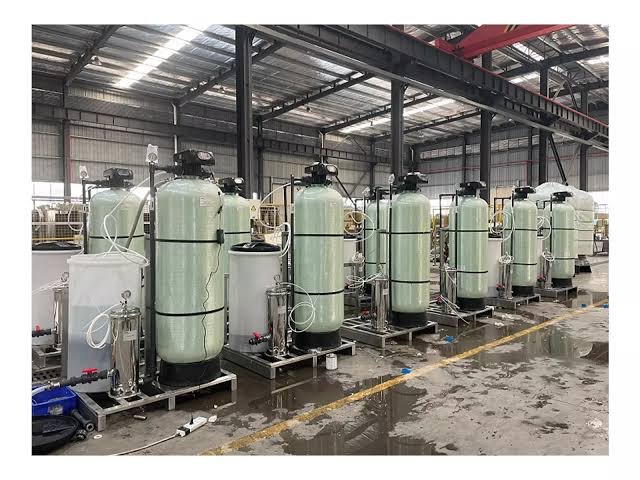
Some filters are designed mainly to improve taste and odor. Others target sediment, chlorine, hardness, or specific contaminants. There are also systems that combine several technologies to address more than one concern.
For example, alkaline filters are often used to increase the pH of filtered water by adding certain minerals. They may appeal to people who prefer a particular taste or are interested in mineral content. However, alkaline water shouldn’t be treated as a cure-all. Marketing claims around its health benefits can sometimes go far beyond what scientific evidence actually supports.
The important thing is matching the technology to the water problem rather than choosing a filter simply because it sounds advanced.
Taste Matters More Than People Admit
Water quality isn’t only about laboratory numbers. Taste matters, too.
If water has a noticeable chlorine taste, metallic flavor, or unpleasant odor, people may avoid drinking it even if it meets applicable safety standards. That can lead to reaching for bottled drinks more often, which adds cost and creates more plastic waste.
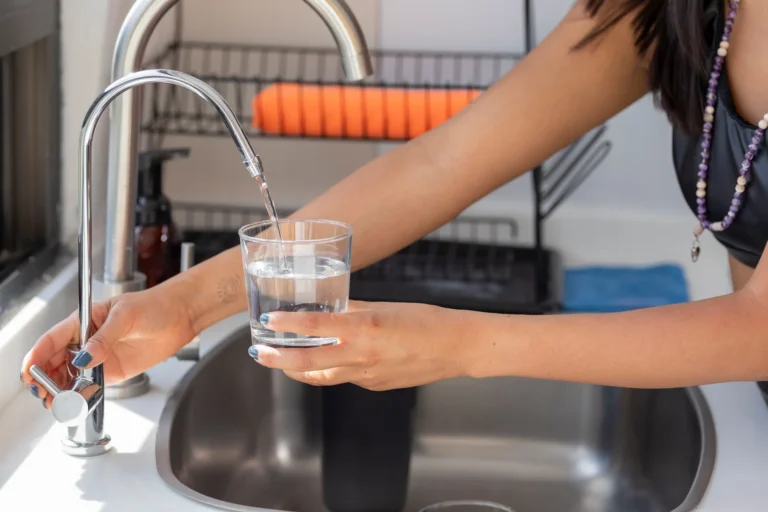
A suitable filter can make tap water more enjoyable and convenient. For many households, that’s the real benefit. There’s no need for a dramatic transformation; sometimes making water taste fresh is enough to change daily habits.
And drinking more water is generally easier when the water sitting in your glass actually tastes good. It sounds obvious, but small changes in convenience often have a bigger effect than people expect.
Better Water Can Change the Kitchen Routine
Water plays a surprisingly large role in food preparation. It goes into rice, pasta, soups, sauces, coffee, tea, and plenty of other everyday recipes.
If water contains a noticeable amount of chlorine or has a strong mineral taste, it can subtly influence the final result. Coffee lovers, in particular, may notice differences because the flavor of brewed coffee depends heavily on the quality and mineral balance of the water.
Better water doesn’t magically make someone a better cook, of course. But when the basic ingredient is cleaner and more pleasant, cooking can become a little more enjoyable.
There is also the practical side. Some types of hard water can leave scale inside kettles, coffee machines, and other appliances. Reducing the minerals responsible for that buildup may help keep equipment cleaner, although the right solution depends on the hardness level and the specific appliance.
Don’t Choose a Filter Based Only on the Price
It’s tempting to compare two filters and choose the cheaper one. But the purchase price is only part of the story.
Replacement cartridges, installation, maintenance, water usage, and filter availability can all affect the long-term cost. A relatively inexpensive system may become costly if its cartridges need frequent replacement or are difficult to find.
On the other hand, the most expensive system isn’t automatically the best fit either. You may end up paying for features you don’t need.
A better approach is to look at the complete ownership picture. How often does the filter need changing? What does a replacement cost? Does the system require professional installation? Is there a warranty? Can you easily find replacement parts?
These questions aren’t exciting, but they’re the ones that matter six months after the purchase.
Think About Maintenance Before Installation
Every filtration system requires some level of maintenance. Filters eventually become saturated, membranes need servicing, and connections should occasionally be checked.
Ignoring maintenance can reduce performance and sometimes create new problems. A filter that hasn’t been changed for too long may stop doing its job effectively. In some cases, it can even contribute to unpleasant taste or odor.
The easiest solution is to keep a simple record of installation and replacement dates. Set a reminder on your phone if necessary. It takes a minute and can save a lot of frustration later.
Whole-Home or Point-of-Use?
Another decision is whether you need filtration for the entire house or only for specific taps.
A point-of-use system, such as an under-sink filter, can make sense if your main goal is improving water for drinking and food preparation. It’s usually more targeted and can be less expensive.
Whole-home filtration treats water as it enters the property, which may be useful when there are broader concerns involving showers, laundry, fixtures, or multiple bathrooms.
Neither option is automatically right for everyone. The choice depends on the quality of the incoming water and what you want the treatment system to accomplish.
A Little Research Goes a Long Way
Shopping for water filtration can feel confusing because there are countless claims, specifications, and product names competing for attention. Try not to get distracted by flashy language.
Look for information about what the system is specifically designed to reduce. Check certifications where relevant, understand the maintenance requirements, and consider independent water testing if you’re uncertain about your home’s water.
Most importantly, don’t assume that one technology solves every problem. Filtration works best when it’s selected around a clearly identified need.
Making Water Quality a Practical Choice
Better water doesn’t necessarily require a complicated setup or a huge investment. Often, the smartest first step is simply understanding what’s coming out of your tap.
Once you know the main concern, you can compare filtration options based on their actual purpose rather than marketing promises. Maybe you need sediment filtration. Maybe taste and odor are the main issue. Perhaps hardness is causing scale around the home. Or you may need a more specialized treatment method.
The goal isn’t to make water treatment sound mysterious or overly technical. It’s to make a sensible choice that works quietly in the background.
After all, the best home filtration system is usually the one that fits your water, your budget, and your routine. When those three things line up, cleaner-tasting water becomes less of a project and more of something you simply enjoy every day.