Water treatment can seem wonderfully simple from a distance. You have a water problem, you buy a filter, and the problem goes away.
If only it worked that neatly.
Walk into the world of home water treatment and suddenly there are membranes, cartridges, tanks, resin, flow rates, micron ratings, certifications, and enough product descriptions to make your head spin. One system promises better taste. Another talks about hardness. A third claims to provide comprehensive protection for the entire house.
So where do you begin?
Usually, not with the equipment.
The smarter starting point is your water itself and the specific things you’re hoping to improve. Once you know what you’re dealing with, choosing a treatment method becomes much less mysterious.
First, Figure Out What Your Water Needs
Homeowners often notice a problem before they know its cause.
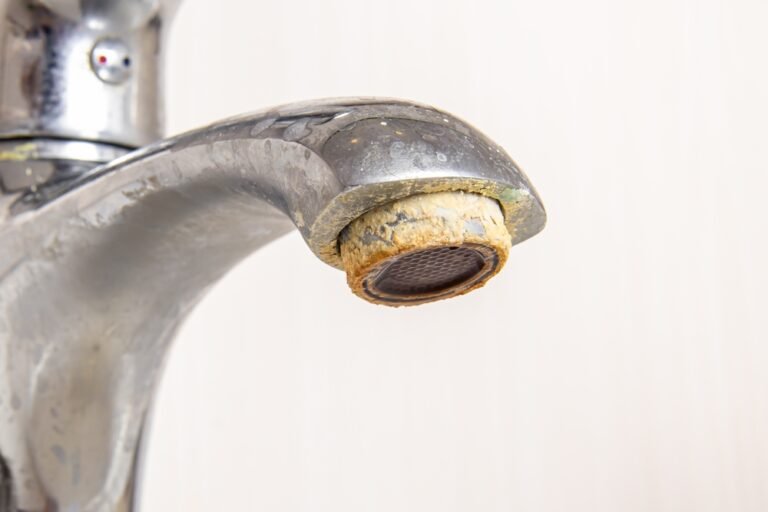
Maybe there’s white buildup around the faucets. Perhaps the water tastes unusual, leaves stains in the sink, or contains visible particles. Sometimes the biggest complaint is simply that coffee, tea, or drinking water doesn’t taste as pleasant as expected.
Those observations are useful, but they’re only the beginning.
A water test can provide information about hardness, pH, dissolved minerals, and other characteristics, depending on the test. If you’re concerned about a particular contaminant, you’ll want testing designed to measure that specific concern.
This matters because treatment equipment is not one-size-fits-all.
A system that works beautifully for one water problem may do very little for another.
Don’t Confuse Filtration With Softening
This is one of the easiest mistakes to make.
Filtration and softening serve different purposes. A sediment filter, for example, is intended to capture particles. Carbon filtration can help improve taste and odor and reduce certain substances.
A traditional softener, meanwhile, is designed primarily to reduce hardness minerals such as calcium and magnesium.
If you’re seeing scale on faucets and shower doors, a basic filter may not solve the issue.
Likewise, if your main complaint is chlorine taste, installing a softener isn’t likely to address what you’re actually noticing.
The technology needs to match the problem.
Where Reverse Osmosis Fits In
For drinking and cooking water, reverse osmosis systems are often considered when homeowners want more extensive point-of-use treatment.
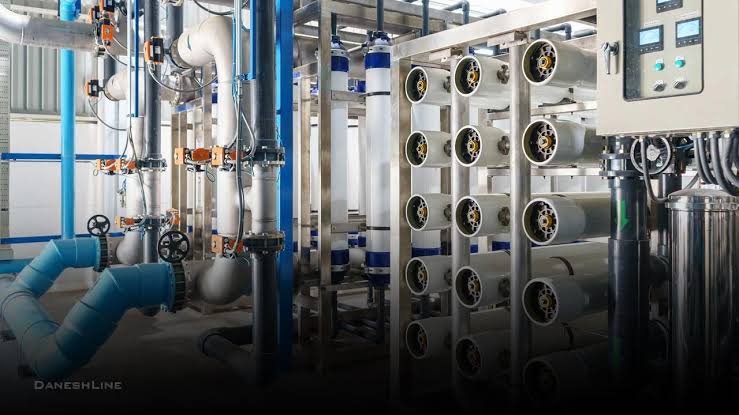
Reverse osmosis works by using pressure to push water through a semipermeable membrane. The membrane allows water to pass while reducing many dissolved substances. Systems commonly combine the membrane with other filtration stages to provide additional treatment.
They’re often installed beneath a kitchen sink, which makes them convenient for households that want highly treated water at a specific faucet without treating every gallon entering the home.
There are trade-offs, of course.
Filters and membranes need periodic replacement, and many reverse osmosis systems discharge some water during operation. Installation also needs to be done correctly.
It’s an effective technology, but “more filtration” isn’t automatically the same thing as “better for everyone.”
Don’t Forget About Sediment
Sometimes the problem is much less complicated than homeowners expect.
If your water contains sediment, you may notice particles collecting in faucet aerators, staining fixtures, or clogging filters. Sand, silt, rust particles, and other suspended material can enter water supplies for various reasons.
A properly selected sediment filter can help capture these particles before they travel farther into the home’s plumbing.
But sizing matters.
A filter that’s too restrictive can affect water flow, while one that isn’t appropriate for the type or volume of particles may clog quickly.
If a filter seems to become blocked much faster than expected, don’t simply keep replacing it. Find out why.
There may be an unusually high sediment load that needs a different filtration approach.
Think About Where Treatment Is Needed
Ask yourself a surprisingly simple question: Where is the problem?
If you’re mainly concerned about drinking water, point-of-use treatment may be enough.
If your shower, laundry, kitchen, and other fixtures are all affected, whole-home treatment may make more sense.
Whole-house systems treat water as it enters the property. That means the water reaching multiple fixtures receives treatment, not just the water coming from one kitchen faucet.
Neither approach wins automatically.
Treating the whole house can cost more and require larger equipment, while point-of-use treatment may leave other water-quality concerns untouched.
Your household determines which approach is practical.
Flow Rate Deserves More Attention
People naturally focus on what a system removes. They don’t always think about how much water it can deliver.
That can become a problem.
Imagine having a beautifully filtered water system that causes the shower to slow to a trickle whenever someone starts the washing machine.
Not exactly the dream.
Check the manufacturer’s rated flow and compare it with your home’s expected demand. Larger households, homes with multiple bathrooms, and properties with high simultaneous water use may need equipment with greater capacity.
Proper sizing is one of those details you don’t appreciate until it’s wrong.
Maintenance Doesn’t Stop After Installation
Every treatment system requires some level of maintenance.
Filters need replacing. Reverse osmosis membranes eventually need attention. Water softeners may require salt and periodic servicing. Other treatment technologies have their own maintenance schedules.
Before purchasing, ask about the practical side of ownership.
How often do components need replacing? How much do they cost? Are parts readily available? Can you perform simple maintenance yourself?
These questions aren’t nearly as exciting as looking at product features, but they’re much more important over the long run.
A system that’s affordable to install but expensive to maintain can become a frustrating purchase.
Let Your Treatment Goals Lead the Decision
It’s easy to get distracted by impressive specifications.
Instead, define your treatment goals first.
Do you want better-tasting drinking water? Less scale? Cleaner-looking water? Reduced sediment? Protection for appliances? Treatment throughout the entire house?
Once those priorities are clear, the equipment conversation becomes easier.
For example, a homeowner primarily concerned about drinking-water taste may not need a whole-house system. Someone dealing with significant hardness throughout the plumbing may need a different strategy altogether.
Start with the outcome you want rather than the product you’re being sold.
Consider Your Water Source
Where your water comes from can influence treatment decisions.
Municipal water supplies and private wells have different characteristics and testing considerations. Well owners, in particular, should pay attention to changes that may occur seasonally or after heavy rainfall.
If you’re on a private well, regular testing can help you understand whether your treatment equipment is still appropriate.
Even municipal water can be affected by household plumbing. If an issue appears at only one faucet, the source may be local to that fixture rather than the entire water supply.
That little detail can prevent a lot of unnecessary spending.
Be Careful With “All-in-One” Claims
There’s something appealing about an all-in-one solution.
One tank. One installation. One simple answer.
Sometimes that’s exactly what a home needs. Sometimes it’s a clever way to sell technology you don’t actually require.
Ask what each treatment stage is designed to accomplish. Look for relevant certifications and performance information where applicable. If a system makes a claim about reducing a particular contaminant, check whether that claim is supported by appropriate testing or certification.
A reputable provider should be able to explain the system without hiding behind vague phrases.
If you understand what you’re paying for, you’re in a much better position.
Price Isn’t the Whole Story
The initial purchase price is only one part of the equation.
Consider installation, replacement filters, electricity, salt, servicing, and expected equipment lifespan.
A slightly more expensive system may prove more economical if its maintenance costs are lower and replacement parts are easy to find.
On the other hand, paying for unnecessary features doesn’t make sense either.
The goal is value, not simply spending more.
Make the Decision Slowly
There’s rarely a good reason to panic-buy water treatment equipment.
Unless you’re dealing with an active leak, an immediate safety concern, or another urgent situation, take some time to understand the issue.
Test the water. Compare treatment methods. Ask questions. Look at maintenance requirements. Think about your household’s actual water usage.
Then choose.
The best water treatment system isn’t necessarily the biggest, newest, or most complicated option available. It’s the one that addresses your particular water conditions and fits comfortably into your everyday life.
Once it’s installed and maintained properly, you may stop noticing it altogether.
And that’s probably the nicest thing a home improvement can do: quietly make life easier without demanding much attention in return.