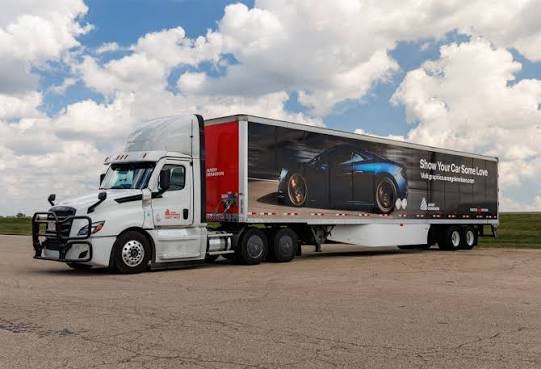
A vehicle wrap can completely change the way a car, van, truck, or commercial fleet looks. It can turn an ordinary vehicle into a moving advertisement, refresh an outdated appearance, or protect the original paint from everyday wear. But while the design often gets most of the attention, the quality of the installation and removal process matters just as much.
A great design printed on premium vinyl can still look disappointing if the material is installed poorly. Wrinkles, bubbles, uneven edges, and lifting corners can quickly make a professional business appear careless. Likewise, removing a wrap without the right tools or experience can damage the paint underneath. In other words, a wrap is only as successful as the people handling it.
The Importance of a Proper Installation
Installing a vehicle wrap is not simply a matter of placing a large sticker over a car. It requires patience, precision, and an understanding of how vinyl behaves across different surfaces. Vehicles have curves, body lines, handles, mirrors, trims, and recessed areas that make the process more complicated than it may seem.
During professional wrap installation, technicians carefully clean and prepare the vehicle before applying the vinyl. Even a small amount of dust, grease, wax, or moisture can affect how well the material bonds to the surface. Preparation may involve washing, degreasing, drying, and inspecting the paint for chips, rust, or damaged areas.
The vinyl is then positioned and applied gradually. Installers use specialized squeegees, heat tools, knives, and tension techniques to guide the material around difficult sections. Heat helps the vinyl become more flexible, but too much heat can stretch or distort it. That balance is something experienced installers learn through practice.
A proper installation also considers the natural movement of the vehicle. Doors open and close, panels expand and contract in changing temperatures, and exposed edges face wind, rain, dust, and road debris. Vinyl must be applied in a way that allows it to remain secure under these conditions.
Why Surface Preparation Cannot Be Ignored
One of the most common reasons a wrap fails early is poor surface preparation. A vehicle may look clean at first glance, but invisible contaminants can remain on the paint. Silicone-based products, polish residue, oil, and road film can prevent the adhesive from forming a strong bond.
Professional installers usually inspect the entire surface before beginning. They may remove badges, trim pieces, door handles, or other parts when necessary to create cleaner edges and a more seamless finish. Although this can take extra time, it often makes the final result look far more refined.
The condition of the paint is also important. Wrap vinyl generally performs best when applied to smooth, properly cured paint. If the surface is peeling, heavily oxidized, or already damaged, the wrap may not adhere correctly. In some cases, removing the vinyl later could pull away weak paint. A reputable installer should explain these risks before work begins rather than promising unrealistic results.
Vehicle Graphics Are More Than Decoration
For businesses, wraps serve a practical purpose beyond appearance. Carefully designed vehicle graphics can help a company become recognizable wherever its vehicles travel. A branded van parked outside a customer’s home, a delivery truck moving through traffic, or a service vehicle at a job site can create repeated exposure without requiring a separate advertising placement each time.
Effective graphics usually include more than a logo. They may feature a business name, phone number, website, service description, colors, and a short message that people can understand quickly. Since drivers and pedestrians often see a wrapped vehicle for only a few seconds, the design needs to be clear rather than overloaded with information.
Placement matters, too. Important details should remain visible across doors, panels, and curved surfaces. Text placed near seams or handles may become difficult to read. A good designer considers the vehicle’s shape before preparing the artwork, not after the vinyl has already been printed.
The best designs often use simple visual ideas. A bold logo, a strong color combination, and one clear service message can be more memorable than a crowded layout filled with tiny text. The goal is not to say everything. It is to make the right information easy to remember.
Common Installation Problems to Watch For
Even a well-designed wrap can develop problems when installation is rushed. Small bubbles may appear if air becomes trapped beneath the vinyl. Wrinkles can form when the material is stretched unevenly. Edges may lift when the surface was not prepared properly or when the vinyl was forced too far around a difficult curve.
Other warning signs include visible seams, mismatched panel alignment, rough cuts, and inconsistent color across sections. Some of these issues are cosmetic, while others can shorten the wrap’s lifespan. If the vinyl begins lifting, dirt and moisture can collect underneath, making the problem worse over time.
Choosing a qualified installer helps reduce these risks. Before hiring a company, ask to see examples of completed projects, especially vehicles with similar shapes or designs. It is also useful to ask which vinyl brands they use, whether they provide a warranty, and how they handle repairs if an edge begins to fail.
The Right Way to Approach Wrap Removal
Vehicle wraps are designed to be removable, but that does not mean removal is always effortless. The vinyl’s age, quality, adhesive condition, exposure to sunlight, and condition of the paint can all affect the process. A wrap that has been installed for several years may behave differently from one removed after only a few months.
During professional wrap removal, technicians generally use controlled heat and specialized tools to soften the adhesive and lift the vinyl carefully. The goal is to remove the material without scratching the surface or pulling away properly bonded paint. Rushing the process or pulling at the wrong angle can leave adhesive residue or damage vulnerable areas.
Older vinyl may break into smaller pieces, especially if it has been exposed to harsh weather for a long period. In such cases, removal takes more time and care. Adhesive residue may also need to be cleaned with products that are safe for automotive paint. Strong chemicals or aggressive scraping can create new problems, so the removal method should always match the vehicle’s condition.
Why DIY Removal Can Be Risky
Some vehicle owners attempt to remove wraps at home to save money. While small decals or recently installed vinyl may sometimes be manageable, full vehicle removal is a different task. Without proper heat control, tools, and knowledge, it is easy to scratch the paint, damage plastic trim, or leave stubborn adhesive behind.
There is also the issue of hidden paint damage. If the original paint was already weak or poorly cured, the wrap may have bonded more strongly than expected. A professional can identify potential trouble areas and adjust the process accordingly.
For businesses, professional removal can also reduce downtime. A trained team may complete the job more efficiently, allowing the vehicle to return to service sooner. This matters when a van or truck is essential to daily operations.
Caring for the Vehicle After Removal
Once a wrap has been removed, the vehicle should be cleaned and inspected carefully. Remaining adhesive should be removed gently, and the paint should be checked for fading, scratches, chips, or differences in color between exposed and covered areas. In many cases, the paint beneath the wrap may look better preserved than the surrounding surface because it had less direct exposure to sunlight.
If a new wrap is planned, the vehicle should be prepared again before installation. If the owner wants to return to the original paint, a professional detail or paint correction may help restore a consistent finish.
A Better Long-Term Investment
Vehicle wraps are an effective way to improve appearance, support branding, and protect paint, but they should not be treated as a quick, careless project. The design, vinyl quality, installation, maintenance, and removal all contribute to the final result.
Working with experienced professionals helps ensure that the wrap looks clean when it is first applied and remains manageable when it is time for a change. A quality wrap should serve its purpose without creating unnecessary problems later. Whether the goal is business advertising, personal style, or paint protection, careful workmanship is what turns vinyl into a worthwhile investment.