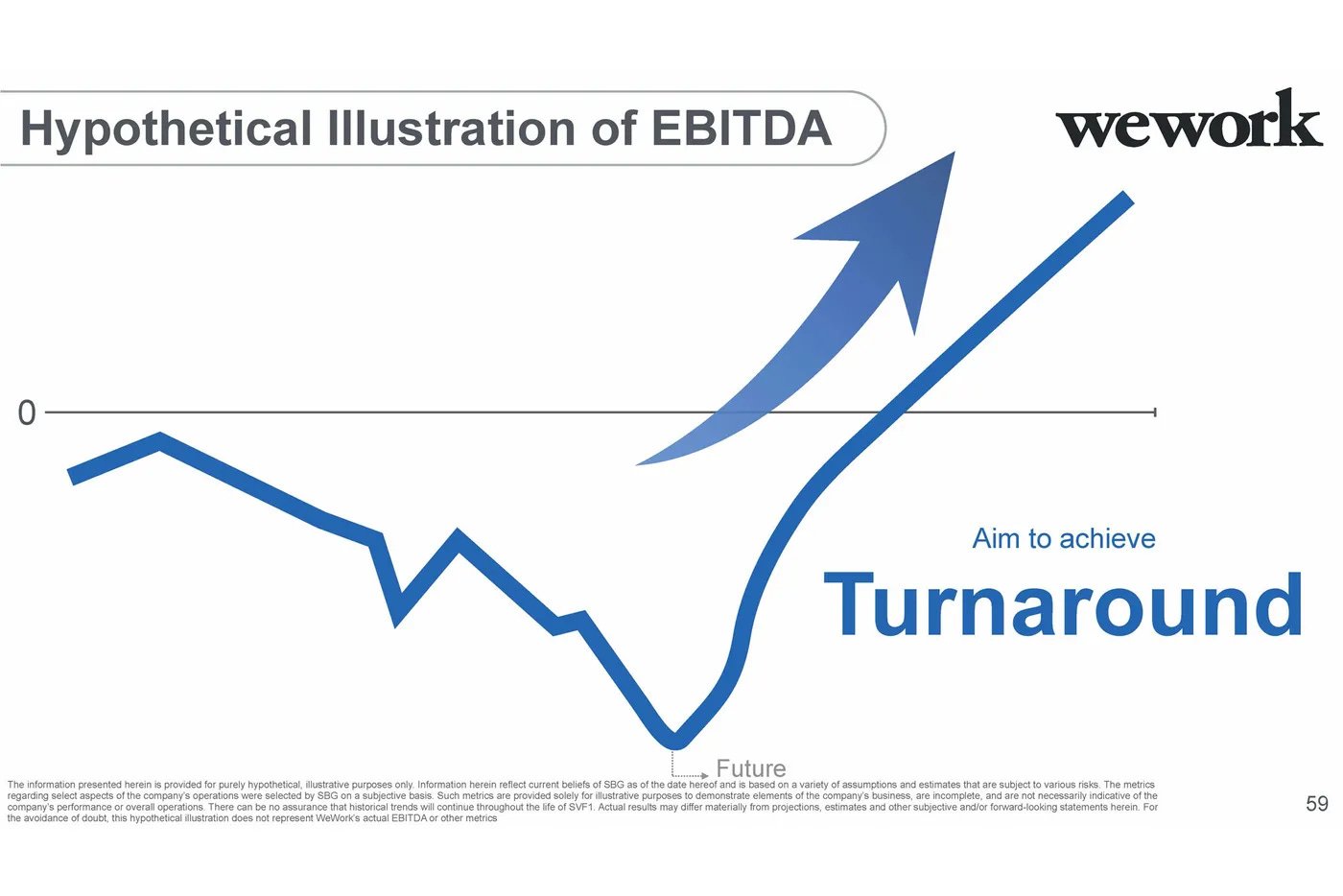
Not every business story ends in a straight line up. This startup turnaround case study follows a small B2B software company that came dangerously close to shutting down before making a set of specific, deliberate changes that brought it back to profitability within about eighteen months.
1. The Crisis Point: Where Things Went Wrong
Quick answer: This startup turnaround case study begins at a point where the company had burned through most of its funding with a product too broad in scope, trying to serve multiple unrelated customer segments without excelling at any single one.
2. Recognizing the Core Problem Wasn’t Marketing
The founding team initially assumed weak sales meant a marketing or sales execution problem. Only after several months of unsuccessful fixes did they recognize the deeper issue was product focus, not go-to-market execution.
3. The Difficult Decision to Narrow the Product
- Cutting two of the four target customer segments entirely, despite existing paying customers in those segments
- Rebuilding core features specifically around the single strongest-performing segment’s needs
- Accepting short-term revenue loss for long-term focus and clarity
4. Rebuilding Team Structure Around the New Focus
Quick answer: A significant part of this startup turnaround case study involved restructuring the team itself, reducing headcount in areas no longer aligned with the narrowed focus, while retaining and empowering the team members closest to the strongest customer segment.
5. Renegotiating With Existing Investors
Rather than hiding the struggle, the founders had a direct, transparent conversation with investors about the pivot, which, while uncomfortable, ultimately preserved trust and secured a small bridge investment to fund the transition period.
6. The First Signs of Recovery
Within roughly six months of the narrowed focus, customer retention in the core segment improved noticeably, and sales cycles shortened significantly since the product now clearly solved one specific problem well.
7. Reaching Sustainable Profitability
By month eighteen, the company reached consistent monthly profitability for the first time in its history, driven by a smaller but far more satisfied and retained customer base than the earlier broader approach had produced.
8. What This Turnaround Reveals About Startup Survival
- Trying to serve everyone often means serving no one particularly well
- Transparent investor communication during a crisis tends to preserve relationships better than avoidance
- Team restructuring around genuine focus, while painful, often accelerates recovery more than gradual, indecisive changes
[link to related guide about why startups fail and how to avoid it here]
FAQ
Q: What was the main cause of this startup’s near-failure? An overly broad product trying to serve multiple unrelated customer segments, resulting in a product that didn’t excel for any single one.
Q: How long did the turnaround take from crisis to profitability? Roughly eighteen months from recognizing the core problem to reaching consistent monthly profitability.
Q: Did the company need additional funding to execute this turnaround? Yes, a small bridge investment from existing investors helped fund the transition period during the narrowing and restructuring process.
Q: Is narrowing focus always the right turnaround strategy for struggling startups? Not universally, but an overly broad, unfocused product serving too many segments is a common underlying issue behind many startup struggles.
Q: What role did transparency with investors play in this turnaround? A significant one, honest communication about the struggle and proposed pivot helped preserve investor trust and secured continued support during a difficult period.
Conclusion
This startup turnaround case study shows that recovery from a genuine crisis is possible, but it usually requires facing an uncomfortable truth rather than just working harder at the existing approach. Narrowing focus, being transparent with stakeholders, and restructuring around what’s actually working turned this company’s trajectory around within eighteen months, proof that a near-failure doesn’t have to be the end of the story.