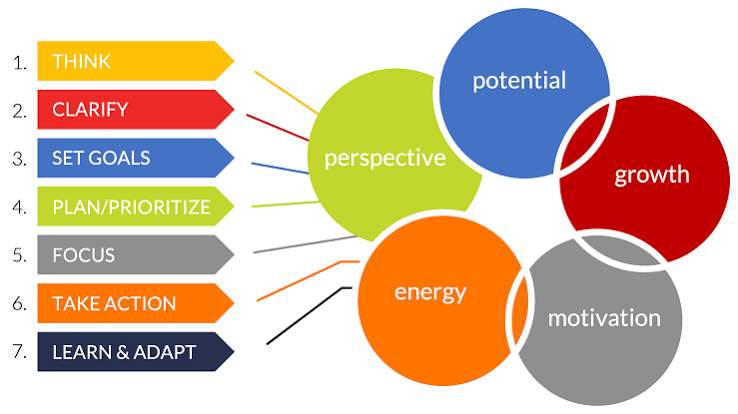
Ask any new manager what surprised them most, and a lot of them say the same thing: nobody warned them how much of the day disappears into things that feel urgent but aren’t actually important. A solid time management framework fixes that, but only if you actually use one consistently.
1. The Eisenhower Matrix, Still Relevant After Decades
Quick answer: The Eisenhower Matrix, a classic time management framework, sorts tasks into four quadrants — urgent/important, important/not urgent, urgent/not important, neither — helping managers spend more time on strategic work instead of constant reactive firefighting.
2. Time Blocking for Deep Work
Managers who protect specific calendar blocks for focused work, not just meetings, consistently report getting through strategic tasks that otherwise get pushed indefinitely.
3. The 2-Minute Rule for Small Tasks
- If something takes under two minutes, do it immediately instead of adding it to a list
- Prevents small tasks from piling into an overwhelming backlog
- Frees mental space for genuinely complex work
4. Weekly Planning Over Daily-Only Planning
Managers who plan at a weekly level, then adjust daily, tend to make better prioritization decisions than those planning only day by day, which often just reacts to whatever feels loudest that morning.
5. Delegation as a Time Management Tool, Not Just a People Tool
Quick answer: Effective delegation is arguably the single most powerful time management framework component for managers, since it directly removes tasks from your plate rather than just reorganizing how you handle them.
6. The Pomodoro Technique for Focused Sprints
Working in focused 25-minute sprints with short breaks helps managers push through tasks they’ve been avoiding, particularly writing-heavy or analytical work that’s easy to postpone.
7. Batching Similar Tasks Together
Constantly switching between emails, meetings, and deep work carries a real cognitive cost. Batching similar tasks — all emails at set times, all one-on-ones back to back — reduces this switching cost significantly.
8. Building in Buffer Time Deliberately
Quick answer: A commonly overlooked part of any time management framework is deliberately scheduling buffer time between meetings, which absorbs the inevitable overruns without derailing the entire day’s plan.
Choosing the Right Framework for Your Role
- If your day is meeting-heavy, prioritize time blocking and buffer time first
- If you struggle with delegation specifically, start there before adopting a broader system
- Combine frameworks rather than picking just one — most experienced managers blend two or three
[link to related guide about delegation strategies for new managers here]
FAQ
Q: Which time management framework works best for busy managers? There’s no single best one — time blocking combined with weekly planning tends to work well for most managerial roles.
Q: How long does it take to see results from a new time management system? Most people notice a difference within two to three weeks of consistent practice.
Q: Is the Pomodoro Technique suitable for meeting-heavy roles? It works better for individual focused tasks; meeting-heavy days benefit more from time blocking and buffer scheduling.
Q: Can time management frameworks help with team productivity too? Yes, particularly when managers model these habits and set clear expectations around meeting-free focus blocks for the team.
Q: What’s the biggest mistake managers make with time management? Treating every task as equally urgent, which leads to reactive firefighting instead of genuine prioritization.
Conclusion
No single time management framework magically fixes an overloaded schedule, but combining a few — the Eisenhower Matrix for prioritization, time blocking for focus, deliberate buffers for realism — genuinely changes how much strategic work gets done in a week. Start with just one this week rather than overhauling everything at once.