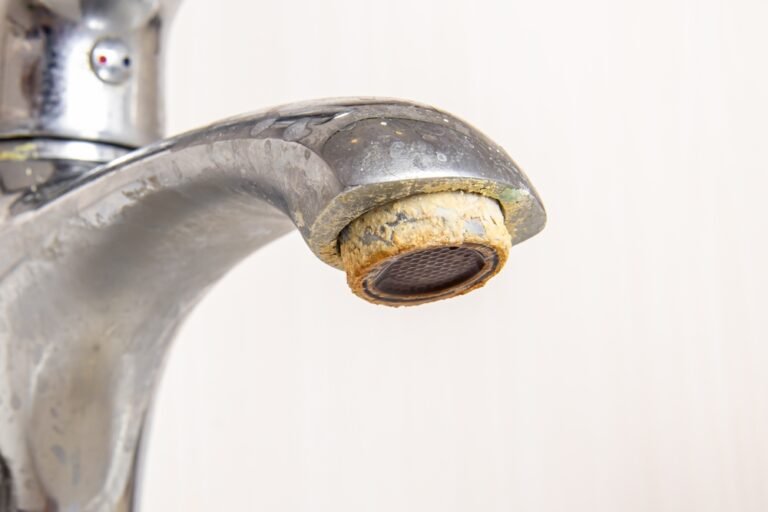
Most people don’t spend much time thinking about the water coming through their taps. It becomes part of the daily routine: filling a kettle before breakfast, washing clothes after work, or taking a shower at the end of a long day. But when water starts leaving stains on fixtures, affecting the taste of drinking water, or creating buildup inside appliances, it becomes harder to ignore.
The challenge is that water problems aren’t always the same. One home may struggle with hard water, while another has sediment, an unpleasant odor, or concerns about a private well. The solution that works beautifully for one household might be unnecessary for another. That’s why choosing a water treatment system should begin with understanding your water, your home, and what you actually want to improve.
Start by Understanding Your Household’s Water
Before comparing equipment, take a moment to look at the symptoms you’re experiencing. Are there white mineral marks around the faucets? Does the water smell strongly of chlorine? Do you notice particles in a glass after plumbing work? These observations can help identify possible causes, although they aren’t a substitute for testing.
The source matters, too. Municipal water is treated and monitored, but household plumbing can sometimes affect the water before it reaches the tap. Private wells have different considerations because groundwater conditions can change with weather, nearby land use, and the condition of the well itself.
Testing helps turn a vague concern into something more specific. Depending on your situation, you may want to check hardness, pH, iron, sediment, bacteria, or particular contaminants relevant to your area. Not every home needs every test, so choose a testing plan based on your water source and the problems you’ve noticed.
Understanding water quality is about more than whether water looks clear or tastes pleasant. Some substances are invisible, while harmless air bubbles can make otherwise acceptable water appear cloudy. Reliable testing gives you a better starting point for deciding whether treatment is necessary and which technology may be appropriate.
Why Some Homeowners Prefer Non-Electric Systems
Technology can make water treatment more convenient, but it can also add complexity. Electronic controls, sensors, and powered valves may provide useful features, yet some homeowners prefer equipment with fewer electrical components.
A non-electric water treatment system may operate through mechanical controls, hydraulic pressure, or other designs that don’t rely on a conventional electrical power supply for their primary function. Depending on the model, this can be attractive for homes where access to power is inconvenient or where owners simply prefer a straightforward setup.
However, non-electric doesn’t automatically mean maintenance-free. Valves, seals, filter media, and other components can still wear out or require periodic servicing. A system may also need adequate water pressure to operate correctly, and some designs use water during cleaning or regeneration.
Before buying one, ask how the system detects when service or regeneration is needed, how it handles changes in household demand, and what happens if water pressure drops. Find out whether replacement parts are readily available and whether a local technician can service the equipment.
The best choice comes down to practical needs rather than a simple electric-versus-non-electric comparison. A well-designed system with clear maintenance requirements is usually more valuable than a product chosen only because it has fewer controls.
Why One Filter Doesn’t Solve Every Problem
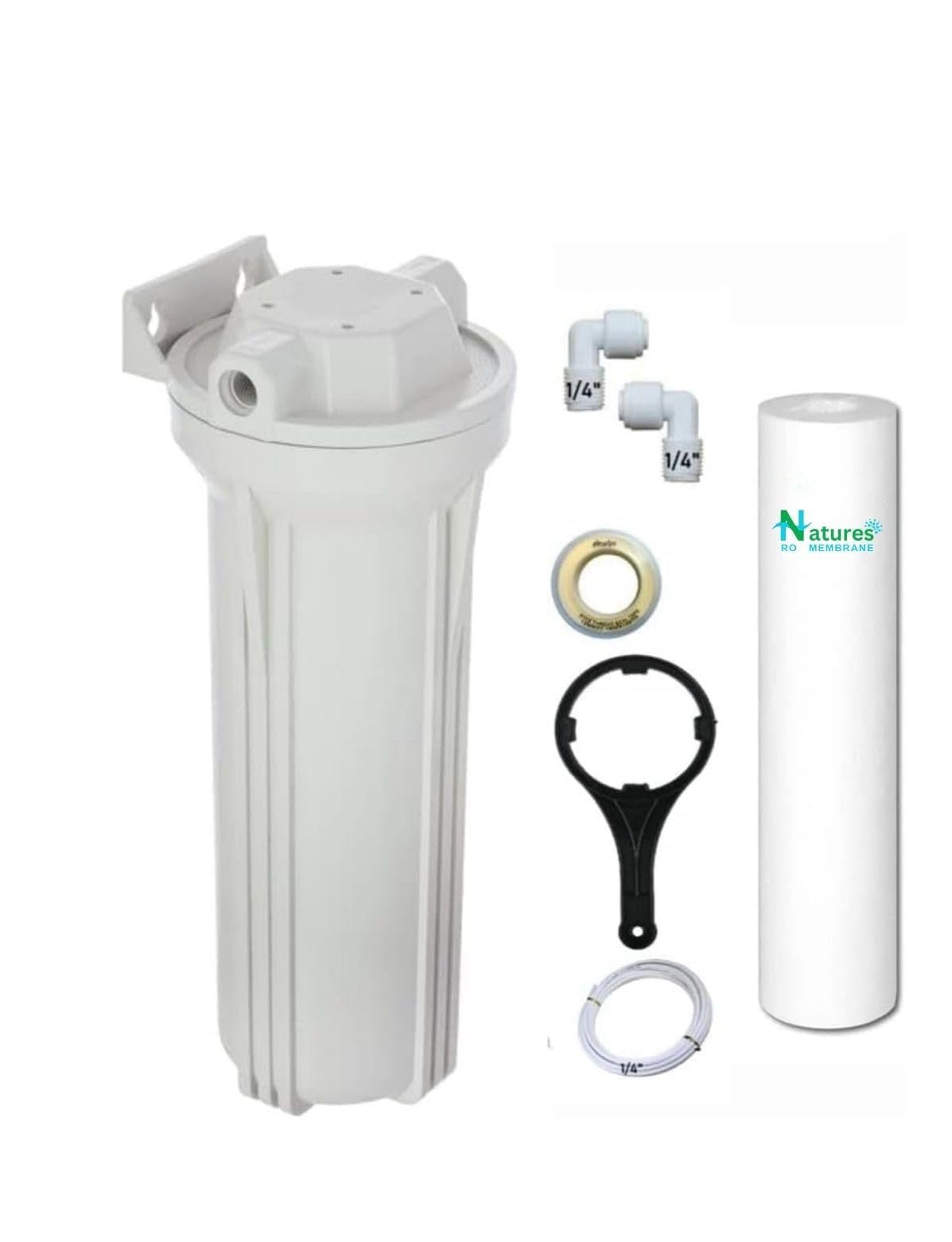
Water treatment products often look similar from the outside, but their internal processes can be very different. A sediment filter captures particles, activated carbon can reduce certain tastes and odors, and a water softener primarily addresses hardness minerals such as calcium and magnesium.
This distinction matters because treating the wrong problem can waste money. A standard sediment filter, for instance, isn’t designed to remove every dissolved substance. Likewise, a water softener shouldn’t be considered a universal solution for bacteria or chemical contamination.
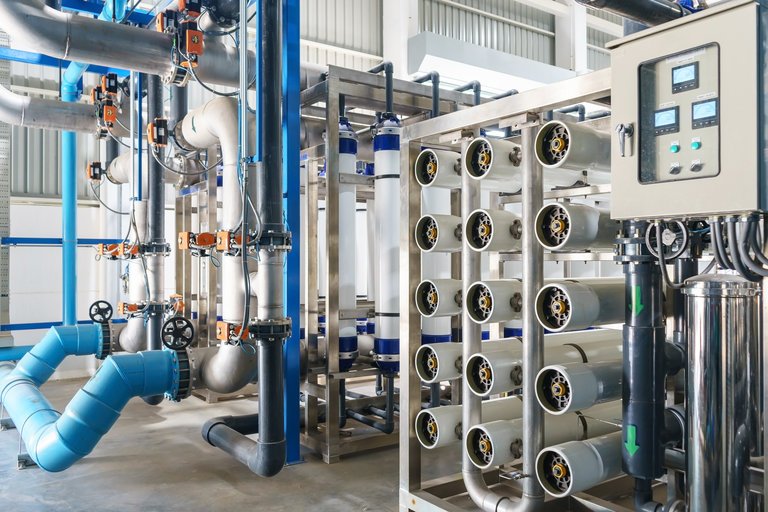
For households with several concerns, customized filtration media may offer a way to tailor treatment to the incoming water. Different media can be selected for particular applications, depending on the system design and the contaminants that need to be addressed. In some installations, multiple treatment stages work together to handle different parts of the problem.
Customization should always have a clear purpose. Ask the provider which substances each media type is intended to reduce and what evidence supports its performance. It’s also worth checking whether the system has independent certifications relevant to your specific treatment needs.
A trustworthy specialist should explain why a particular media combination is recommended, rather than simply offering the most elaborate package available. If testing shows that your only concern is moderate hardness, you may not need several additional filtration stages.
Consider Your Home’s Water Use
The size of your household affects the kind of treatment equipment you’ll need. A small household with one bathroom has different water demands from a busy family home where showers, washing machines, and kitchen taps may run at the same time.
A system that is too small can struggle during periods of heavy use. Water flow may fall, treatment performance can suffer, or the equipment may regenerate more frequently than expected. Oversized equipment, on the other hand, can cost more than necessary and may not operate as efficiently under certain conditions.
Think about daily routines when comparing systems. How many people live in the home? Are there multiple bathrooms? Is water used for gardening, filling a pool, or running other high-demand equipment? These details help a professional estimate the required capacity and flow rate.
Installation space is another practical consideration. Some systems need room for a storage tank, filter housing, drainage connections, or replacement media. Measuring the available area before purchasing can prevent an awkward surprise on installation day.
Don’t Forget Running Costs and Maintenance
The initial purchase price is only part of the expense. Filters need replacing, some media require periodic renewal, and certain systems use electricity, salt, or water during their operating cycles. Maintenance costs vary considerably depending on the technology and the quality of the incoming water.
Ask for an estimate of routine operating expenses before committing. Find out how often cartridges or media need attention, whether servicing requires a specialist, and how easy it is to obtain replacement components.
It’s also sensible to review the warranty and understand what it covers. Installation quality can affect performance, so check whether the provider offers professional setup and clear instructions for ongoing care.
A simple maintenance record can be surprisingly useful. Write down installation dates, filter changes, service visits, and any follow-up test results. This makes it easier to spot recurring problems and helps ensure that the system continues working as intended.
Make the Decision With Confidence
Choosing water treatment doesn’t have to become a complicated research project. Start with the concern that prompted you to look for a solution, confirm the cause where necessary, and compare systems designed to address that specific issue.
If you’re dealing with hard water, a suitable softener may help reduce scale. If the concern is sediment, an appropriately rated filter could be more relevant. If testing identifies a particular contaminant, select a treatment system with documented performance for that substance.
Don’t feel pressured to buy every feature a salesperson recommends. Ask questions, compare maintenance requirements, and make sure the system is appropriate for your water source and household demand.
Ultimately, good water treatment is about finding a sensible balance between performance, convenience, and cost. When you understand what’s entering your home and choose equipment accordingly, you’re far more likely to invest in a solution that delivers lasting value. And that’s what matters most: water treatment that quietly does its job while you get on with everyday life.