
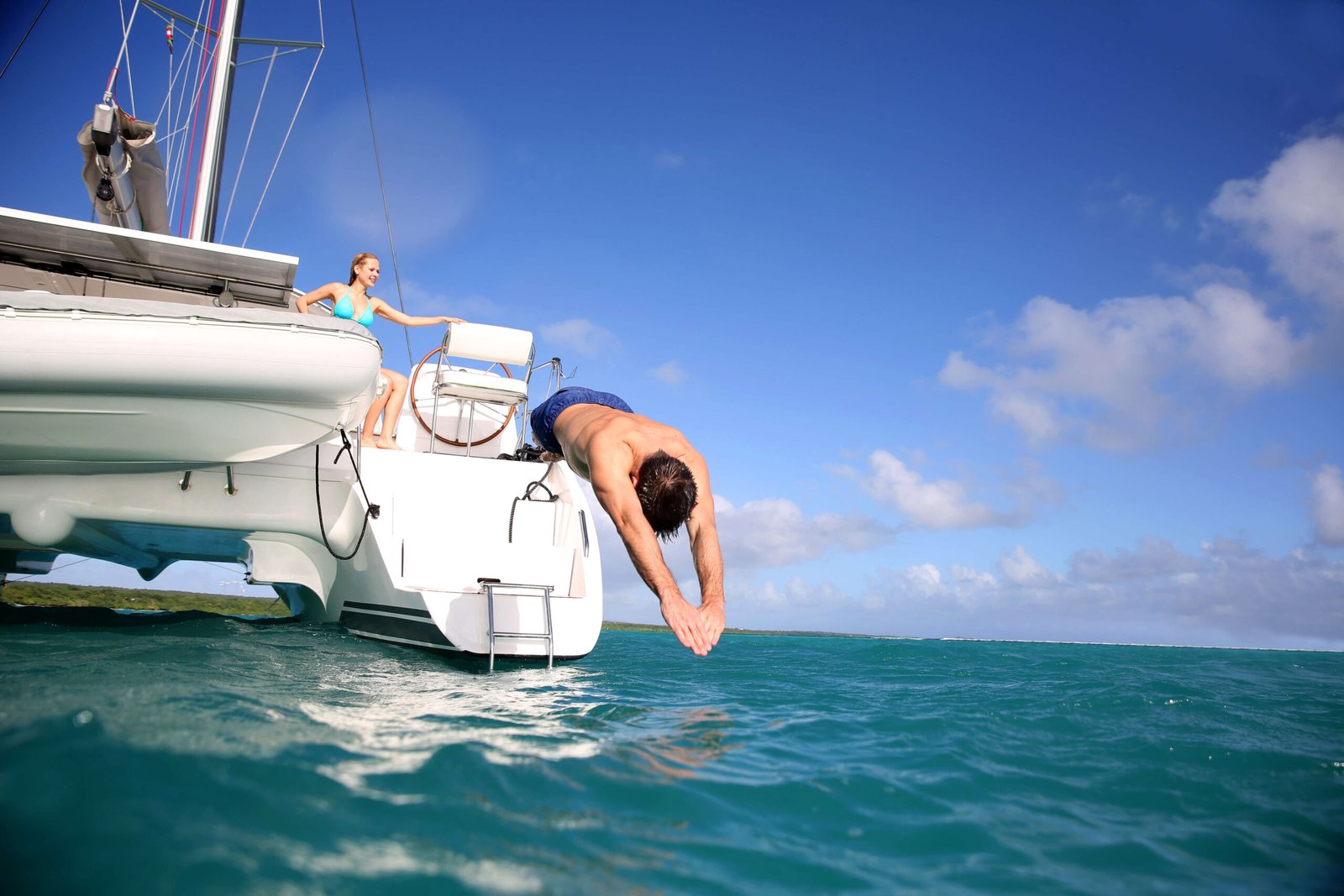
There’s something about getting away to the water that makes ordinary time feel a little different. You leave behind traffic, notifications and the usual list of things that need doing. Then, after a while, you notice the small stuff again — the sound of the shoreline, the breeze moving through the trees, the way the light changes in the afternoon.
That’s what makes a waterfront getaway appealing for so many people. It can be an active adventure, a quiet weekend or even the setting for a meaningful celebration. You don’t necessarily need a packed itinerary. A comfortable place to stay and a beautiful landscape can do plenty of the work.
Choosing the Right Waterfront Experience
Before planning your trip, think about what you actually want from the experience.
If your idea of fun involves getting out on the water, check what kinds of watercraft are available in the area. Depending on the destination, you might find pontoon boats, kayaks, canoes or other options for exploring the shoreline.
Different boats suit different groups. Families may prefer something spacious and stable, while couples might enjoy a smaller craft that’s easy to handle.
If you’re renting, ask about safety equipment, operating requirements, fuel policies and time limits before making a reservation. Knowing the rules ahead of time makes the day much easier.
Why a Weekend Is Sometimes Enough
You don’t always need a week away to feel refreshed.
Short weekend stays can be surprisingly effective, particularly when the destination is close enough that most of your time is spent enjoying the location rather than driving there.
Leave Friday afternoon, settle in that evening and give yourself two full days without your normal routine. By Sunday, you may feel like you’ve been away much longer than you actually were.
The trick is not to overpack the schedule.
Pick one or two activities you genuinely want to do, then leave the rest open. If you discover a beautiful spot and decide to spend the afternoon there, you won’t have another reservation waiting to pull you away.
Make the Most of Your Accommodation
Where you stay matters, especially if you’re traveling with family or friends.
Look for accommodation that provides enough space for everyone to relax. A kitchen can be useful for preparing breakfast and snacks, while outdoor seating gives you another place to enjoy the surroundings.
Before booking, check the practical details. Find out about parking, sleeping arrangements, cooking facilities, internet access and nearby stores.
If the property is remote, bring essentials with you rather than assuming you’ll find everything nearby.
A little preparation can save a surprisingly large amount of stress.
Spend Time Outside Without a Strict Plan
Waterfront trips are often at their best when there’s room for spontaneity.
You might go fishing in the morning, take a walk after lunch and then decide to sit outside for the rest of the afternoon. Maybe someone spots a good swimming area or suggests taking a short paddle along the shoreline.
There’s no need to turn every moment into an activity.
Bring a book. Take photographs. Have a conversation that lasts longer than expected.
For people who spend most of their week indoors, simply being outside can be the activity.
Planning a Special Gathering
Waterfront properties can also provide an appealing setting for birthdays, anniversaries, family reunions and other celebrations.
Private event rentals may be worth considering when you want a gathering that feels more personal than a standard banquet hall. A scenic outdoor setting can provide atmosphere without requiring excessive decoration.
However, don’t choose a venue based solely on the view.
Check guest capacity, seating, restrooms, parking, food policies and weather arrangements. If your event will continue into the evening, ask about lighting and access after dark.
Practical details might not be the most exciting part of event planning, but guests remember when something is uncomfortable or inconvenient.
Keep Food Easy and Enjoyable
One of the pleasures of a waterfront getaway is eating without rushing.
If your accommodation has cooking facilities, prepare simple meals that everyone can enjoy. Breakfast can be as basic as eggs, toast and coffee. Lunch might be sandwiches and fresh fruit. Dinner could be grilled food shared outdoors.
Don’t make yourself responsible for a complicated menu if the purpose of the trip is to relax.
If you’re hosting an event, consider food that can be served easily and doesn’t require guests to sit formally for every course. Casual dining often works particularly well outdoors.
And leave room for dessert. That’s rarely a bad idea.
Be Prepared for Changing Weather
Waterfront weather can be unpredictable.
A warm, sunny morning can turn windy later in the day, so check the forecast before heading out. Bring layers, sunscreen, drinking water and a waterproof jacket.
If you’re using a boat, pay particular attention to wind and water conditions. Don’t assume calm water will stay calm all afternoon.
For events, always have a backup option. A covered area or indoor room can save the celebration if rain arrives unexpectedly.
Being prepared doesn’t make a trip less spontaneous. It simply means you’re ready when nature changes the plan.
Give Yourself Time to Unplug
One of the biggest benefits of a waterfront escape is the opportunity to disconnect.
At home, it’s easy to spend an evening scrolling through your phone without even realizing how much time has passed. Away from your normal environment, it’s easier to put the device down.
Try it for an hour.
Sit outside and watch the water. Talk to your travel companions. Listen to the sounds around you.
You may discover that you weren’t actually missing anything important.
Respect the Place You’re Visiting
Natural waterfront areas are shared spaces, and responsible visitors help keep them enjoyable.
Take rubbish with you, follow local regulations and don’t disturb wildlife. If you’re fishing, dispose of line and other equipment properly. If you’re boating, avoid restricted areas and keep a safe distance from other people and animals.
Noise matters, too. Not everyone visits the waterfront looking for a party.
A little consideration allows everyone to enjoy the same peaceful environment.
Leave Room for the Unexpected
The best part of a trip isn’t always what you planned.
Maybe the weather is perfect and you stay outside longer than expected. Maybe a simple dinner becomes a three-hour conversation. Perhaps you find a quiet stretch of shoreline that wasn’t mentioned in any travel guide.
Those moments can’t really be scheduled.
That’s why it’s worth leaving some space in your itinerary.
A good waterfront escape gives you enough structure to feel comfortable and enough freedom to follow the mood of the day.
Take the Memories Home
Eventually, every getaway ends. Bags are packed, the car is loaded and the familiar routine starts waiting again.
But the feeling of the trip can last longer.
You might remember an early morning on the water, laughter around the dinner table or the peaceful hour when nobody felt the need to check the time.
Those memories don’t require expensive plans.
Sometimes, a comfortable place, good company and a few days near the water are enough to make life feel a little lighter.
And perhaps that’s the real value of getting away — not escaping your everyday life forever, but stepping away from it long enough to appreciate it differently when you return.